
Get all your news in one place.
100's of premium titles.
One app.
Start reading
TechRadar
TechRadar
Cat Ellis

Beyond the 'dark showering' trend — these expert lighting tips will really help you get a better night's sleep

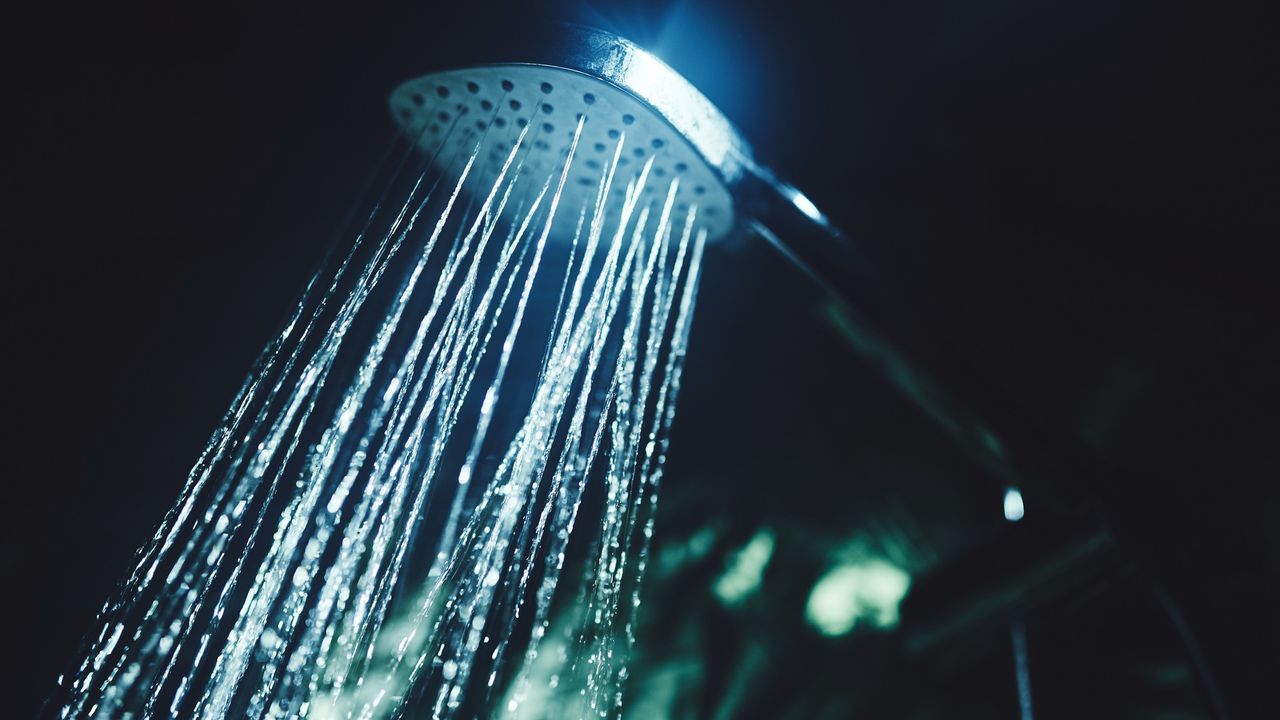
Shower head in a darkened room.

This year, one of the biggest sleep trends is ‘dark showering’ — turning down the lights while bathing in the evening to get your body and mind ready to rest. The idea isn’t brand new, but as the seasons change and nights get shorter in the northern hemisphere, it makes sense that people are trying to optimize their bedtimes.

As the Guardian explains, the idea is to block out distractions, calm your nervous system, and practice mindfulness before bed. According to sleep scientists, it can have real benefits, with warm water reducing your core body temperature and low light signaling that it’s time to get ready to sleep, causing the release of melatonin.

If you want to try dark showering (or bathing if you prefer the tub), smart lights are a good way to do it. You can schedule them to dim to help you get into a regular routine, and set the brightness so you’re still safe in the bathroom.

That’s not the only way lighting can help you get a better night’s rest, though. I asked an expert from Signify — the company behind Philips Hue and WiZ smart lights — for some recommendations to help you get more out of your smart lamps and bulbs in the evening, and again in the morning when it’s time to rise and shine.

If you're on a budget, the Beurer Wake Up Light WL50 is an affordable way to adjust the lighting to suit the time of day, and wake to a natural-looking sunrise (Image credit: Suzanne Baum)

“Light is one of the most important environmental signals influencing the body’s internal clock, also known as the circadian rhythm,” said Signify’s spokesperson. “This biological system helps regulate sleep–wake cycles and responds strongly to changes in light throughout the day.

“Exposure to brighter and cooler-toned light in the evening can delay the body’s natural transition toward sleep, while lower light levels and warmer tones are generally associated with more relaxing environments before bedtime.

“Because of this, we recommend reducing brightness and using warmer light settings during the evening hours. These lighting conditions resemble the natural decrease in daylight after sunset and can help create a calmer atmosphere that supports bedtime routines.

Smart sunsets

I’ve tested a lot of sleep tech over the years, and I’ve found wake-up lamps are particularly tricky to get right. Ideally, the light shouldn’t wake you the moment it comes on; instead, it should brighten very gradually, like dawn through the canvas when you’re camping.

In my experience, many of them simply can’t dim low enough to wake me gently. Worse still are the lights with ‘nature’ sounds that are looping snippets of audio — usually only a few seconds long - that sound horribly compressed. It’s not a great way to start the day.

If you're on a budget, the Beurer Wake Up Light WL50 is a good option. It offers a broad spectrum of light temperatures, meaning it can wake you with warm light that gradually brightens and then cools, and it dims lower than most other lights in its price bracket (under $100 / £70 / AU$150).

I recommend skipping its wake-up noises, but it doubles as a radio and Bluetooth speaker, so you can connect it to your phone and wake up to your chosen music as a backup in case the light alone isn't enough to rouse you.

The Philips Hue Wall Washer dims extremely low, and the 'Go to sleep' automation makes the color temperature warmer as it grows darker (Image credit: Future)

The lamp that’s working for me right now is the Philips Hue Play Wall Washer, which casts indirect light by shining onto a wall rather than directly into the room, and offers extremely low dimming. If you also want a light that can double as a reading lamp, the Philips Hue Twilight could be the one for you. It’s not quite as versatile as the Wall Washer (it can’t be connected to a Philips Hue Play HDMI Sync Box and used as part of an entertainment system, for example), but it provides you with focused white light that lets you enjoy a few pages of your favorite book before turning in for the night.

The Philips Hue app provides sunrise and sunset automations that can be triggered at a specific time or upon a particular event. I wake up at the same time most days, so the sunrise is on a timer, but bedtimes can vary, so the ‘Go to sleep’ automation is triggered by a smart switch attached to my bedside table.

“By allowing Philips Hue users to schedule gradual light transitions in the evening and morning, the system helps create consistent daily lighting routines that align more closely with natural light patterns,” explains Signify’s spokesperson.

If you want to get creative with your lighting, Google Home and Alexa+ let you describe the type of lighting you want using natural language — so you could ask for soft evening light, or a dim glow for your night time shower routine, whichever smart lights you own.


Sign up to read this article
Read news from 100's of titles, curated specifically for you.
Already a member? Sign in here
Related Stories
Top stories on inkl right now
One subscription that gives you access to news from hundreds of sites
Already a member? Sign in here
Our Picks
Fourteen days free
Download the app
One app. One membership.
100+ trusted global sources.