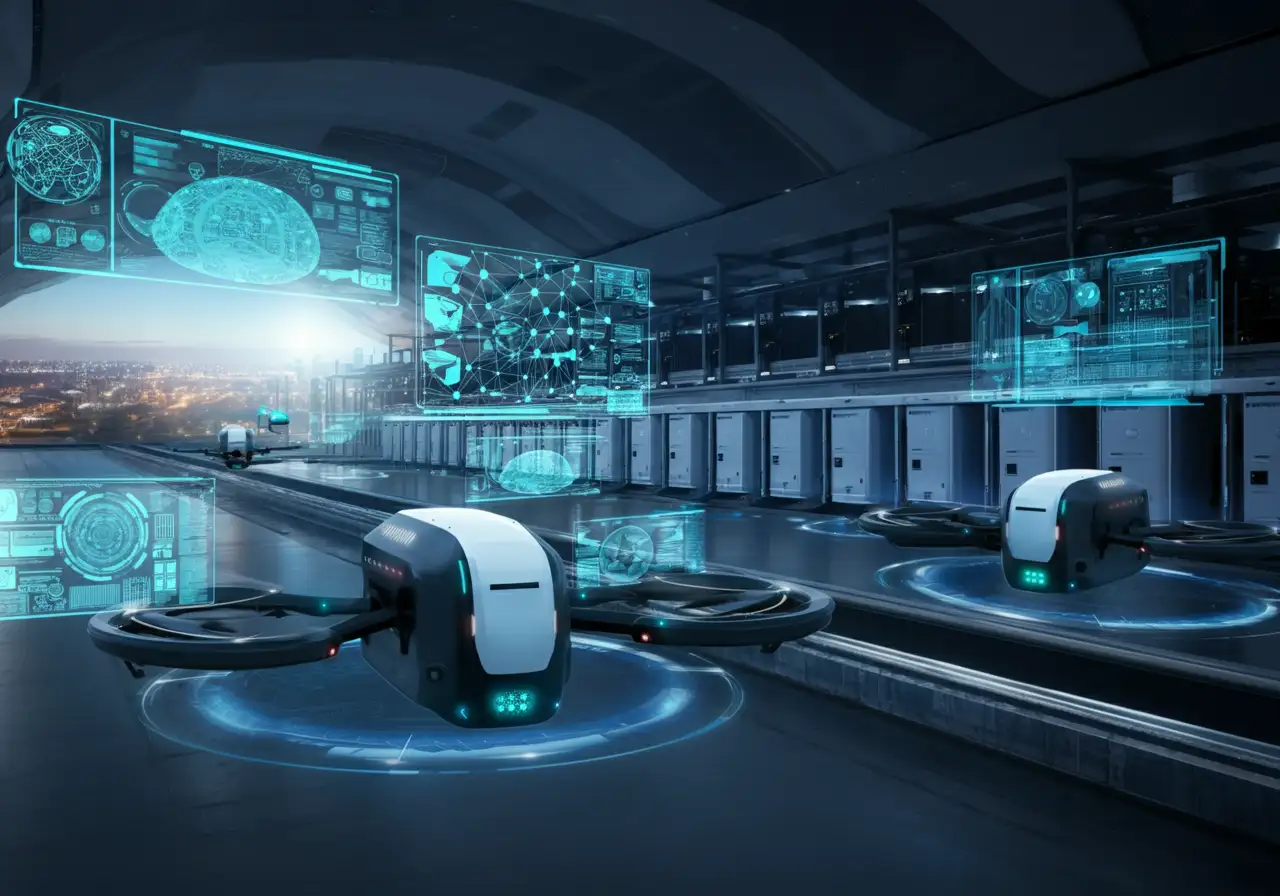
Imagine a shipment getting stuck at a congested port. Traditionally, the system would send an alert to a logistics manager, who would then coordinate with transporters, warehouses, and customers to manage the disruption. But what if the system itself could identify an alternative route, reassign capacity, notify stakeholders, and execute those changes in real time?
That is the promise of agentic AI (artificial intelligence), a technology shift that logistics industry executives say is beginning to move supply chains from passive monitoring systems to autonomous execution engines.