
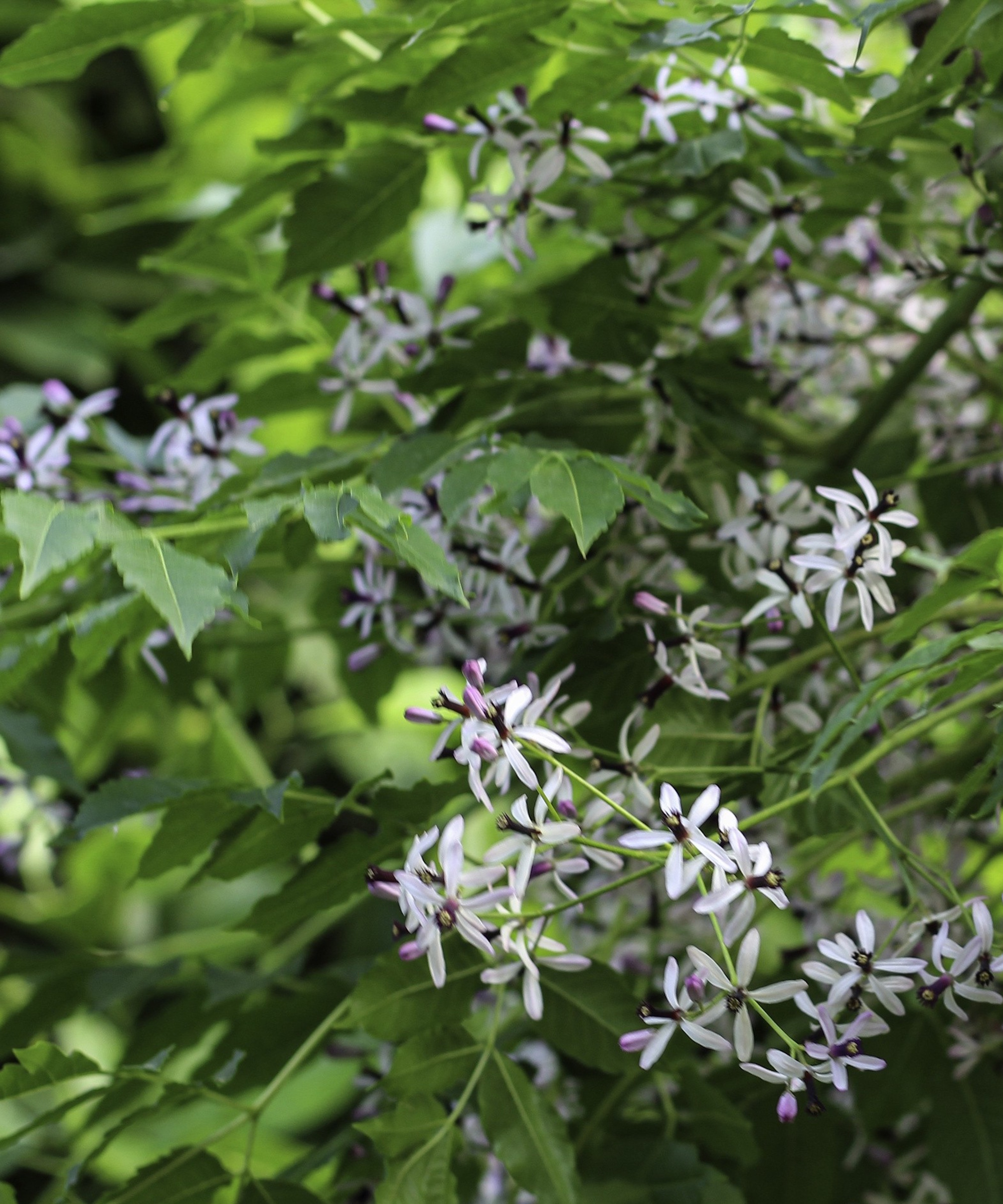
Trees add beauty, shade and structure to any garden, but some of the most common species are also hazardous. While they might look harmless, many trees contain toxic compounds that pose a risk to humans, pets and livestock.
From the classic English yew, with its dark evergreen needles, to the deceptively beautiful black locust, with its pendulous but perilous spring blooms, trees can sometimes be more dangerous than they might at first appear. This is not to say we should all rush to chop down poisonous trees growing in the neighborhood, but it is important to be able to identify toxic trees to know the right approach when handling and pruning them in the yard.














