New visa paperwork, consular waits stretching past two months, a fresh round of tariffs and an ambassador's revoked visa are reshaping travel along one of the busiest routes connecting South America to the United States. Tourists, binational families and business travelers on both sides are navigating a far more bureaucratic landscape than they were two years ago — and the picture has kept shifting even in the past two weeks.
Brazil Brought Back the Visa for American Visitors
For starters, since April 10, 2025, anyone traveling on a U.S., Canadian or Australian passport has needed an electronic visa before setting foot in Brazil for tourism or business, ending a visa-free arrangement that had run since 2019 under then-president Jair Bolsonaro. Brasília framed the change as restoring reciprocity, since Brazilians have long needed visas to enter the U.S. The application runs entirely online through the official VFS eVisa portal — no consulate visit required — and costs $80.90. For Americans, the visa is unusually generous by regional standards: it's valid for a full decade with multiple entries, though any single stay is capped at 90 days within a rolling 180-day window.
How long approval actually takes depends on who you ask. Some trackers and the visa portal itself point to five to ten business days on average; the platform's own guidance, however, warns that consular review can stretch to 10 business days and recommends applying as much as two months before travel. Brazil's tourism ministry unveiled a modernization push in November 2025 aiming to cut approval times to under 48 hours for dozens of nationalities, but that remains a target rather than a guarantee. What is firm: airlines can and do deny boarding to travelers without a confirmed eVisa code on file, so leaving the application for the last minute carries real risk of missing a flight.
Brazilians Face a Longer Wait for the U.S. Visa
The road runs both ways, and it isn't smoother in the other direction. Brazil has never qualified for the U.S. Visa Waiver Program, so its citizens still can't use ESTA and must obtain a B1/B2 tourist visa, which carries a non-refundable $185 fee. A newer wrinkle: a $250 "Visa Integrity Fee" was authorized by Congress in mid-2025 for all nonimmigrant visas at issuance, though as of this writing it had not yet been added to the official fee schedule or actively collected at most consulates.
Wait times vary sharply by consulate. Using the State Department's own published wait-time data as reflected on the tracking site VisaGrader, interview appointments as of July 21, 2026 ran roughly two and a half months in Brasília, two months in São Paulo, about a month in Rio de Janeiro and Porto Alegre, and under two weeks in Recife. Compounding matters, a new "home country" requirement in effect since January 2026 forces most applicants to interview in their country of citizenship, closing off a workaround some Brazilians had used — booking faster slots at U.S. consulates in Buenos Aires, Montevideo or Santiago.
Behind the New Hurdles, a Diplomatic Dispute That Won't Fully Close
None of this migratory friction is happening in a vacuum. It traces back to the criminal case against former president Jair Bolsonaro, now serving a 27-year, three-month sentence after Brazil's Supreme Court convicted him of plotting to overturn his 2022 election loss to Luiz Inácio Lula da Silva. Washington responded to the prosecution in July 2025 with a 50% tariff on Brazilian goods, sanctions against Supreme Court Justice Alexandre de Moraes under the Magnitsky Act, and revoked U.S. visas for Moraes and other Brazilian officials tied to the case.
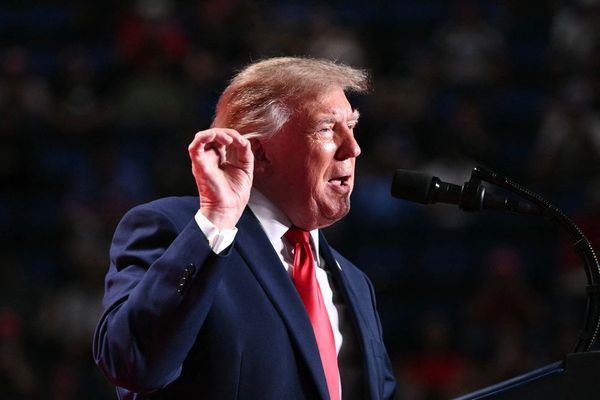
Lula spent much of the following months working to cool the temperature, including an October 2025 sideline meeting with Trump at the ASEAN summit and a 40-minute December phone call both sides called productive. Trump wrote afterward that "much good will come out of this newly formed partnership," and Washington followed through by lifting extra tariffs on Brazilian coffee, beef, cocoa and fruit. A May 2026 Oval Office meeting produced more of the same warmer language from both leaders.
That thaw didn't last. In June 2026, the U.S. Trade Representative proposed a fresh 25% tariff on most Brazilian goods, tied to a separate, year-long investigation into Brazilian digital-trade rules, intellectual-property enforcement, ethanol market access and Amazon deforestation. USTR made it final on July 20, 2026, effective two days later — a tariff that, unlike the earlier 50% levy, is explicitly not linked to the Bolsonaro case, though it lands amid the same broader rift. Aircraft and parts (a direct benefit to planemaker Embraer), along with beef, orange juice, coffee and energy products, remain exempted. Separately, a 10%–12.5% Section 301 tariff tied to a forced-labor investigation took over on July 24, 2026 from an expired 10% baseline tariff, while steel and aluminum continue to face duties as high as 50% under a separate authority. Lula's office called the new tariffs unjustified and says it's weighing a challenge at the World Trade Organization; earlier this month he said he'd send Brazilian government data showing an almost 37% drop in Amazon deforestation to rebut Washington's justification.
Then, on August 4, 2026, the dispute jumped from trade into diplomacy directly: the State Department revoked the visa of Brazil's ambassador in Washington, Maria Luiza Ribeiro Viotti. A senior State Department official said the move was reciprocal, tied to Brazil's delay in formally approving Trump's pick for U.S. ambassador to Brazil and to Brazil's recent refusal to grant visas to two American officials. The official added that "it can't always be one-sided," and said the ambassador's visa would be restored if the underlying dispute is resolved. Brazil's government called the move unjustified.
Why It Matters to South Florida's Brazilian Community
Florida had its biggest tourism year on record in 2025, with 143.3 million total visitors. Canada remained the single largest source of those visitors, sending 3.2 million people to the state. Brazil came in as Florida's second-largest source market overall — and its top market among overseas (non-Canadian) travelers — with 1.3 million visitors, up more than 10% from the year before. The United Kingdom and Colombia followed among overseas markets, while Argentina posted the sharpest percentage growth of any market, up nearly 18%. Miami and Orlando draw the bulk of that Brazilian traffic, much of it from repeat visitors who fly down multiple times a year. Any added friction on either side of the border — visa paperwork, tariffs, diplomatic tension — lands directly on an economic relationship that underwrites a meaningful share of South Florida's tourism industry.
What Travelers Should Do Right Now
Specialists' advice hasn't changed even as the underlying situation has grown messier: don't wait until the last minute. Both the Brazilian eVisa and the U.S. consular interview can take weeks, and airlines are already turning away travelers who show up without the right paperwork. Brazilians with urgent travel plans should check whether they qualify for an emergency appointment on medical, work or academic grounds. On the connectivity side, Brazilian carrier GOL — which emerged from U.S. Chapter 11 bankruptcy protection in June 2025 — added a new option in July 2026 with its first-ever nonstop flight between Rio de Janeiro and New York, currently operating three times a week with a leased widebody aircraft while the carrier awaits delivery of its own long-haul jets. Until Brasília and Washington resolve their broader standoff, the safest approach for occasional and frequent travelers alike is the same: check official consular advisories directly, rather than relying on how the trip went last time.