Get all your news in one place.
100's of premium titles.
One app.
Start reading
The Times of India
The Times of India
World
TOI World Desk

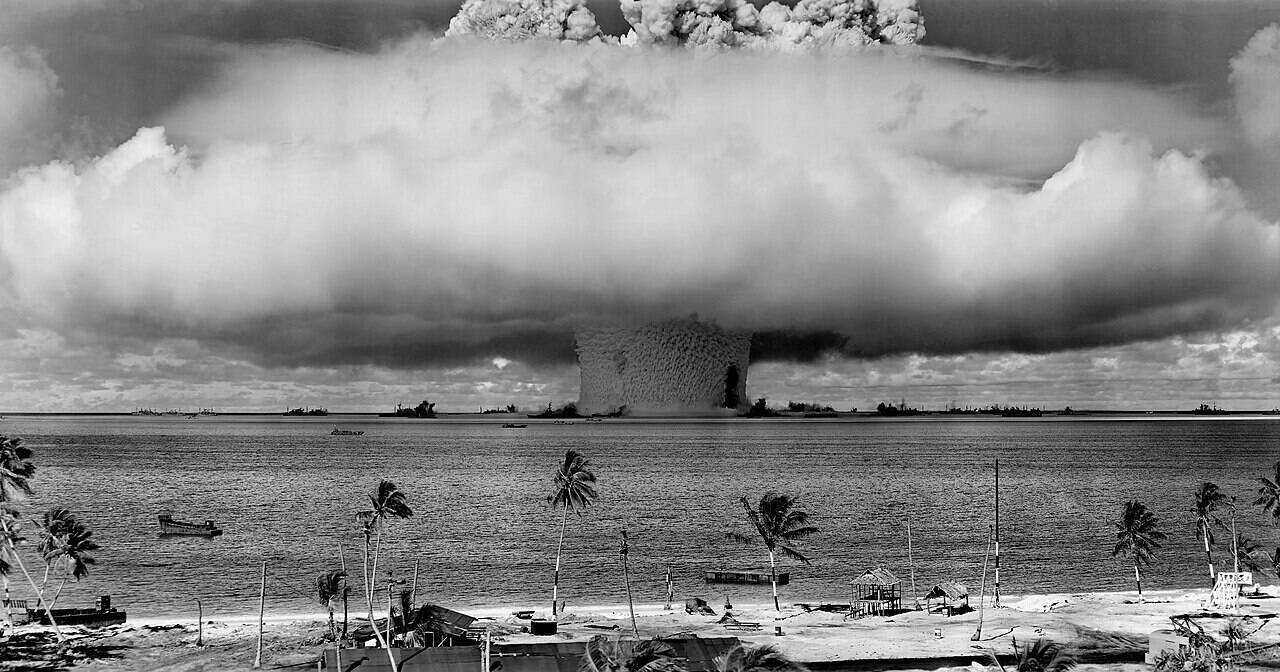
Between 1946 and 1958, the United States detonated 23 nuclear bombs at Bikini Atoll in the Pacific, destroying islands and contaminating the lagoon; decades later, researchers found flourishing coral communities whose resilience may offer insights for cancer research

When we think about the long-term aftermath of a devastating nuclear detonation, our minds often drift toward a scene of desolation. We picture charred, lifeless landscapes covered in cracked asphalt, toxic water basins that no living creature can touch, and ruined ecosystems where nothing will grow for thousands of years. For generations, traditional historical narratives and science fiction movies have taught us to view radioactive test sites as permanent scars on the face of our planet. A common belief is that the radiation left behind by atomic weaponry can make the surrounding environment hostile to complex life.

Get breaking news anytime, anywhere. Download the TOI app now!

Sign up to read this article
Read news from 100's of titles, curated specifically for you.
Already a member? Sign in here
Related Stories
Top stories on inkl right now
One subscription that gives you access to news from hundreds of sites
Already a member? Sign in here
Our Picks
Fourteen days free
Download the app
One app. One membership.
100+ trusted global sources.