Today, Bethesda is one of the biggest game studios in the world, responsible for some of the most notable franchises in the industry, but things were much different back in the '90s. Then, Bethesda was a much smaller studio not far off from today's indie outfits, but unlike modern indie devs, they didn't have the benefit of digital distribution. No, the folks who made The Elder Scrolls: Arena had to go straight from making the game to packaging and shipping the thing themselves.
"We had a great team of hardworking developers who truly put in their best effort," according to Vijay Lakshman, lead designer of that first Elder Scrolls title. As he explained in an interview for the January 2014 issue of GamesTM, "No one wore only one hat, and we were all familiar with what everyone did."

That extended to the process of actually shipping the RPG to stores. "We even spent time shrink-wrapping the games ourselves, as Bethesda was the publisher and developer," Lakshman explained. "We were in the loading dock and we learned how to assemble boxes, inserts and use the heat gun. Talk about seeing a product through from concept to box wrap! We did it all."
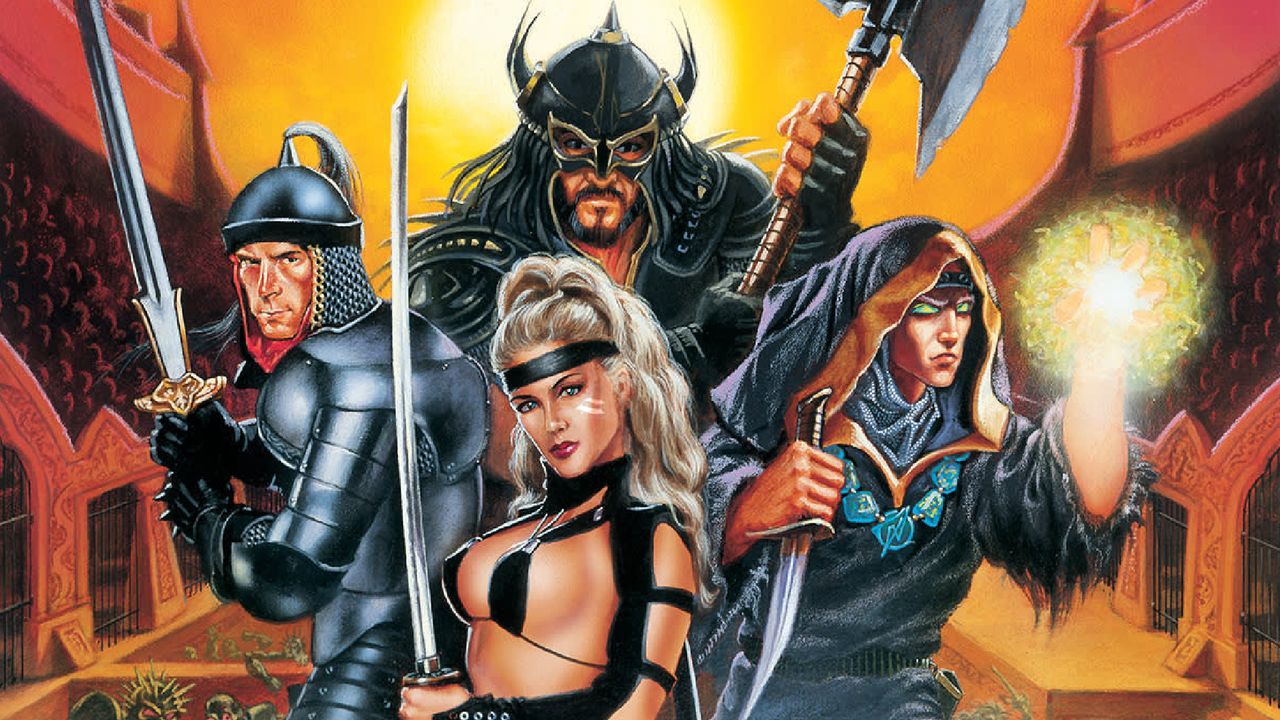
Famously, The Elder Scrolls: Arena was not meant to be a traditional RPG, but rather a combat-focused game where you would lead a team of gladiators to fame and fortune. That plan changed mid-development, and it seems that change might've been a factor in dramatically limiting the game's initial sales.
"At the end of development, we missed our Christmas deadline, which is really serious for a small developer/publisher like Bethesda Softworks," Arena writer and designer Ted Peterson said in a 2001 interview. "We released in the doldrums of March, which is disastrous. That, coupled with the fact that the distributors discovered we had essentially not made the arena combat game we said we were making, meant we initially shipped something like 3,000 units of the game."

Well, hey, I guess that meant lighter work for the devs shipping out those initial copies, but it doesn't seem that the studio took it so lightly. While studios in the '90s didn't hold the same inflated expectations for game sales as modern publishers, 3,000 units was still bad. "We were sure we had screwed the company and we'd go out of business," Peterson said.
Yet once players started to get their hands on Arena, things started to change. "Month by month, though, people kept buying it, hearing about it word of mouth, and after a while, it turned out we had a minor 'cult' hit," Peterson explained. Ultimately, sales estimates for Arena suggested it sold around 120,000 copies, and its sequels would obviously prove to be much, much bigger.
Lakshman left Bethesda after the release of Arena – which, coincidentally, happened to be about the time Todd Howard joined the studio. Under Howard's leadership, titles like Morrowind, Oblivion, and Skyrim would become breakout hits, and Lakshman had nothing but effusive things to say about the modern era of Elder Scrolls titles.
"I love them," Lakshman said. "The folks at Bethesda kept the franchise alive, poured their resources into it and turned it into a winner. They deserve it. I’m proud that my team could’ve done so much with so little, but I’m really awed at how much more complex the storylines, technology and adventures have grown, and how artfully woven the franchise has become. I take my hat off to the entire team at Bethesda today."
The Elder Scrolls 6 could still be years away, but with Bethesda's history in making some of the best RPGs of all time, here's hoping it's worth the wait.