In 2026, stability is the new luxury. The grocery market is currently experiencing localized volatility, where the price of eggs might spike 40% one month while beef stays flat, only for the roles to reverse the next month. Trying to meal plan in this environment is frustrating. However, certain foods are historically resistant to these wild swings. These “anchor foods” tend to have stable supply chains, domestic production, or long shelf lives that insulate them from the rapid inflation hitting the rest of the store. Building your diet around these five stable pillars can protect your wallet from the chaos of the market.

The Pork Stability
While beef prices are sensitive to drought and feed costs, and chicken is susceptible to avian flu outbreaks, pork remains the most stable protein in the meat case. The production cycle for hogs is shorter than that of cattle, allowing farmers to adjust supply more quickly. Cuts like pork loin and pork shoulder are consistently affordable, often hovering around $2 to $3 a pound, even when ground beef skyrockets to $6. It is the reliable workhorse of the budget-conscious carnivore.
Canned Beans and Lentils
Dry and canned legumes are the ultimate hedge against inflation. Because they are shelf-stable for years, retailers buy them in massive quantities long before they hit the shelf. This creates a price buffer. While fresh produce prices jump due to a single bad weather week in California, a can of black beans remains 89 cents for months at a time. They are the cheapest source of protein and fiber available, and their price rarely moves more than a few pennies a year.
Root Vegetables
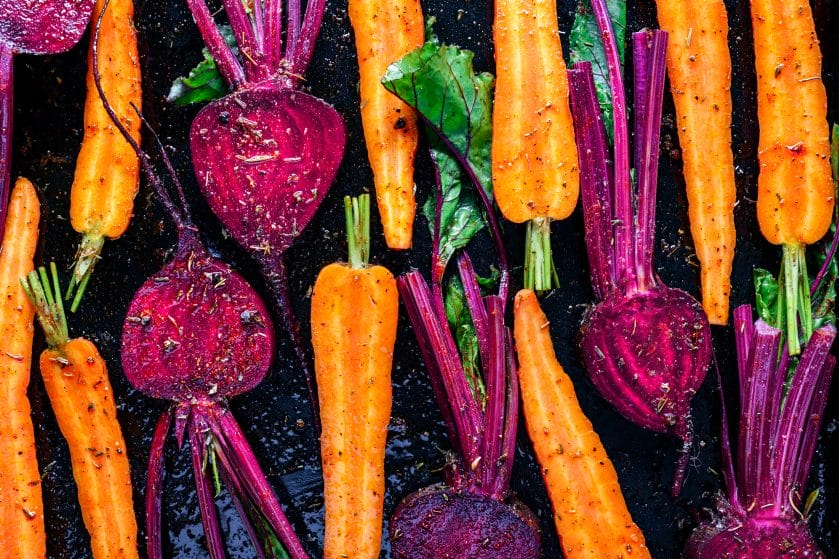
Potatoes, carrots, and onions are the bunker crops of the produce world. They are grown domestically in huge volumes and stored for months in climate-controlled warehouses. The ability to store them longterm smoothes out the supply peaks and valleys. Unlike lettuce or berries, which must be sold days after harvest, root vegetables have a steady, predictable price flow. A 5-pound bag of potatoes is almost always the best value in the produce section, regardless of the season.
Frozen Vegetables
When fresh produce prices spike due to transport costs or seasonality, frozen vegetables remain steady. They are harvested and flash-frozen at the peak of the supply, locking in lower costs. A bag of frozen broccoli florets is immune to the spoilage rates that drive up the cost of fresh broccoli. In 2026, with energy costs affecting shipping, the efficiency of the frozen supply chain makes it a safe harbor for vitamin-rich food.
Peanut Butter

Despite minor fluctuations in the nut market, peanut butter remains incredibly cheap per calorie. It is energy-dense, shelf-stable, and universally liked. A single jar provides weeks of lunches for a few dollars. It is one of the few processed foods in which the price per serving has remained relatively flat, despite the exploding costs of cereal and crackers.
The Anchor Strategy
When you see the price of eggs or steak jump, do not panic. Pivot to your anchors. By shifting your menu to rely more heavily on pork, beans, root veg, and frozen staples during volatile months, you can wait out the price spikes without blowing your budget.
What to Read Next
Stores Are Testing New Shelf Pricing Formats
How Tariffs Affect the Price of Groceries
January Grocery Bills Are Rising Faster for Households Buying These Items
5 Produce Items With the Biggest January Price Swings
Food Inflation Pressure Leads Grocers To Revamp Weekly Ad Strategies
The post Best Foods to Buy When Prices Are Volatile appeared first on Grocery Coupon Guide.