Get all your news in one place.
100’s of premium titles.
One app.
Start reading
Dot Esports
Dot Esports
Sharmila Ganguly

Best agents in VALORANT: Ranked tier list

Knowing how to play multiple VALORANT agents can definitely help you secure more wins, but don’t just lock in one at random. Just because the agent fills a role doesn’t mean they’re the best pick. So, how do you decide which VALORANT agent is worth locking this patch? Two words: tier list.

Whether you’re looking to master a new agent or just want to keep up with ranked and esports trends, Dot Esports’ VALORANT agent tier list, which is designed while taking the current agent meta and competitive map pool into consideration, is exactly what you need.
Table of contents

In a nutshell

  • Our tier list ranks all 28 VALORANT agents based on crucial factors like current state, maps, win rate, pick rate, and more, and is updated for Patch 11.08.
  • Clove is the most versatile and popular VALORANT agent, with the highest pick and win rates. Yoru, Waylay, and Neon are excellent duelists to pick right now. Go for Omen if you’re looking for the best true controller agent, while Cypher and Veto are strong sentinel picks.
  • A tier list helps you pick the strongest agent from available options, but don’t let it limit your potential. You don’t always have to go for S and A-tier agents to win games.
  • Always choose your agent after considering your team composition, the map, and possible strategies.

What is a VALORANT agent tier list?

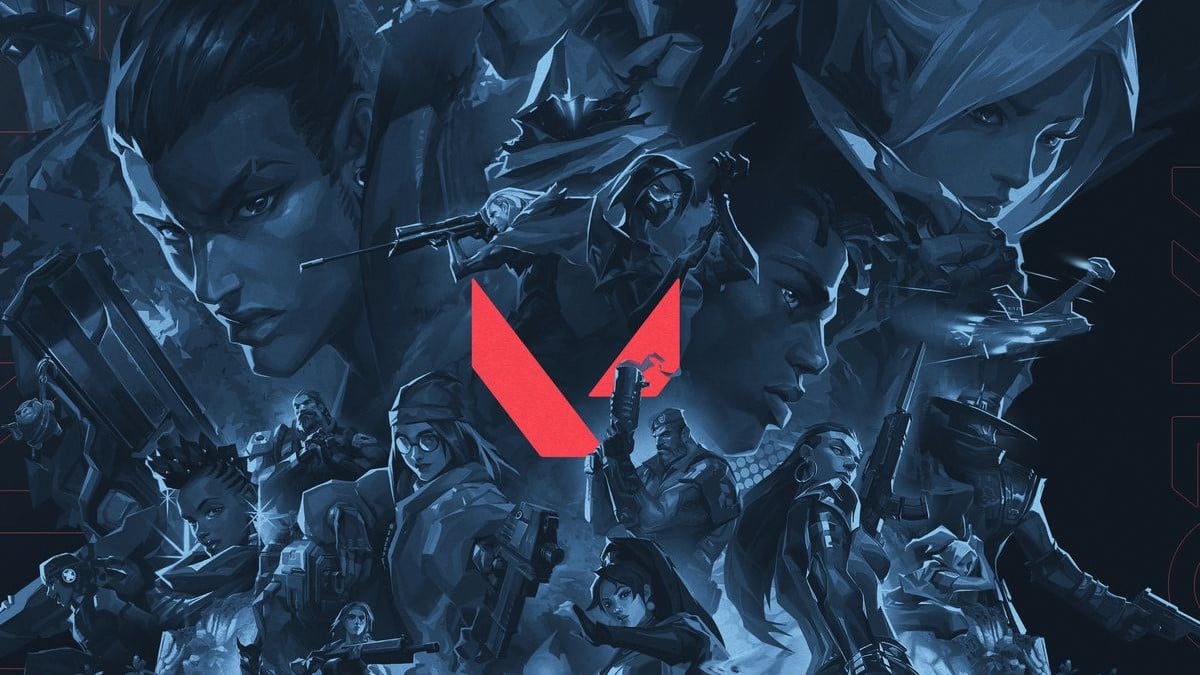
VALORANT poster with five agents
The game has come a long way. Image via Riot Games

As of Season V25, Act Six, VALORANT has 28 playable characters or agents, divided across four strategic roles: duelist, initiator, controller, and sentinel. Riot Games adds new characters to this roster periodically, and tweaks existing agents to keep the meta balanced. New trends, including agent mechanics and map-specific strategies, tend to emerge every few weeks, shuffling everything up.

So, if a particular agent is regarded as “broken” at this time, they may not offer the same kind of advantage after a future patch. This is where a VALORANT agent tier list comes in, ranking every agent in terms of versatility, win rates, pick rates in casual and pro play, learning curves, and other crucial factors to give you an idea about where they stand in the current meta. 

Referring to a tier list is particularly helpful if you’re new or returning after a long gap—or if you simply need to know who the best and worst VALORANT agents are after a big meta-stirring patch (like 11.08). 

Factors considered in our VALORANT agent tier list

Our updated VALORANT tier list considers the following factors while ranking agents:

  1. Recent buffs and nerfs
  2. Viability in the current map pool
  3. Learning curves
  4. Overall ability usefulness and team support potential
  5. Win rates
  6. Pick rates
  7. Viability in casual play vs. esports

We’ve kept our focus on casual play because let’s face it: pro play runs on its own strategies. Considering all this, our tier list ranks all VALORANT agents across five tiers, starting with “S” and ending with “D.”

Our tier list below is subject to change with every agent update. We’ll keep updating this article to reflect the meta as it changes.

Best VALORANT agents ranked tier list for Season V25, Act Six

VALORANT Go! Vol. 3 bundle poster
Go for the best. Image via Riot Games

Here’s Dot Esports’ VALORANT tier list for all agents as of December 2025 (Patch 11.11):

Tier Agents
S Neon, Yoru
A Waylay, Jett, Fade, Skye, Omen, Clove, Veto, Cypher, Killjoy
B Raze, Phoenix, Sova, KAY/O, Tejo, Viper, Harbor, Chamber, Sage, Vyse
C Breach, Gekko, Brimstone, Astra, Deadlock
D Iso, Reyna

Wondering why your favorite VALORANT agent ended up where they did? Don’t worry—I’ve explained everything below.

All S-tier VALORANT agents

Agent Role Why S-tier?
Neon Duelist Strong slide ability, can effectively claim space with speed and make way for the team, strong ultimate
Yoru Duelist Versatile duelist who can frag and initiate for the team

The S-tier features the cream of the crop: perfect agents with little to no disadvantage to playing them. After Patch 11.08, however, it just feels wrong to call any agent “S-tier.” At this point, I’d rather name Vandal or Phantom for this category, but well, rules are rules: I’ve got to put someone here.

So, here’s Yoru and Neon, two of the best duelists in VALORANT right now. Despite some nerfs to his abilities, Yoru continues to stand strong as a versatile entry fragger who can create space while also offering initiator-like utility to his team. Neon too is a self sufficient fragger, all thanks to her stun-speed-slide style. However, both these agents need some team support to break through heavy defensive setups. Yoru, in particular, has a steep learning curve, but don’t let that stop you from mastering him. Patience pays off.

All A-tier VALORANT agents

Agent Role Why A-tier?
Waylay Duelist Can get in and out of risky situations easily with her speedy kit, excellent space-taking capability, strong ultimate
Jett Duelist Once an S-tier agent, still iconic in the space-taking and solo duelist categories; has fallen off the ladder due to better options
Fade Initiator Excellent intel-gathering and scouting potential, ultimate covers a lot of space
Skye Initiator Flexible flash ability, strong scouting potential, fast team healing, ultimate can offer round-turning intel
Omen Controller The best controller in VALORANT since forever
Clove Controller Selfish but versatile kit, ideal for the current duelist-favoring meta, but not many team-focused abilities
Veto Sentinel A duelist in disguise, excellent teleport ability, one of the best ultimates in the game
Cypher Sentinel Traps, camera, action: He brings it all and does a sentinel’s job best, even after the trap rework and nerfs
Killjoy Sentinel Annoying Turret and Alarmbot, creative microwave setups are still a viable thing, powerful ultimate; little to no overpowerful potential and not as impactful as A-tier options

A-tier features agents who are well-balanced—yet in the right hands, their power becomes unmatched.

Waylay was among the most picked duelists in esports this season, and for good reason. While she requires team coordination (well-timed support abilities) to shine, she’s arguably the best secondary duelist in the tac shooter right now. If you want to play her, make sure you avoid solo queues, play with a duo or in a trio, but don’t miss out on the advantage she can bring in your games.

Fade and Skye are excellent initiators to pick this season, while Omen stands out as the best team-centric controller. the pseudo-duelist controller who’s been dominating the ranked pick and win rate charts ever since they were released.

Clove received some significant nerfs to their kit in Patch 11.10, but she’s still high up on the tier list. Personally, I’m not even a fan of their selfish kit. Then again, the post-death smokes, instant healing power, decay bomb, and self-revive ultimate works great in a meta that favors aggression and on all maps in the current rotation, so it’s just unfair not to acknowledge their ideal place in the meta.

Lastly, if you’re filling the sentinel role for your team, Veto, Killjoy, and Cypher are the ones to prioritize. Despite recent nerfs and reworks, all these agents continue to be among the best and most well-rounded choices in VALORANT, hence the A-tier.

All B-tier VALORANT agents

Agents Role Why B-tier?
Raze Duelist Excellent damage potential with abilities and unique movement skills, good for closely spaced maps like Bind and Split; too balanced and doesn’t offer overpowered potential like A-tier options 
Phoenix Duelist Good beginner-friendly contact duelist, great flashes and healing potential; you’d be better off with a versatile flasher like Yoru on the team
Sova Initiator Iconic initiator, well-rounded intel and deterrent abilities; isn’t as versatile as Fade who’s suitable on all maps in the current rotation.
KAY/O Initiator Good information-gathering abilities, versatile flash, and powerful ultimate; steep learning curve because lineups and apt timing are necessary to avoid his abilities getting dodged or destroyed
Tejo Initiator Good mixture of deterrent, intel, and control abilities; no recharge abilities makes decision-making hard
Viper Controller B-tier after Patch 11.08 because she’s the only controller who can activate smokes and cutoff sitelines more often, powerful ultimate, good lineup potential; stationary kit still makes her weak as a solo controller
Harbor Controller Patch 11.10 rework pushed Harbor up from D-tier to B, versatile Omen-like smokes which can offer a bullet-proof shield whenever, strong ultimate
Astra Controller Good set of vision blocking and control abilities, global smoking potential, great for Split, Abyss, and Pearl; limited by the star system, steep learning curve, high skill ceiling
Chamber Sentinel Climbed his way back to the status of one of the most popular agents, strong risk-taking potential, good trap; only powerful in the hands of a skilled aimer and Operator user and limited site-anchoring capabilities
Sage Sentinel Beginner-friendly, strong wall that can be used quirkily (Grim walls), great for maps like Bind, Abyss, and Split with narrow passages; not popular among high Elo players who’d prefer more impactful sentinels like Cypher or Vyse
Vyse Sentinel Versatile kit of site-anchoring, controlling, and intel-gathering abilities, once an A-tier sentinel; Patch 11.08 reworked her flash, wall, and ultimate to be less powerful, causing a fall in her status

These agents sit right in the middle—balanced, dependable, and fair. They’re neither easy to find value with, nor too difficult. They can deliver solid, even great impact, but you can’t pull off any overpowered stunts with their abilities. Play them to their strengths, or just choose one of their peers from A-tier if you’re looking for bolder options.

All C-tier VALORANT agents

Agents Role Why C-tier?
Breach Initiator Excellent in the hands of a big brain player who has mastered him for hours and has a duelist duo to follow up on his moves; bad in most other cases
Gekko Initiator Great if you can pick up his Globules multiple times, you also have someone to plant the Spike when nobody on your team wants to, excellent ultimate; significantly weaker than his peers
Brimstone Controller Instant triple smokes, great lineup potential; only good on Bind
Deadlock Sentinel Good defensive potential, traps can effectively counter dive duelists like Yoru and Waylay when placed thoughtfully; difficult ultimate, much better options out there

C-tier VALORANT agents aren’t necessarily bad, but I won’t suggest picking them unless you’re expecting situations where they’d be excellent (like certain maps), you main them, or if you have strong lineups and combos with your teammates.

All D-tier VALORANT agents

Agent Role Why D-tier?
Iso Duelist Shield lets you fearlessly peak anything, great in the hands of a skilled aimer; but abilities not very useful in taking space, which is a duelist’s primary role
Reyna Duelist Good flash that can help her and the team effectively take space; extremely selfish kit that only works when she’s having a good aim day

Reyna and Iso are both kill-based agents, meaning they’re only effective on a good aim day. As duelists, they should help the team create space, but they lack the utility to do so consistently.

Reyna has strong blinds, but other flash duelists like Phoenix and Yoru can easily replace what she offers. The rest of her kit depends entirely on securing frags. Iso’s Undercut (Vulnerable and Suppressed) can provide excellent value, but only if it connects with enemies. Its area of effect is narrow, so it’s important to deploy it based on your initiator’s intel. Like Reyna, the rest of Iso’s kit depends heavily on his performance as a fragger. Despite these limitations, both Iso and Reyna remain popular picks in ranked games.

If you want to play them anyway, pair them with Jett, Yoru, Neon, Phoenix, or Waylay. Opt for a double-duelist composition where Iso or Reyna serves as your team’s secondary duelist.


While our tier list is thoughtfully compiled, don’t let it demotivate you from mastering your favorite agent. In fact, no VALORANT agent is bad per se: they may be difficult to find value with or have a quirky independent playstyle, making them an unpopular choice. With enough practice and mastery, however, you can become a one-trick and own your enemies, even with a D-tier agent. Then again, some agents are just easier to work with than others.


Sign up to read this article
Read news from 100’s of titles, curated specifically for you.
Already a member? Sign in here
Related Stories
Top stories on inkl right now
One subscription that gives you access to news from hundreds of sites
Already a member? Sign in here
Our Picks
Fourteen days free
Download the app
One app. One membership.
100+ trusted global sources.