BENGALURU: Having won the battle against brain tumour some years ago, Luke Mani, 38, recently beat a rare disease called avascular necrosis (AVN) where bone tissue dies due to lack of blood supply. This, thanks to a Bengaluru doctor's help and a non-surgical procedure.
Mani underwent brain tumour surgery in 2013 and was on high dose of steroids as part of his treatment regime. While he recovered, three to four years later he began to suffer from severe pain in the lower back, which eventually started moving down to his knees. It gradually increased and he could not move properly, sit, perform his daily activities or even sleep.

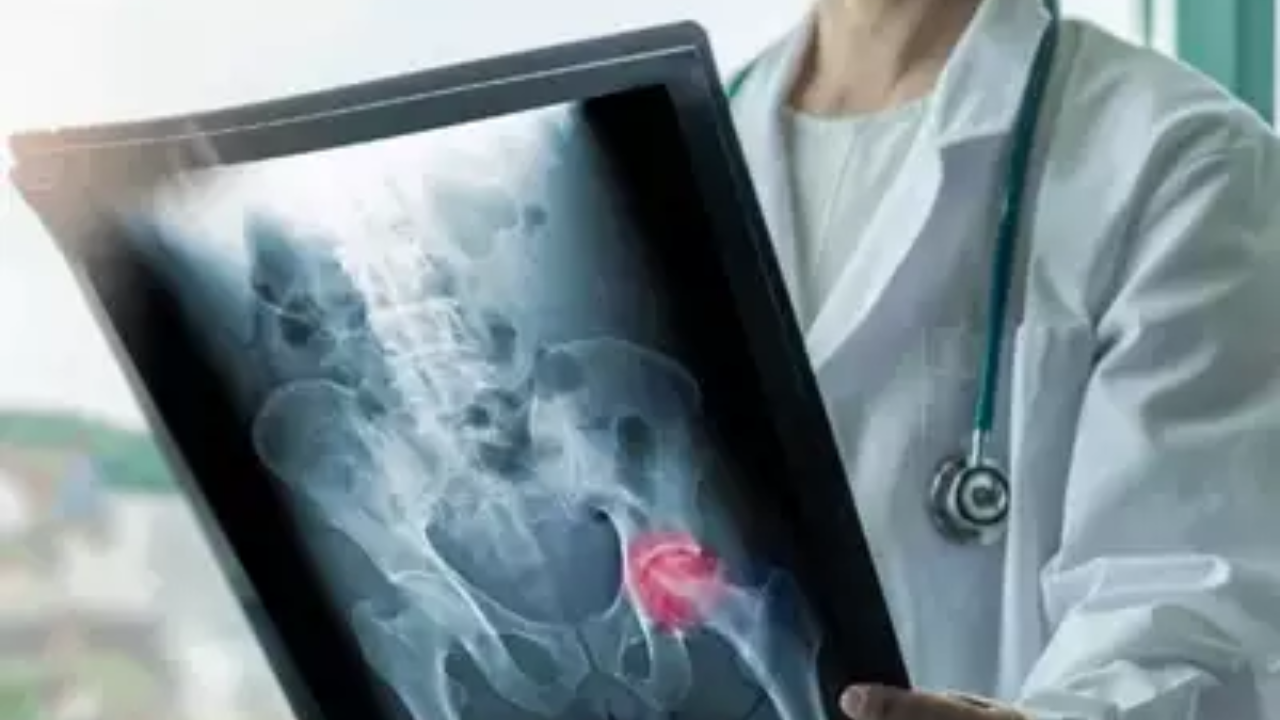
After running from hospital to hospital, Mani was diagnosed with third stage of AVN, which leads to tiny breaks in the bone, eventually causing bone death. It's most common in the age group of 30-45 and often affects the hip. While early stages of AVN are symptom-free, the only cure in advanced stages is bone replacement surgery, which is very painful, expensive and non-durable.
When everything seemed bleak, a city doctor helped Mani with a unique procedure called OSSGROW, a novel bone cell therapy.
Mani recalled that he felt helpless and began to consult various physicians and try different treatments. "The most popular treatment suggested was hip replacement, which is expensive and not permanent. I tried ayurvedic treatment in Kochi. The relief was temporary and the treatment periods were long. Though I was frustrated, I kept researching," he said, adding that the internet finally took him to Dr Gautam Kodikal, senior orthopaedist from Apollo Spectra. "I booked an appointment and it was the best decision I made. He made it possible for me to walk with bone regrowth treatment," said Mani, who's leading a normal life now.
Dr Kodikal explained that Mani had taken steroids for a prolonged period for brain tumour, which affected his hips. "With the OSSGROW procedure, we were able to replace the dead bone with live bone cells called osteoblasts. This was done by drawing bone marrow from Mani's pelvic bone and sending it to a laboratory for culture of the osteoblasts. After four weeks once the required number of cells was ready, a small drill hole was made and the dead bone was excavated. This space was then filled with the live bone cells," Dr Kodikal said, adding that there has been an alarming increase in the incidence of AVN after extensive steroid use for Covid-19 treatment.
Dr Kodikal added OSSGROW is India's first DCGI-approved targeted and personalised cell therapy-based solution to address AVN. "It's pain-free and cost-effective, and its advantages include the formation of new and healthy bone, recovery of restricted bone movements, restoration of rotation and weight-bearing, no limping and no use of walker or crutches. Hence, Mani was able to walk and recover immediately and is back to his daily activities," he said.