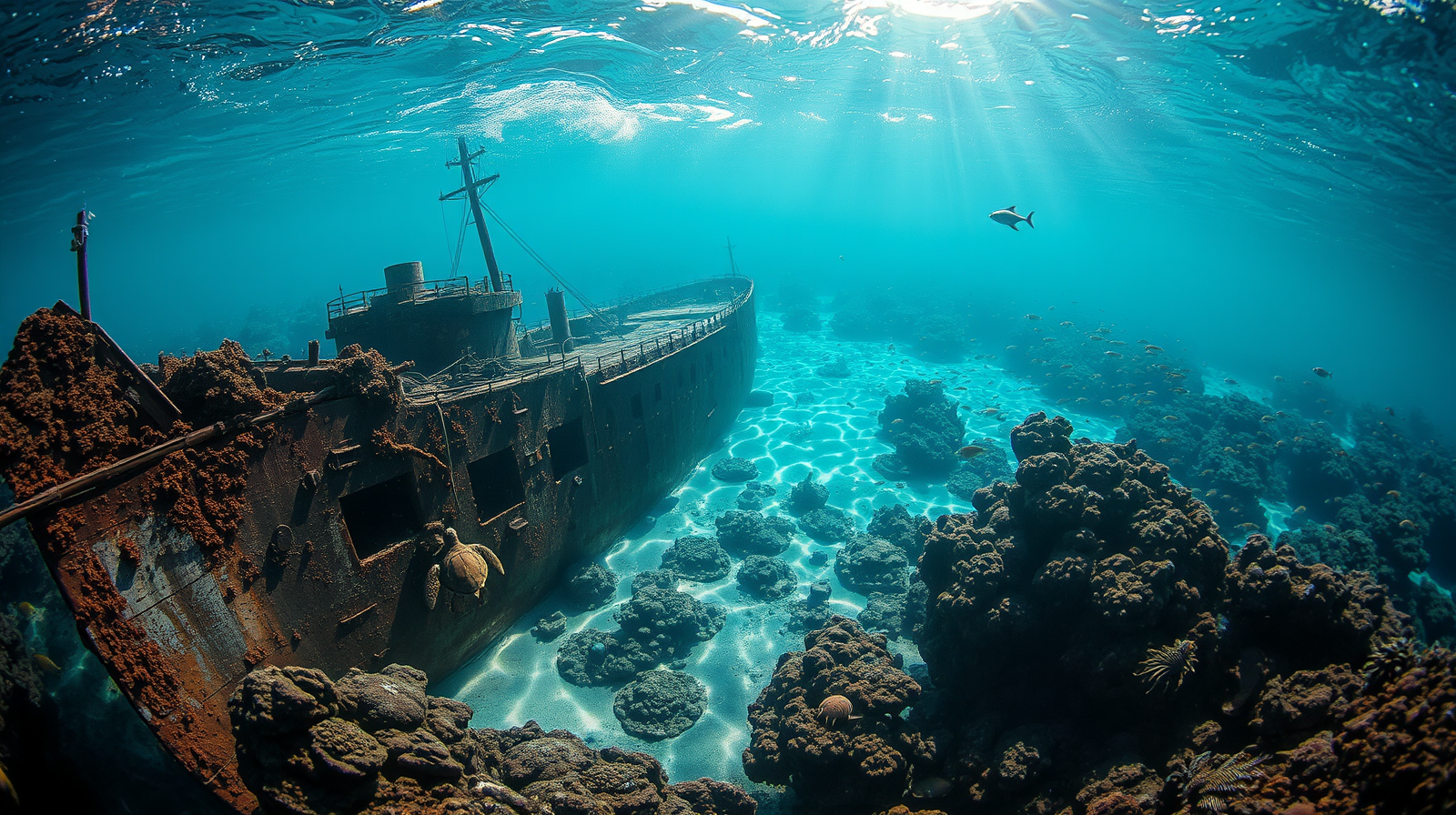
Scattered across the ocean floor worldwide are more than 8,500 shipwrecks classified as potentially polluting, most dating back to World War I and World War II, still carrying an estimated 6 billion gallons of heavy fuel oil within their corroding hulls. As these vessels approach or pass the century mark since sinking, their steel structures continue to weaken, and a growing body of research warns that pollution from these wrecks could reach its highest levels within this decade. Nowhere has this risk been made clearer than in Micronesia, where a series of real-world leaks from sunken World War II ships have already forced evacuations, fishing bans and emergency cleanup operations, offering a preview of what could happen on a much larger scale if a major storm or earthquake were to rupture multiple wrecks at once. What makes this crisis unusual is its timeline: decisions made in wartime, decades before anyone considered environmental consequences, are only now becoming urgent, forcing today's coastal communities to bear costs and risks nobody at the time could have anticipated.
Get breaking news anytime, anywhere. Download the TOI app now!