
Get all your news in one place.
100's of premium titles.
One app.
Start reading
Frugal Gardening
Frugal Gardening
Lifestyle
Amanda Blankenship

Before You Accept Free Plants From a Neighbor, Check for This Hidden Garden Pest

Invasive jumping worms
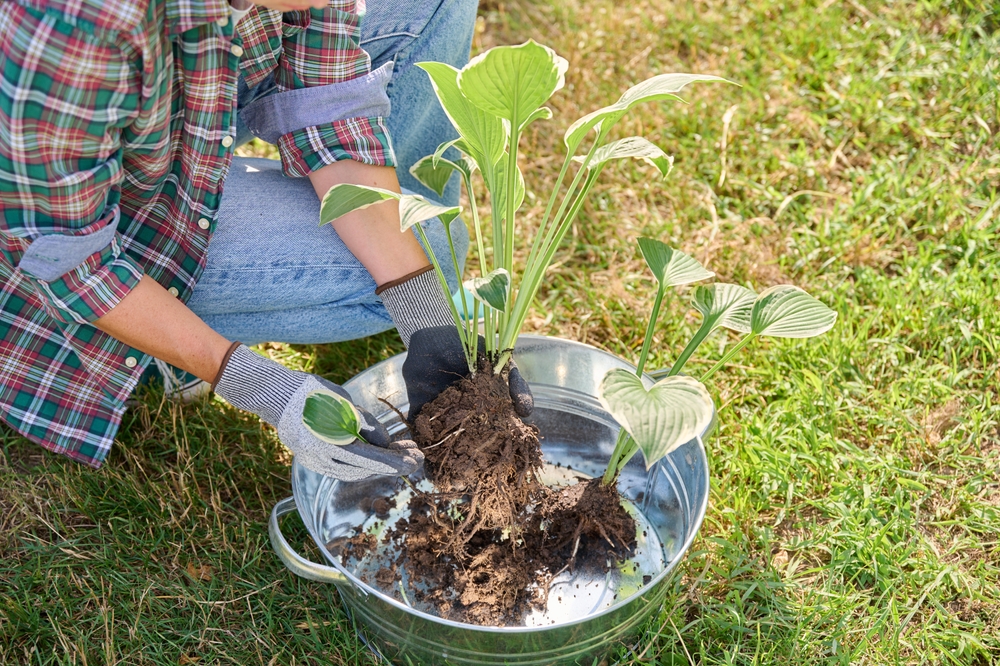
Free plants from neighbors can carry invasive jumping worms or their tiny cocoons in the soil around their roots. Inspecting donated plants and choosing clean, bare-root divisions can help reduce the risk of spreading these destructive earthworms. VH-studio/Shutterstock

Free plants are one of the best perks of having gardening neighbors. Someone divides their hostas, thins out an overcrowded flower bed, or offers you a few extra perennials, and suddenly you’ve saved $50 or more at the garden center. But that generous gift could come with something you definitely didn’t bargain for: an invasive pest hiding in the soil around the roots. Even worse, you might not discover the problem until it has already spread throughout your garden.

The hidden threat is invasive jumping worms, an increasingly widespread group of earthworms that can damage soil structure and disrupt plant growth. Exchanging plants dug directly from the ground is one way these worms can spread between properties. Before accepting another free plant, here’s what gardeners need to know.

Sign up to read this article
Read news from 100's of titles, curated specifically for you.
Already a member? Sign in here
Related Stories
Top stories on inkl right now
One subscription that gives you access to news from hundreds of sites
Already a member? Sign in here
Our Picks
Fourteen days free
Download the app
One app. One membership.
100+ trusted global sources.