
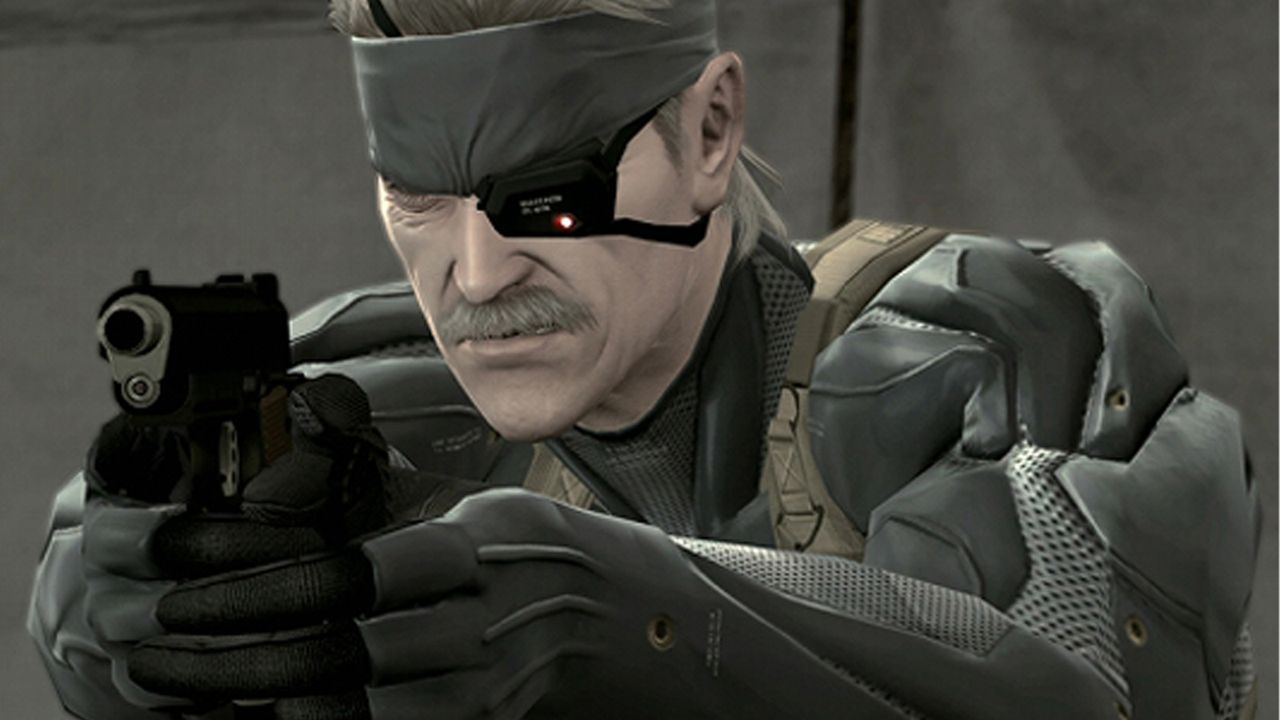
With the upcoming second volume of the Metal Gear Solid Master Collection set to include Metal Gear Solid 4: Guns of the Patriots and Metal Gear Solid: Peace Walker, there’s a renewed spotlight on one of the PS3’s most technically audacious games. For years, MGS4 felt stranded on Sony’s third console, a visually groundbreaking game locked to difficult hardware. Now, as Konami prepares the game for a modern return, it’s worth asking a different question: how did it look that good in the first place?
When Metal Gear Solid 4 launched in 2008, it set new expectations of what games can look like on console. I remember vividly covering the game while editor of PlayStation World magazine, and I was awestruck by the seamless transitions between cutscenes and gameplay. Skin shading felt cinematic, environments had a density most developers at the time avoided for fear of tanking performance, and character detail was incredible. It didn’t feel like a typical console production; it felt closer to a pre-rendered film that you could suddenly control (and some criticize the game for being such).