Get all your news in one place.
100's of premium titles.
One app.
Start reading
The Economic Times
The Economic Times
National
Team Global

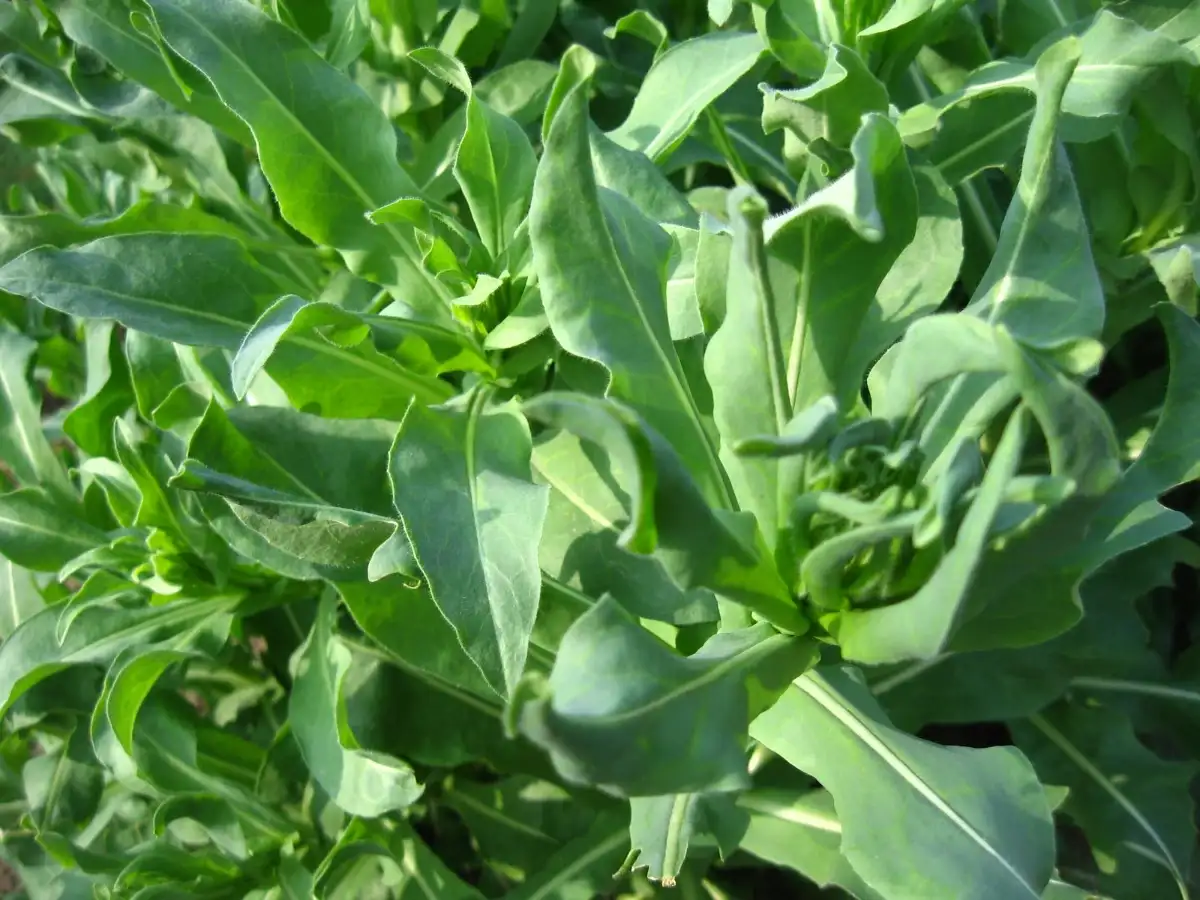
Before 1850, Americans grew Dyer’s woad for blue dye; in the Great Basin, one infestation later grew from 12,000 to 150,000 acres in eight years

Dyer’s woad ( Isatis tinctoria ) was once commonly cultivated by American settlers as a source of blue dye. The plant proved too effective at spreading, and it eventually became one of the most invasive species in the American West. According to the USDA Forest Service, weed specialists in the Great Basin have documented one infestation that grew from 12,000 to 150,000 acres in eight years.

A plant with a surprisingly chill backstory

Sign up to read this article
Read news from 100's of titles, curated specifically for you.
Already a member? Sign in here
Related Stories
Top stories on inkl right now
One subscription that gives you access to news from hundreds of sites
Already a member? Sign in here
Our Picks
Fourteen days free
Download the app
One app. One membership.
100+ trusted global sources.