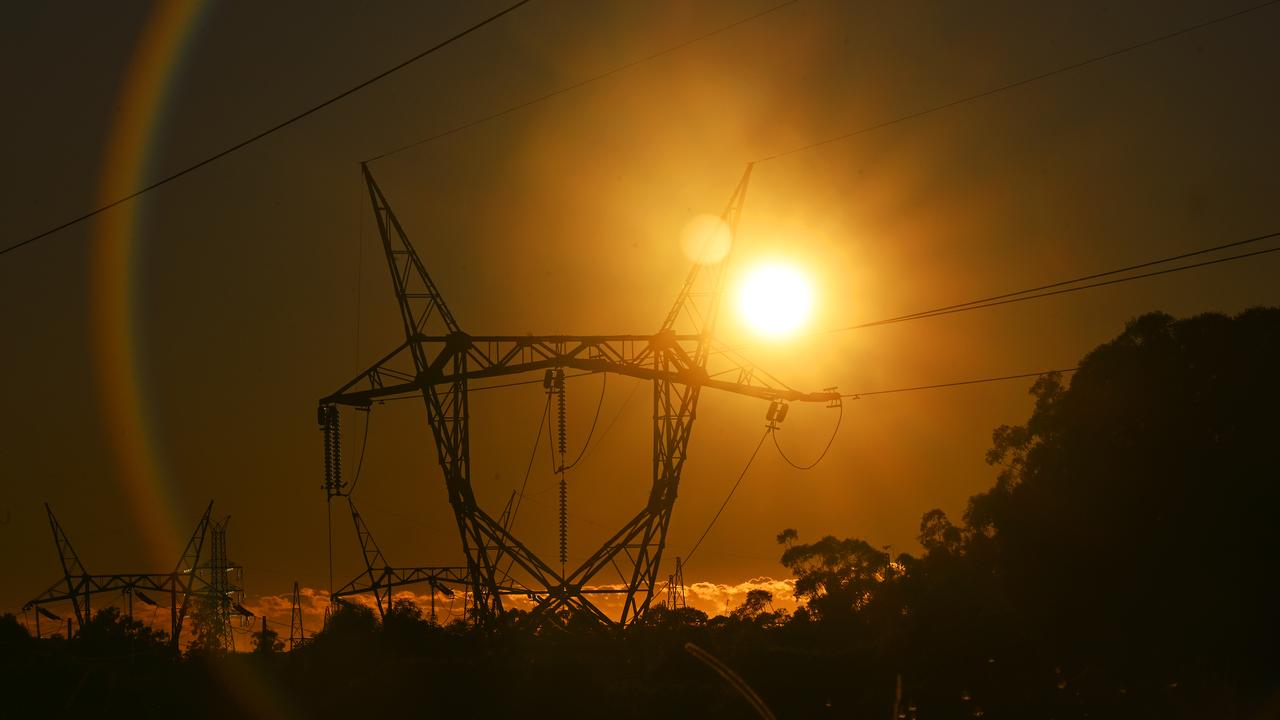
Australian power grids have proven far more resilient to the latest global energy crisis compared with the Russia-Ukraine war, bolstered by battery boom and subdued local gas prices.
A ballooning battery fleet soaking up cheap, abundant solar to discharge in the evening peak have cut reliance on dearer gas and hydro generation, the market operator says.
More battery usage fed into lower year-on-year wholesale electricity prices in most regions.
Batteries set prices nearly a third of the time in the first three months of 2026, surpassing all other technologies.
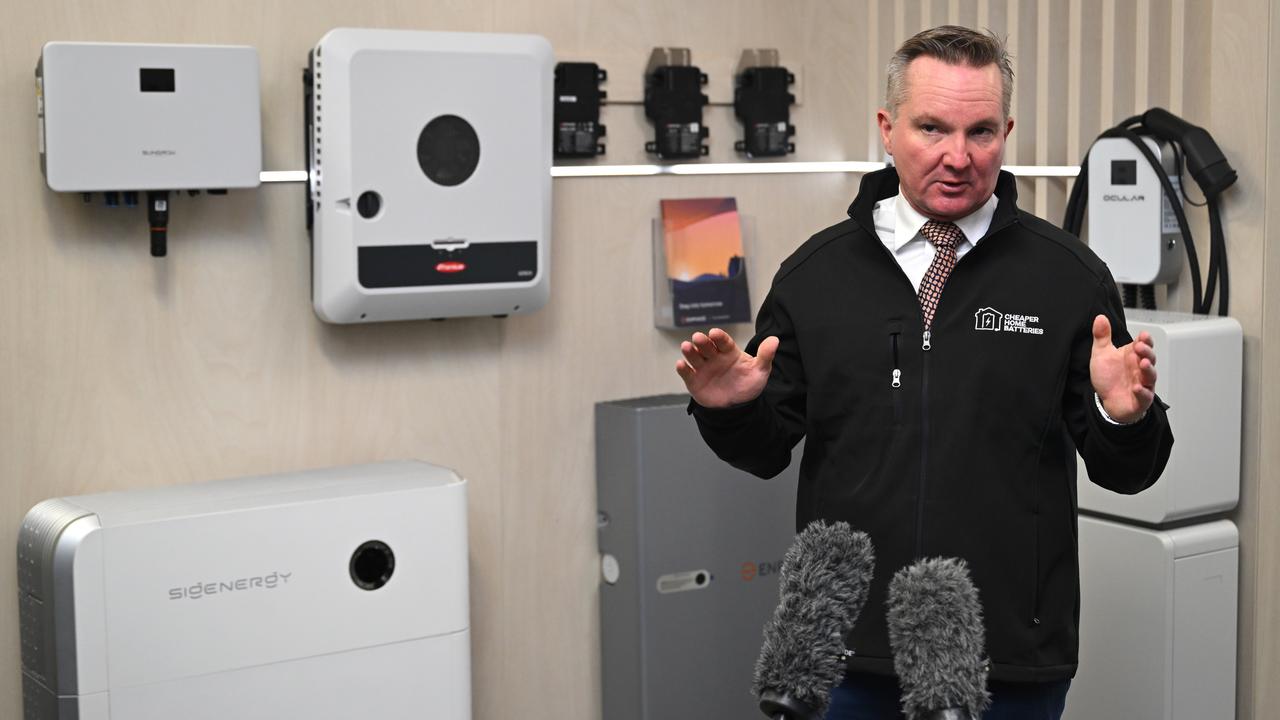
"Grid-scale batteries are increasingly absorbing excess renewable energy during the day and shifting it into the market during evening peaks, helping moderate prices during high-demand periods," the Australian Energy Market Operator's Violette Mouchaileh said.
The eastern grid has doubled its installed battery capacity in 12 months, as grid-scale projects and subsidised household systems entered the market at pace.
Wholesale spot prices across the main eastern network averaged $73/megawatt hour (MWh) in the first three months of 2026, down 12 per cent from the same period in 2025, but higher than the spring quarter before.
Summer quarters typically see higher prices as hot days push demand and prices higher.
Early 2026 prices were also well below the above $250/MWh averages of 2022 triggered by the Russia-Ukraine war, despite similar international price shocks following recent Middle East conflicts.
Gas prices, which typically drive east coast power bills when peaking plants cover evening demand spike, were also surprisingly subdued given the geopolitical context.
Wholesale gas prices averaged $10.61/GJ, lower than in the first three months of 2026.
Ms Mouchaileh said lower gas demand for electricity generation and a moderately lower Queensland LNG exports weighed on domestic prices, even as international prices surged.
Wood Mackenzie research analyst Natalie Thompson said Australia's power system was undergoing a structural shift insulating it from global energy price shocks.
"Growth in renewables and batteries, reduced reliance on gas-fired generation, and the rise of distributed energy resources are materially lowering exposure to international fossil fuel markets," she said.
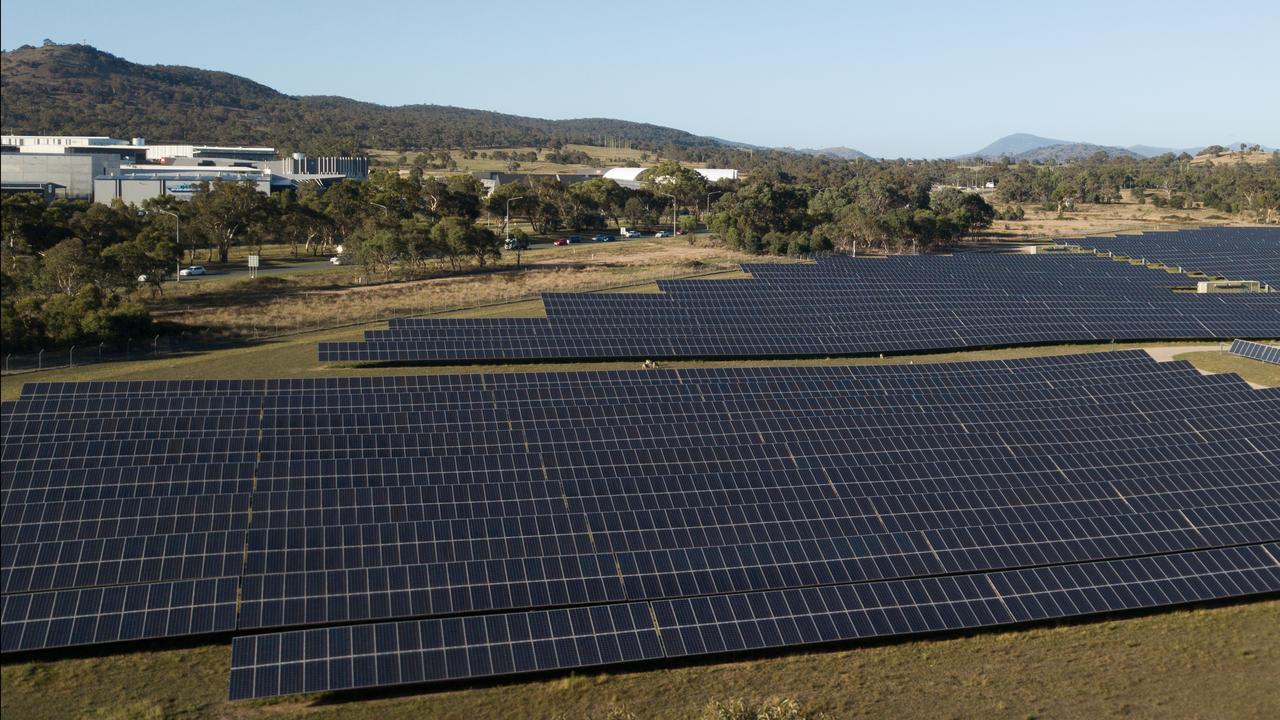
"Australia's energy transition is now delivering tangible energy security benefits alongside emissions reductions."
Solar and wind continue to supply a growing share of Australia's total generation, AEMO's quarterly electricity snapshot revealed, with the 46.5 per cent a record high for a first quarter.
Renewables share was lower than the 51 per cent of overall supply in the quarter prior, reflecting a jump in demand as airconditioners fired up during searing January temperatures, reaching 50C in some heatwave locations.
Ongoing electrification and data centre connections also added to a new quarterly record for electricity demand, with 11 big projects working through the connection process.