Bangladesh has secured $1.1 billion in emergency financing from the World Bank as the country grapples with rising food and energy costs linked to the conflict in the Middle East, even as Dhaka moves to deepen its strategic and economic partnership with China.
Get breaking news anytime, anywhere. Download the TOI app now!

The funding comes at a time when Bangladesh is also seeking additional support from international lenders, including the International Monetary Fund (IMF), to strengthen its foreign exchange reserves and ease mounting pressure on public finances after soaring energy import costs and broader economic challenges. The World Bank said the package would help the country respond to external shocks while protecting jobs, livelihoods and essential public services.
According to Reuters, the financing consists of two projects designed to bolster food security and economic resilience. Around $300 million will be used under the Emergency Support for Food Security Project to finance imports of 600,000 metric tonnes of fertiliser for upcoming rice-growing seasons. Bangladesh imports more than 85% of its fertiliser requirements, leaving it highly exposed to disruptions in global supply chains. Reuters reported that the project is expected to support rice cultivation across 1.4 million hectares of farmland.
The remaining $713 million will fund emergency cash transfers, livelihood support for vulnerable households and small businesses, as well as fuel and energy imports needed to maintain critical services, including healthcare, electricity, water supplies and food distribution. Reuters quoted World Bank Bangladesh and Bhutan Division Director Jean Pesme as saying that rising food, fertiliser and fuel prices driven by the Middle East conflict had placed significant strain on smallholder farmers and poorer households.
Bolstering China ties
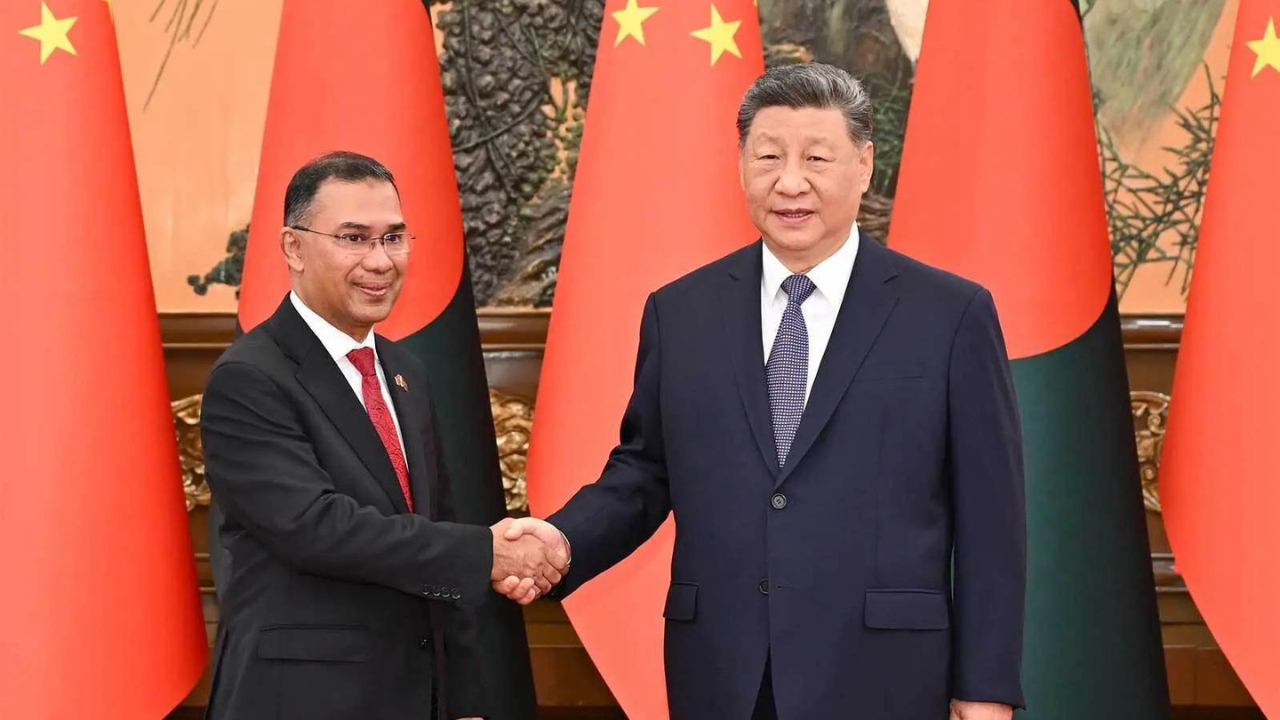
The announcement coincided with Bangladesh's efforts to strengthen ties with Beijing following Prime Minister Tarique Rahman's visit to China. Foreign Minister Khalilur Rahman described bilateral relations as being at their "highest level", saying the visit marked a "landmark upgrade" in cooperation.
During the visit, Bangladesh and China agreed to institutionalise a strategic dialogue between their foreign ministers and launch a new "2+2" mechanism covering diplomacy and defence. The two sides also reaffirmed cooperation under China's Belt and Road Initiative, pledged to accelerate work on the Teesta River Comprehensive Management and Restoration Project, and agreed to expedite the expansion of Mongla Port and the development of the Chinese Economic and Industrial Zone in Chattogram.
Prime Minister Rahman also met Chinese President Xi Jinping and Premier Li Qiang, with the two countries signing eight memorandums of understanding, three agreements, a protocol and a Joint Action Plan covering trade, investment, agriculture, education and development cooperation. Xi also reaffirmed Beijing's support for Bangladesh in safeguarding its sovereignty and resisting foreign interference.