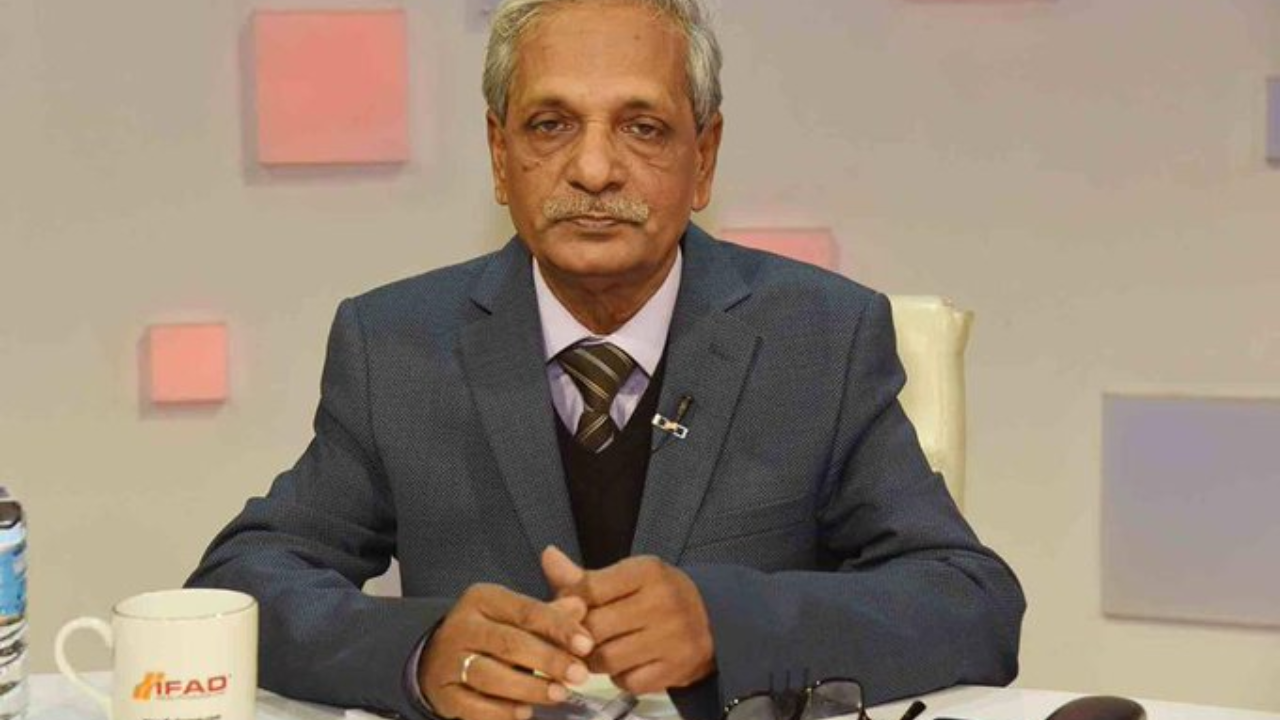
Veteran politician Nitai Roy Chowdhury, a senior leader of the Bangladesh Nationalist Party (BNP) and a prominent Hindu minority face, was sworn in as a minister on Tuesday as the new government took office in Bangladesh.
His induction into the 50-member cabinet marks a significant moment for minority representation in the BNP-led administration.
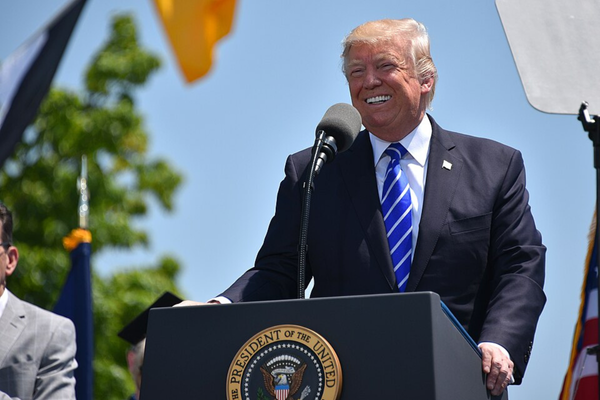
The swearing-in ceremony was held at the South Plaza of the Jatiya Sangsad Bhaban, where President Md Sahabuddin administered the oath to prime minister Tarique Rahman and members of his cabinet. Rahman, who leads the BNP, took oath earlier in the day, formally beginning the party’s return to power after nearly two decades.
The BNP secured a decisive mandate in the recent general elections, the first national polls held after the ouster of former prime minister Sheikh Hasina in 2024. The party won 209 seats, while its allies secured three more, giving the coalition a clear majority in the 300-member parliament.
Rahman, the son of former Bangladesh prime minister Khaleda Zia and former President Ziaur Rahman, becomes Bangladesh’s first elected male prime minister in 35 years. He returned to the country after 17 years in exile and led the BNP to victory. The new cabinet comprises 25 ministers, 24 state ministers and three technocrats.
Senior leaders including Mirza Fakhrul Islam Alamgir, Amir Khasru Mahmud Chowdhury, Salahuddin Ahmed, Iqbal Hasan Mahmud (Tuku) and Major (retd.) Hafiz Uddin Ahmed also took oath as cabinet members, according to Prothamalo.
India was represented at the ceremony by Lok Sabha Speaker Om Birla, signalling engagement with the new government.
Who is Nitai Roy Chowdhury?
Nitai Roy Chowdhury is a seasoned Bangladeshi politician and lawyer who has played an active role in national politics for decades. Born on January 7, 1949, in Hatbaria village of Mohammadpur in Magura district, he completed his schooling at Alokdia Pukhuria High School and Magura Government College before graduating from the University of Dhaka. He later entered the legal profession.
Chowdhury began his political journey with Chhatra Union during his student life. He was elected as a Member of Parliament from the Magura-2 constituency in the 1988 Fourth National Parliament Election on a Jatiya Party ticket, according to tritiyomatra.com
During that period, he served as Chairman of the Magura District Council with ministerial rank and later held positions as State Minister in the Ministries of Education, Youth and Sports, and Law, Justice and Parliamentary Affairs. He also served as Youth and Sports Minister from September 9, 1990 to December 6, 1990.
After the fall of the HM Ershad government, Chowdhury joined the BNP and gradually rose within the party. He has served as a vice president of the BNP and is regarded as a senior advisor and strategist to the party’s top leadership. He is also a member of the BNP’s highest policy-making standing committee.
In the 13th Parliamentary elections, Chowdhury was elected from the Magura-2 constituency, securing 1,47,896 votes and defeating Bangladesh Jamaat-e-Islami candidate Mustarshid Billah, who received 1,17,018 votes, according to BSS news.
The result was announced by Election Commission Senior Secretary Akhtar Ahmed at the Result Collection and Dissemination Centre in Agargaon.
Chowdhury was among four minority community candidates who won in the election, including two Hindu leaders, the other being Goyeshwar Chandra Roy, who won from a Dhaka seat. Hindus make up about eight per cent of Bangladesh’s population of nearly 170 million people.
His inclusion in the new cabinet is being seen as part of the BNP government’s outreach to minority communities as it begins its five-year term in office.