
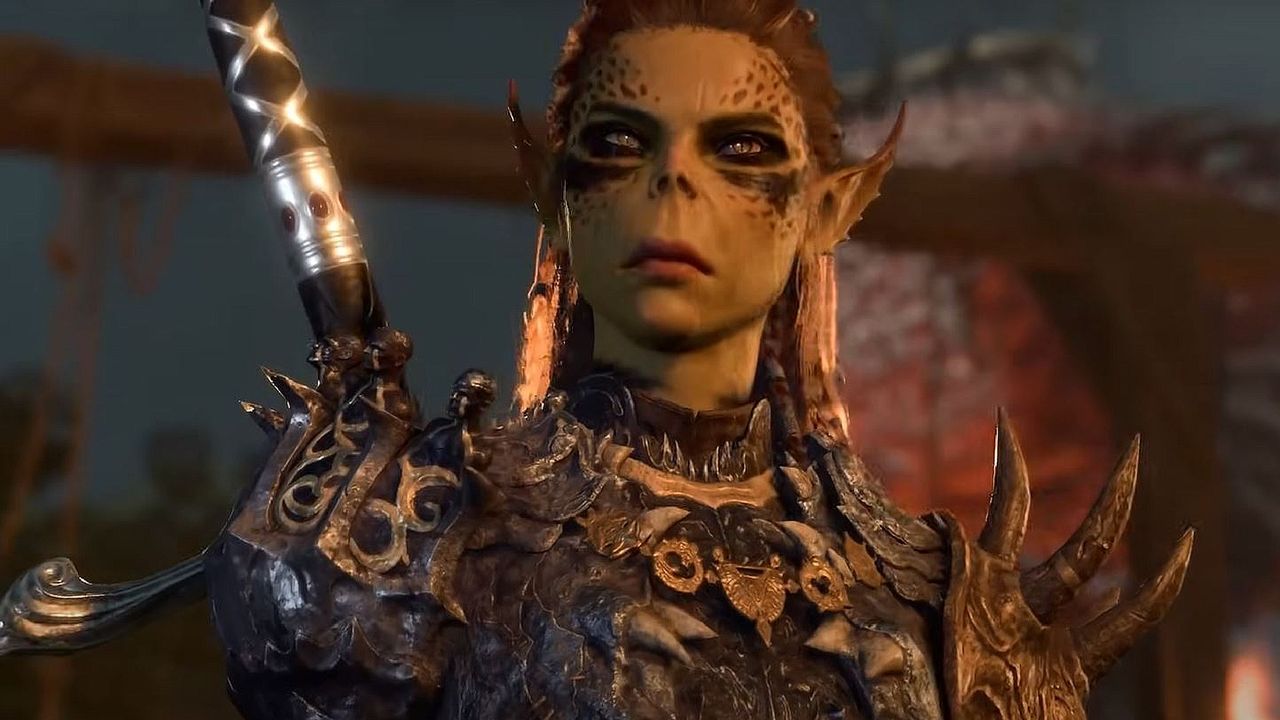
It takes a large team to make games like Baldur's Gate 3 and Divinity: Original Sin 2. So large, the specific influences are extremely varied and hard to pin down, to the point that when asked if certain genres help shape the output of Larian Studios, director of publishing Michael Douse can only speculate.
On Twitter, he was asked by a fan if JRPGs are part of the tapestry Larian draws on, in response to a post celebrating Dragon Quest 7 Reimagined. "Many people involved," Douse replies. "One of our combat guys is a big JRPG fan for example, but I don't know about Nick."

He's presumably talking about Nick Pechenin here, Larian's head of design, who oversees all a project's systems and makes sure they function as desired. As a lead dev whose fingers are all over combat and exploration, his own tastes and preferences would definitely be something you're likely to detect, if even only to a subtle degree.
Many people involved. One of our combat guys is a big jrpg fan for example, but i don't know about Nick. Swen isn't, he's an ultima guy.February 8, 2026
Douse notes, though, that whatever this fan is picking up isn't coming from Swen Vincke, founder of Larian and director on all the studio's games thus far. He's more of "an Ultima guy."
When it comes to vintage RPG series, they don't come much more old school than Ultima, a classic line of fantasy dungeon-crawlers dating back to the early '80s, created by Richard Garriott. You can definitely see the imprint of those games on Larian's releases, as they were real forebears when it came to choice-based storytelling and open-world design.
That said, I can see flickers of the Japanese approach in the Original Sin games and the third Baldur’s Gate, particularly when it comes to the pace and structure of their turn-based battle systems. I'm curious to see if the relationship becomes more pronounced in the new Divinity. Maybe we'll see Larian go full Clair Obscur: Expedition 33, melding European aesthetics and JRPG gameplay. Either way, I'm here for it.