
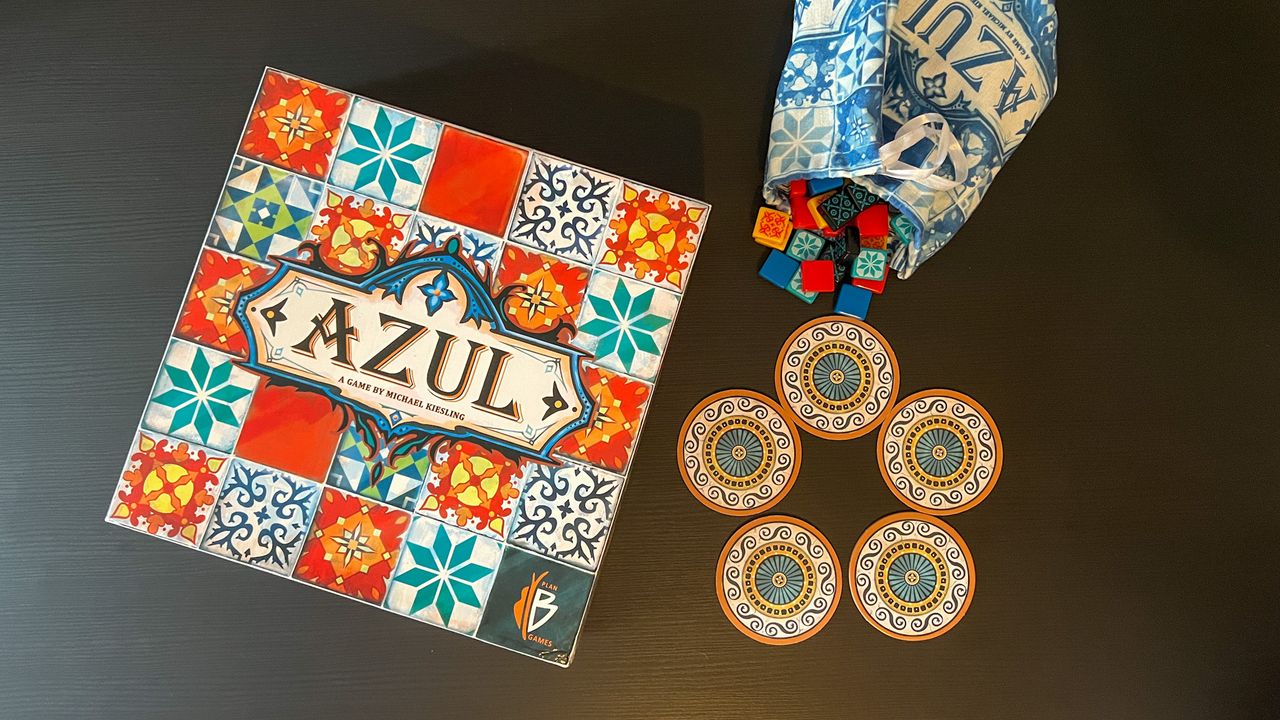
Azul is a colorful tile drafting strategy game for up to four players, with a massive range of different logic puzzles baked into the core gameplay. Working in tandem, these systems organically grow as your understanding of the game evolves, producing an ever-changing experience with a difficulty ramp that meets your own skill level naturally.
That's a rare beast, and barring a few mid-game balancing issues, Azul pulls off its intricate machine-building with aplomb. I put Azul to the test over the course of five weeks, playing at two, three, and four person tables, to see exactly where it sits among the best board games on the market right now.
Azul features & design
Price |
$39.99/£39.99 |
Ages |
8+ |
Game type |
Abstract/open drafting |
Players |
2-4 |
Lasts |
20-30mins |
Complexity |
Moderate |
Designers |
Michael Kiesling |
Publisher |
Plan B Games |
Play if you enjoy |
Kingdomino, Sagrada, Realm of Sand, Spirits of the Forest, Isle of Cats, Patchwork, Splendor |
- An abstract puzzle game about drafting tiles
- Absolutely beautiful art and design
- Theme feels quite detached from mechanics
Azul is set against the backdrop of King Manuel I's return to Portugal - he's seen some sights while away in Seville, and discovered the azulejos tiling of the Alhambra palace. As a tile artist yourself, you're perfectly positioned to fulfil his wish of decorating his own palace in the same style, which means it's time to head to the market, gather your supplies, and get to work.
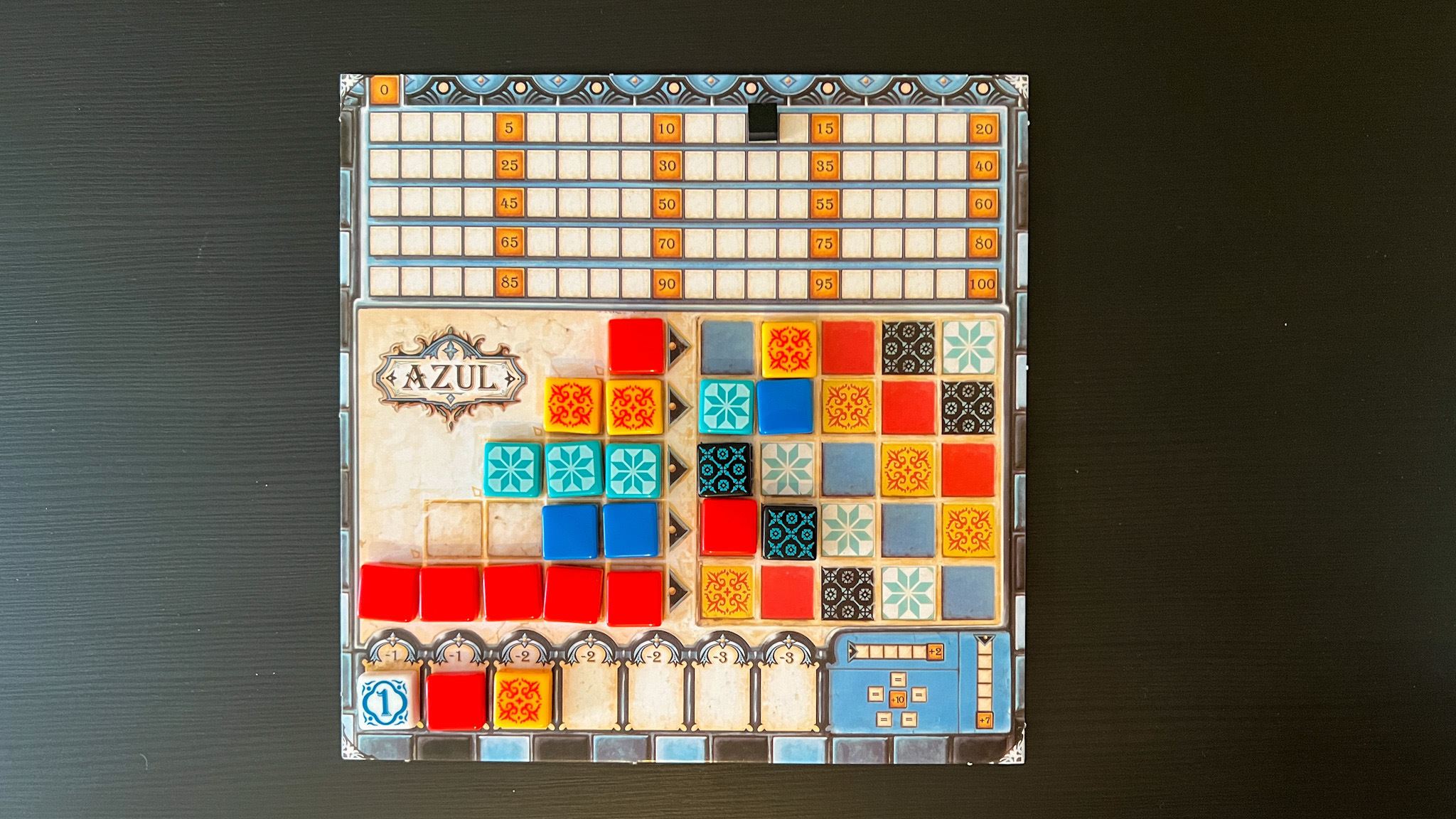
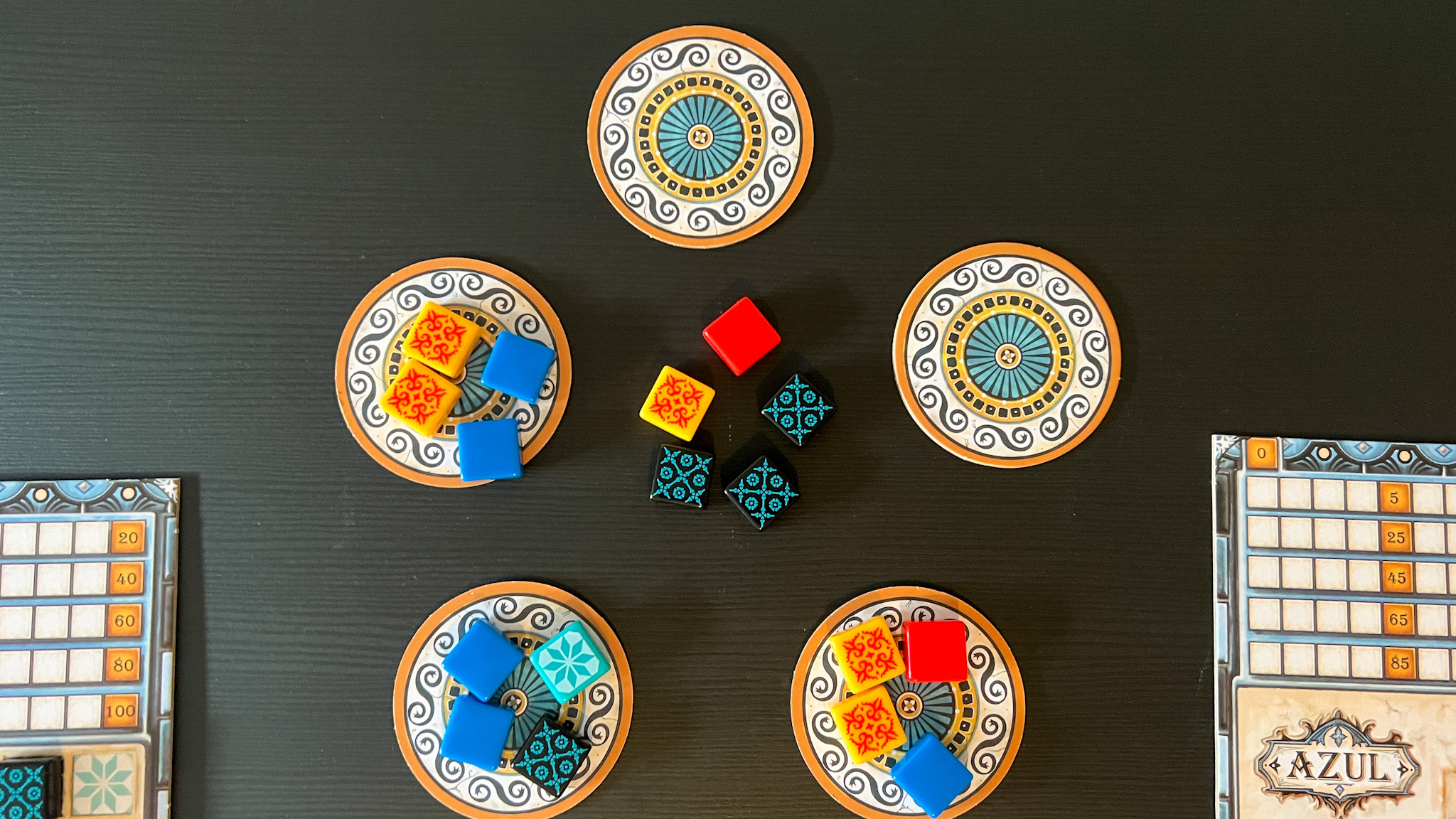
In each round, players must draft tiles from circular marketplace (taking all of one color at a time and placing the rest into the middle), line them up in rows on their board, and start filling their walls once the market has been all bought up. It's not as straightforward as this makes it sound, though. Any tiles that can't fit on your pattern lines (which is likelier than you think, seeing as you can only hold one color at a time, and can't place a tile of the same color as one you already have on that row) fall to the ground. This costs you valuable points.
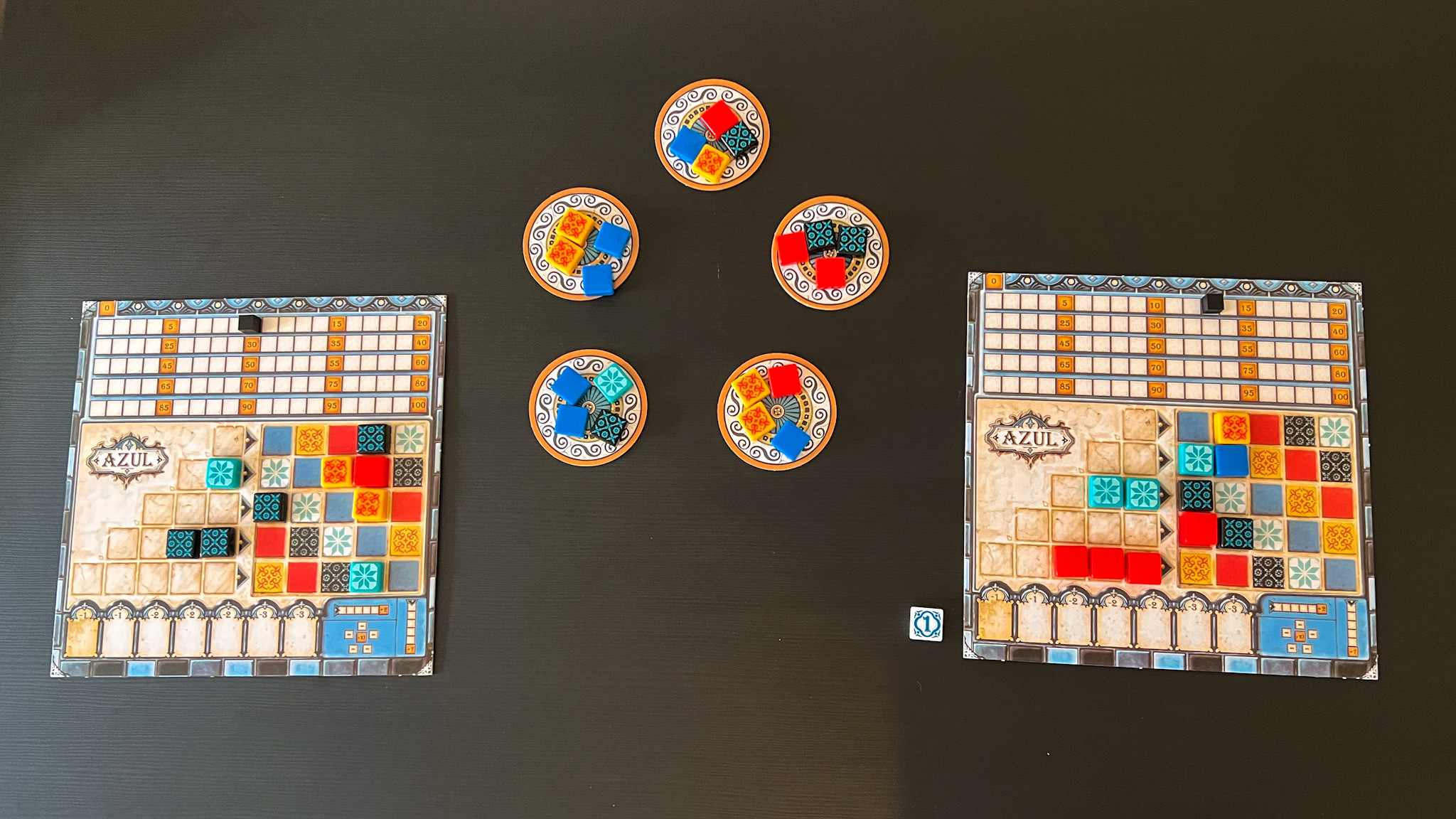
Speaking of which, points are scored based on how many tiles each new placement touches as it's added to the wall, with end-of-game tallies also incorporating the number of rows, columns, and full color sets you've managed to complete. Rounds finish once a single player has completed a full row of their wall.
The abstraction of Azul means that the Portuguese influences are found in the lore and backstory, the design of the boards and tiles, and the overarching narrative. Logic and mechanics are kept clean from these colorful inspirations, and - boiled down - could fit any setting.
That's not to bemoan Azul's central logic, but considering similar games like Kingdomino and Isle of Cats manage to build their worlds into mechanics while still retaining a similar competitive strategy element, I would have liked to see a little more atmosphere baked in here.
Gameplay
- Trying to calculate each move is very engrossing
- Need for flexibility will keep you engaged
- Can be tricky to catch up if someone gets an early lead
The strategy to Azul sneaks up on you, to the point where I'm loathe to go into too much detail around specifics - it's just too much fun discovering each piece of the puzzle yourself.
While the drafting and machine-building systems may seem simple at first glance, each playthrough will spark inspiration for a new tactic or approach. We had plenty of "one more game, I want to try something" moments in our testing, which had everyone at the table intrigued.
From the very moment those first tiles are laid out, Azul forces you to play differently every time. I gradually fell into a starting tactic, which would shift slightly depending on the combinations of colors available from the initial round, but still appreciated the demand for flexibility running throughout each stage.
That's likely due to the fact that Azul works several different kinds of logic all the time. This is more than one puzzle; there are so many systems running hand in hand that calculating each move becomes an incredibly satisfying decision tree. You're racing against the clock, drafting with as much efficiency as possible, and lining up your board for a maximum profit to opponents' loss ratio. Even picking your tiles becomes a Nim-like game of maths, probability, and reading your opponents' intentions.
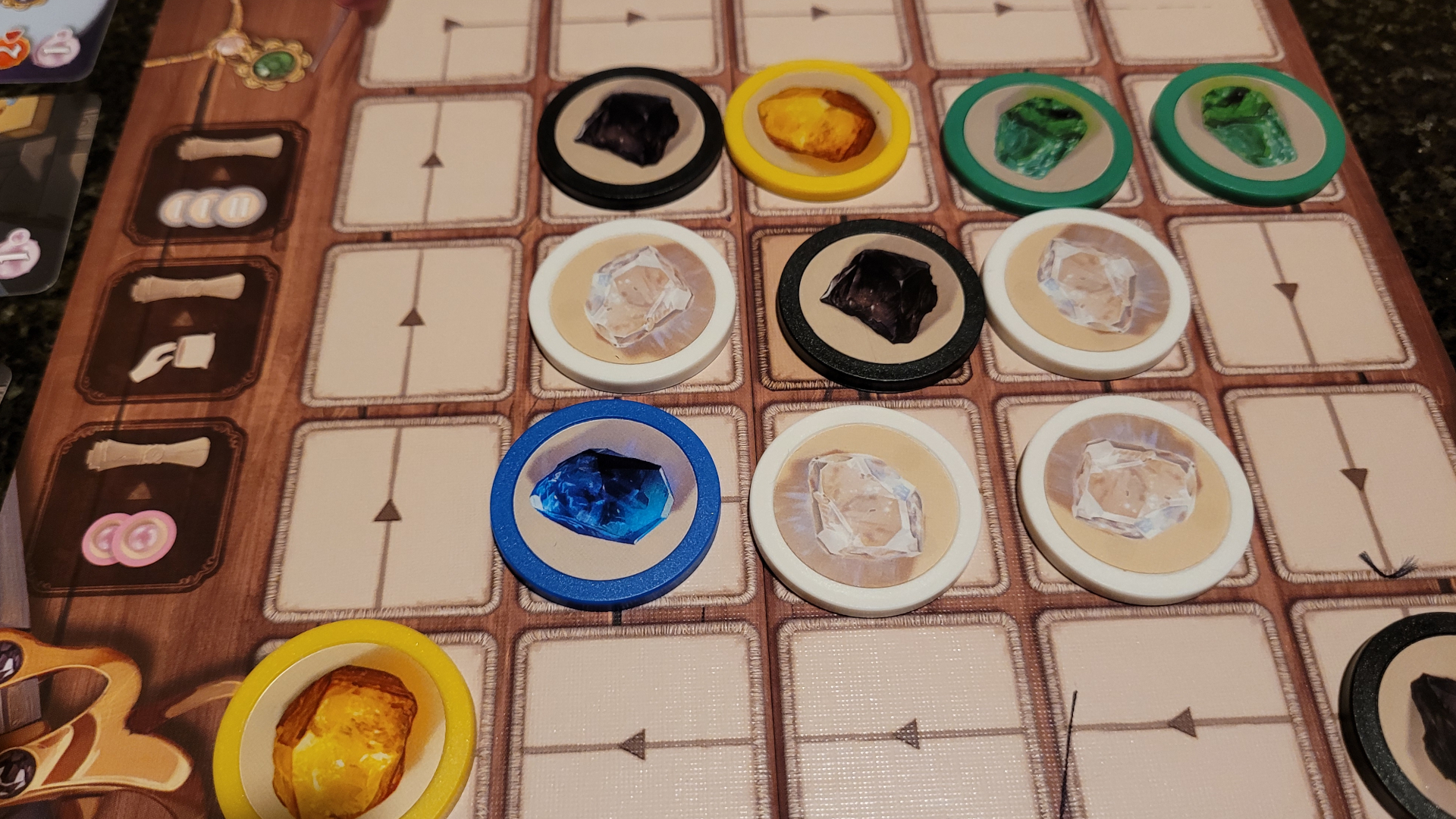
If you like the sound of Azul, it's worth considering Splendor Duel as well; this has a similar drafting mechanic and vibe. We're big fans of it, awarding the game four and a half stars out of five.
The result of this complex combination of systems and logic is an organic strategy experience that each player shapes for themselves. As in all good drafting experiences, everyone at the table's playing a slightly different game and is developing a greater understanding of exactly what's being asked of you with every round.
That means the difficulty is dynamic enough to cater to those after a board game for kids which can easily transition into a high-stakes adult board game later on.
Of course, if one player manages to kick off with two or three excellent rounds, things can steamroll. I often found that once a player had a significant enough lead (perhaps 10 points) by the middle of the game, there was no catching them. That meant many wins were often decided well before the end, despite efforts to balance in extra points once the game had concluded.
Should you buy Azul?
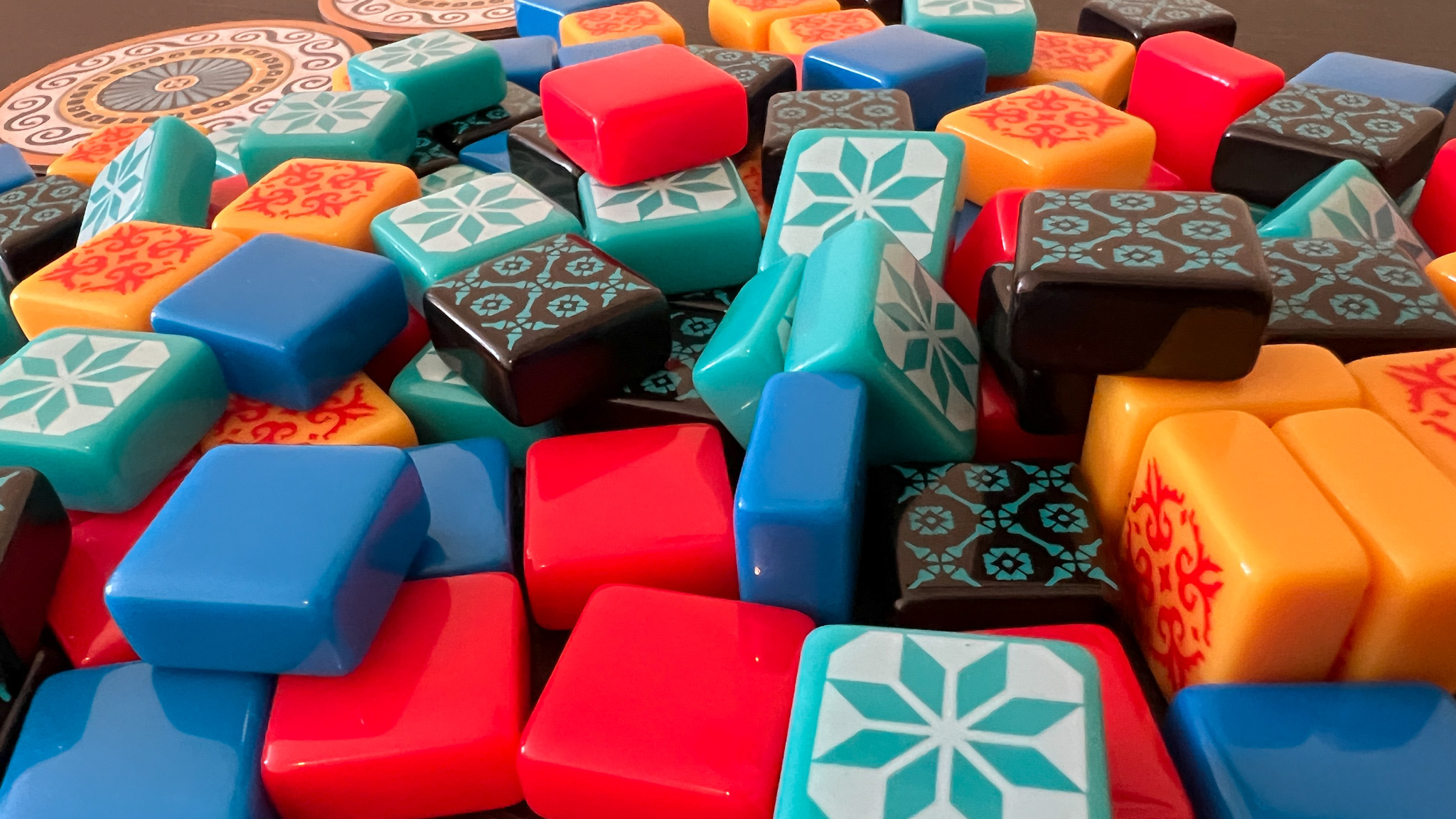
I've taught two players to play Azul on separate occasions, and both were up and running, developing their own strategies, and engaging with each intricate system within two or three games. Once the phases and processes are in place, the required strategies naturally fall into place and begin evolving. Azul can cater to up to four players, but it's one of the best 2-player board games if you're after a head to head battle.
Each game takes between 20 and 30 minutes, so Azul is also a perfect weeknight pick-up-and-play experience. However, it's just as easy to slip into a 'best of three', 'best of five' mindset thanks to that deceivingly simple strategy system and individual evolution.
Ratings
Criteria |
Notes |
Score |
|---|---|---|
Game mechanics |
This is an incredibly smart, compelling system that belies its apparent simplicity. |
5/5 |
Accessibility |
It's fairly easy to get your head around Azul, making it a great family game. |
4/5 |
Replayability |
You'll need to be flexible in your planning here, and this means you have plenty to come back for - there's always one more thing to try. |
5/5 |
Setup and pack-down |
Azul is fairly compact and focused despite all those tiles - them being kept in orderly rows helps. |
4/5 |
Component quality |
Although it doesn't have a huge impact on gameplay, the art design here is exquisite. |
5/5 |
Buy it if...
Don't buy it if...
How we tested Azul
This review was conducted using a copy purchased by the writer.
Our reviewer has been playing Azul for years, so applied that knowledge and expertise to this review. They made sure to refamiliarize themselves with the game extensively beforehand, though.
To get a better overview of how our process works, check out this guide to how we test board games or the full GamesRadar+ reviews policy.
Looking for more recommendations? Don't miss the best card games or the best tabletop RPGs.