Get all your news in one place.
100's of premium titles.
One app.
Start reading

Axios Live: Global economy should weather war-driven supply shocks, leaders say

WASHINGTON – Global economic uncertainty has risen due to the Iran war, but could ease if markets prove to be more resilient and less energy-dependent than in the past, an economic leader said at an April 15 Axios News Shapers event.

Why it matters: The volatility from disrupted supply chains and security concerns is hitting governments, businesses and U.S. voters this year.

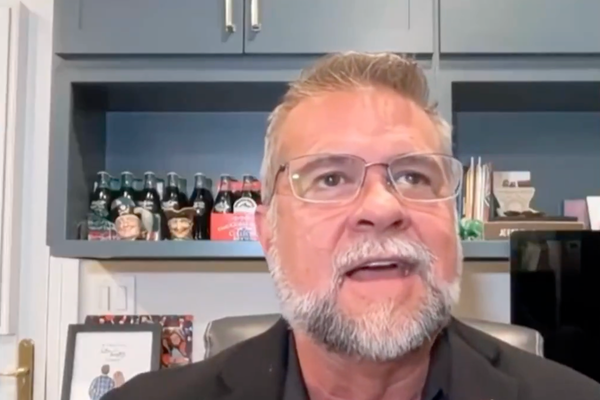
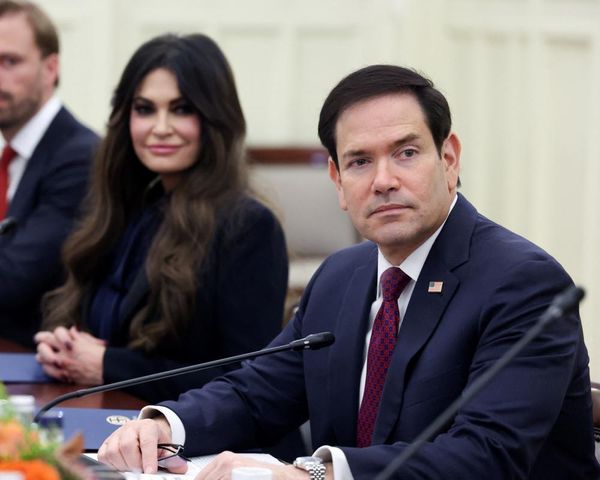
Axios' Mike Allen, Courtenay Brown, Neil Irwin and Hans Nichols spoke with former World Bank Group president David Robert Malpass, Sen. Dave McCormick (R-Pa.), Sen. Chris Van Hollen (D-Md.) and National Economic Council director Kevin Hassett at the event, sponsored by the Bank of America.

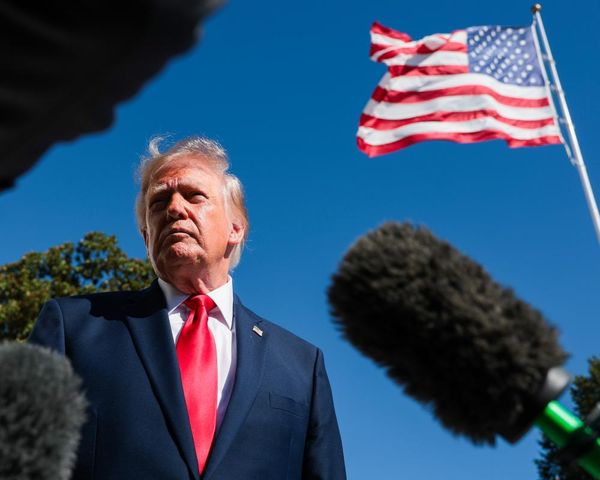
Driving the news: President Trump had imposed a blockade on the Strait of Hormuz April 13 that drove oil and gas prices higher.

  • "Obviously it's an ongoing negotiation hopefully, there's been a lot of movement over the last week or so … the president signaled at the beginning that it would be a 4 to 6 week process … and I think we're close to that," Hassett said.
  • "The Iranians are at a point where they're significantly at risk if they don't make a deal, because all of their storage facilities are full and they'd have to shut down the wells."

What they're saying: "It's a clear supply shock, and so that does have consequences not just in oil and natural gas, but in other products that were coming through the Strait of Hormuz. That takes time for the world to adjust," Malpass said. "But my observation is markets are really good at adjusting to a supply shock."

  • "The energy share of GDP has dropped so much that it's just not as disruptive," Hassett said.
  • "I'm not minimizing the stress that people have for higher gas prices … but the ability for our resilient global economy to recover quickly is pretty well-documented," Hassett added.

State of play: McCormick said that he thinks that the AI revolution is "probably the most profound moment of change in human history," likely tripling energy demand in the next 15 years.

Zoom out: "Listening to some of my colleagues' quiet remarks, and looking at the sentiment of the American people, they are opposed to this war," Van Hollen said.

  • "I have also made clear that I won't appropriate another penny to keep this illegal war going," he said.

Content from the sponsor's remarks:

In a View From the Top conversation, Bank of America head of global economics research Claudio Irigoyen shared how the war in Iran is impacting their economic forecast.

  • "We changed our macro forecast about a week ago trying to capture what happened so far," Irigoyen said.
  • "Now we expect 3.1% global growth from 3.5% before the war."
Sign up to read this article
Read news from 100's of titles, curated specifically for you.
Already a member? Sign in here
Related Stories
Top stories on inkl right now
Our Picks
Fourteen days free
Download the app
One app. One membership.
100+ trusted global sources.