Get all your news in one place.
100's of premium titles.
One app.
Start reading
The Economic Times
The Economic Times

Avammune’s big bet: Why the future of cancer treatment may come in a pill

In the fight against cancer, CAR-T therapy and checkpoint inhibitors are two powerful types of immunotherapies that help the immune system fight cancer. CAR-T is like a custom-made special forces team. Doctors take a patient’s own T-cells (killer immune cells), genetically modify them in a lab to specifically recognize and attack that person’s cancer, multiply them, and infuse them back into the body. It’s highly personalised and has shown dramatic results, especially in blood cancers like lymphoma and multiple myeloma. They have shown little to no impact in solid tumors which account for 90 - 95% of all cancers.

Checkpoint inhibitors, on the other hand, are like removing the brakes from your immune system. Cancer cells often hide by sending “don’t attack me” signals. Drugs (such as Keytruda or Opdivo) block those signals, allowing the patient’s natural T-cells to recognize and attack the cancer more aggressively. They are easier to administer (usually as an IV drug) and work well for many solid tumors like melanoma, lung, and kidney cancer; however, over 60% of cancers still do not respond to them. In short: CAR-T reprograms your immune cells, while checkpoint inhibitors unleash the ones you already have.
Cancer care, however, today stands at a crossroads. While breakthrough therapies such as immunotherapy and CAR-T have transformed treatment outcomes globally, their high costs, limitations against many types of cancer and complex delivery models continue to place them beyond the reach of many patients in emerging markets. Against this backdrop, Indian biotech startup Avammune Therapeutics is pursuing a different path-developing affordable, orally administered cancer therapies that harness the body's innate immune system while aiming to make cutting-edge oncology treatments more accessible.

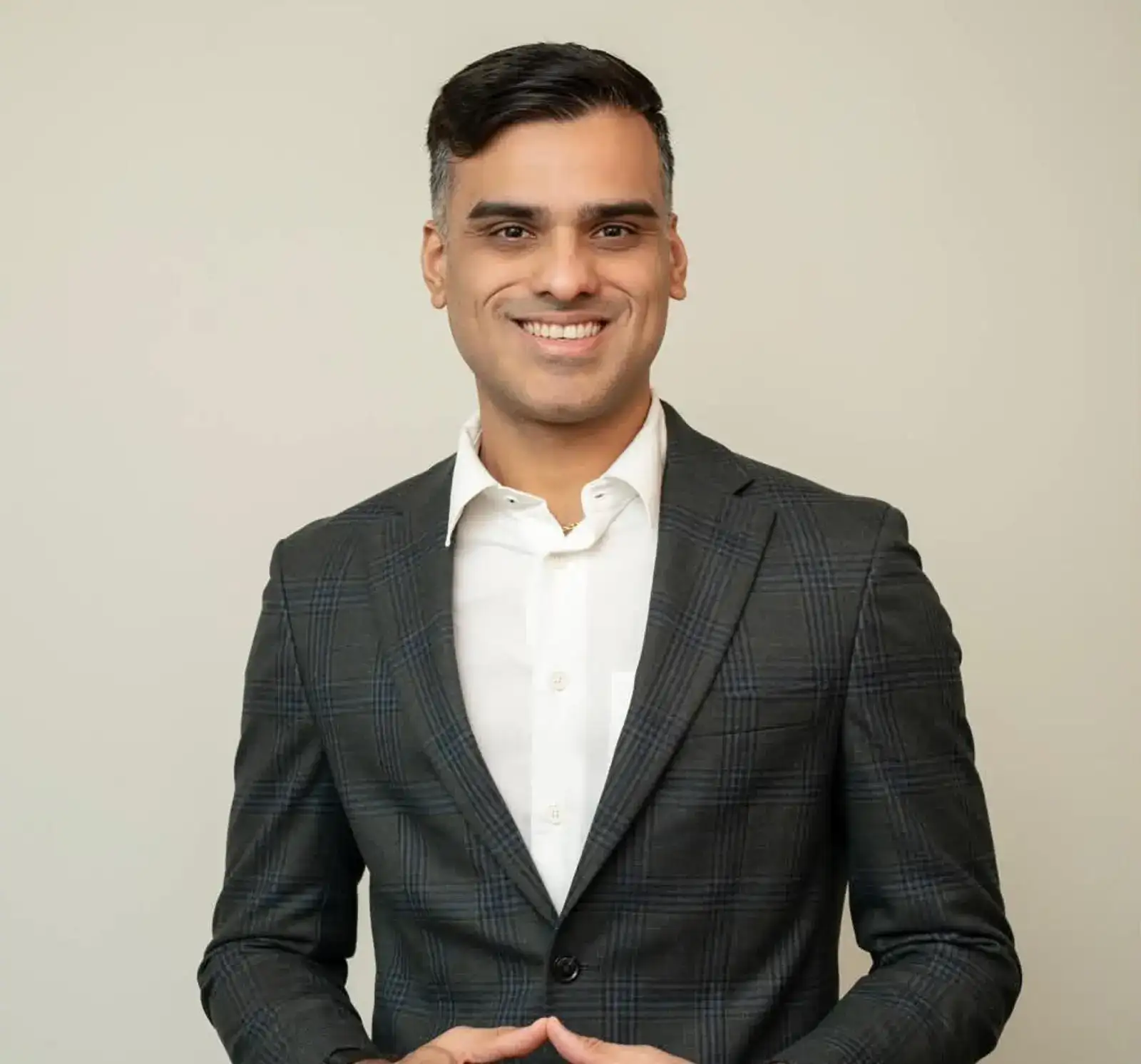
In this conversation with Economic Times Digital, Dr Aditya Kulkarni, Founder and Chief Scientific Officer at Avammune Therapeutics, discusses the company’s founding vision, the science behind its lead candidate AVA-NP-695, the promise of innate immunity in cancer treatment, and what it will take for India to emerge as a global drug discovery powerhouse. Edited excerpts.

Economic Times (ET): What was the original insight or frustration that led to the creation of Avammune Therapeutics in 2020? Was there a specific moment when you felt current cancer therapies were failing too many patients, especially in emerging markets like India?

Aditya Kulkarni (AK): By 2020, cancer care had been transformed by a wave of breakthroughs. The checkpoint inhibitors Keytruda (Merck) and Opdivo (Bristol Myers Squibb) won approval in 2014, and the first CAR-T therapy, Kymriah (Novartis), followed in 2017. Yet for most patients in India, these medicines remained out of reach, largely because of their prohibitive cost. The problem went beyond price. Drugs like Keytruda and Opdivo must be infused intravenously under supervision at a healthcare facility, while CAR-T demands extensive patient preconditioning and is highly bespoke to each individual. We founded Avammune to close that gap, to make immunotherapy genuinely accessible to patients in India and other emerging markets by making it affordable and available as a tablet that can be taken at home.

ET: The global oncology industry has largely focused on biologics, checkpoint inhibitors, and CAR-T therapies. Why did you choose to bet on small molecules and innate immunity instead of following the mainstream path?

AK: While biologics such as checkpoint inhibitors and CAR-T therapies have demonstrated tremendous success, small molecules still offer several advantages with cost being the primary factor. Small molecule-based drugs can be developed and produced at significantly lower costs than biologics and the costs go down even further upon turning generic. From a disease impact perspective, despite their efficacy and durability, checkpoint inhibitors can only treat 30 – 40% of cancers and a majority of cancers do not respond to any form of immunotherapy. There has been tremendous evidence showing that activating the innate immune system (the first line of defense of the human body against pathogens) can make non-responsive cancers responsive. On the other hand, CAR-T has been able to demonstrate impact (and is approved) only for certain hematological (blood cancers) whereas over 90% of patients diagnosed with cancer in India (and globally) are solid tumor patients. Therefore, there is still a huge unmet medical need when it comes to solid tumors and hard-to-treat or immune-checkpoint refractory tumors such as Osteosarcoma, Pancreatic cancer, Prostate Cancer, Glioblastoma (Brain Cancer), etc.

ET: How did the three founders — Arun B. Papaiah, Dr. Aditya Kulkarni, and Srinivasan Namala — come together? What complementary strengths did each of you bring to the table?

AK: Arun and I have been friends for close to 25 years and studied undergraduate together at Christ University, Bangalore. We met Srinivasan Namala through common friends in 2014 and decided to partner together immediately. Namala invested the first seed money in our first venture together (Oraxion Therapeutics, 2014 – 2018) and has been a Co-founder in all ventures since 2014. We bring a unique and complimentary skill set that spans business strategy, commercial scaling, finance & operations apart from the scientific base. Namala is a pharmacist by training with a Master’s in Pharmaceutics from Northeastern University (US), a successful entrepreneur who scaled a specialty chemicals manufacturing business that exited to Bain Private Equity in 2023, and a prolific investor with investments in over 50 startups across deeptech, consumer, spacetech, etc. He brings strategic acumen and expertise in commercial scaling. Arun is a business graduate with an MBA from Royal Melbourne Institute of Technology (Australia) with expertise in finance, operations and business development. I am scientist by training with a Masters from University of Leeds (UK) and PhD from Purdue University (USA). I have over 15 years of experience in the chemical biology and drug discovery space and an author of over 20 peer reviewed international publications and inventor of over 10 international patents.

ET: Every biotech startup has an “origin story” beyond science. What did the first six to twelve months look like at Avammune? Where did the initial funding come from, and how difficult was it to convince investors to back an early-stage oncology platform?

AK: Once the founding team was convinced of the thesis behind Avammune, Srinivasan backed it with seed capital. Having a founder invest his own money early proved decisive, also giving other investors’ confidence in both the promise of the pipeline and the conviction of the team building it.

ET: Drug discovery is often described as a long, expensive, and uncertain journey. What were the toughest early challenges that nearly derailed the company?

AK: Just when our lead asset AVA-NP-695 was in the optimization stage, Covid-19 hit and there were lockdowns. This set the work back by several months and even after starting up things slowed down significantly due to disruption in the global supply chain. The entire Covid-19 period set the company back by over 1 year.

ET: Immunotherapy has transformed cancer care in the West, but affordability remains a major issue in countries like India. Was accessibility and cost reduction part of the business model from day one, or did that become a sharper focus later?

AK: Affordability and access were built into the business model from day one-they were the very reason we founded the company. India has never lacked scientific talent; even today, much of the biotech research conducted by major global pharma is outsourced to Indian CROs. Yet the drugs born from that research are commercialized first in the West and only later reach India. From the outset, we held a dual focus: developing drugs for Indian patients while partnering with global pharma leaders for commercialization outside India.

ET: Your lead asset, AVA-NP-695, targets innate immunity rather than adaptive immunity. For a non-scientific audience, how is this approach fundamentally different from therapies like Keytruda or CAR-T?

AK: CAR-T is a bespoke and personalised form of therapy that works (as of today) and has been approved only for hematological (blood) cancers. This requires apheresis of the patient’s own cells and then genetically modifying the T-cells (subset of immune cells) so that they can find and eliminate the cancer cells upon being re-administered to the patient. CAR-T therapy is as much a process as a drug. Keytruda and other checkpoint inhibitors on the other hand are monoclonal antibodies (engineered protein-based drugs) that are administered intravenously and have shown tremendous impact in about 30 – 40% of solid tumors.

Cancers have the ability to express in high levels a protein known as PDL-1 that acts as a break for the immune system and specifically T-cells from attacking them. Drugs such as Keytruda work by taking the breaks off and allowing the T-cells to attack cancer. These drugs therefore activate only the adaptive arm of the immune system. AVA-NP-695 works by conditionally modulating the STING (Stimulator of Inteferon Genes) pathway which is one of the body’s primary defense mechanisms against infections and activates both the innate and adaptive arms of the immune system. Therefore, unlike checkpoint inhibitors where the efficacy is dependent only on T-cells, AVA-NP-695 activates a host of immune cells such as T cells, Dendritic cells, Natural Killer Cells, Macrophages and Monocytes.

ET: Many experts believe the next big frontier in oncology will come from understanding the innate immune system better. What convinced you that this was the right scientific direction before it became a broader industry trend?

AK: In 2019 – 2020, when Avammune Therapeutics was in the founding stages, early data from the preclinical research showed the promise of innate immune modulators in cancer and especially benefits of activating the STING pathway. Studies in animals demonstrated that the cancer could be cured completely. Several biotechs and pharma companies jumped into the fray with acquisitions and licensing deals.

Soon after, early clinical data in patients showed that these drugs that were administered locally into the tumor had an impact on injected tumors but not on metastatic disease. Based on these insights we decided to look at ways to activate the innate immune system better while also ensuring these medicines can be administered in a tablet/pill form.

ET: Daraxonrasib has generated global excitement because it appears to finally crack the long-standing “undruggable KRAS” problem in pancreatic cancer, with trials showing significantly improved survival outcomes. Do you believe this marks the beginning of a broader shift toward orally available targeted cancer therapies? How closely is Avammune Therapeutics tracking these developments, and do they validate your own scientific thesis around next-generation immuno-oncology?

AK: KRAS targeting drugs such as Lumakras (Amgen) have been approved as early as 2021 and several more are in development. The expectation in the broader scientific community always was that drugging KRAS would result in benefits in cancers that are considered untreatable. Oral therapies in general have always been the “holy grail” of medicine and especially in cancer these oral therapies have the ability to turn cancer treatment into a “manageable at home” disease from one that requires frequent hospital visits. At Avammune Therapeutics we are closely tracking not just these but several developments in the oncology space such as other forms of Targeted Therapy, Antibody-Drug Conjugates and Radioligand Therapies and the company’s pipeline also parallels this shift.

ET: Small molecules are often seen as less glamorous compared to cutting-edge cell therapies. Do you think the biotech industry has underestimated the commercial and clinical potential of orally available cancer therapeutics?

AK: We believe small molecules have been and at least for the foreseeable future, will be the backbone of medicine regardless of the disease. Whether it is in oncology, autoimmune diseases or more recently in obesity, patients will always prefer tablets/capsules over multiple injections. Small molecules are the only modality in medicine that offer this advantage. More specifically in cancer therapeutics, small molecules form the backbone for most of the cutting-edge therapeutic modalities such as PROTACS/molecular glue degraders, Antibody-drug conjugates where the payload is a small molecule drug or Radioligand therapies where the targeting agent is most often a small molecule.

ET: One of the biggest criticisms of modern oncology is that breakthrough therapies remain inaccessible outside elite hospitals. How important is it for Avammune to eventually build drugs that can realistically reach district hospitals and middle-income patients?

AK: Avammune’s key focus has always been accessibility and affordability. We believe that indigenous innovation in India will allow for the drugs to be more affordable to Indian patients and being available in a tablet/pill format the drugs can reach district level hospitals too without supply chain concerns.

ET: India is increasingly talking about becoming a global drug discovery hub rather than just a generic manufacturing powerhouse. What structural gaps still exist in India’s biotech ecosystem : funding, talent, regulation, or research infrastructure?

AK: Biotech talent is abundant in India with several biotechs and large pharma companies already outsourcing their work to Indian CROs. The government has also set up several incubators across the country such as C-Camp, IKP-Hyderabad, Bangalore Bioinnovation Center and Venture Center Pune which allow access to cutting edge research infrastructure to startups. The key gaps that exist are in funding and regulation. With regards to funding, the government of India is already doing a lot with DBT-BIRAC administered funding, the Biopharma Shakti programme and the RDI fund however risk-based venture capital for advancing programs through the clinical trials is still missing. The other gap is in regulation where faster regulatory approval for clinical trials could greatly benefit the entire ecosystem. This is another gap that the government is currently working on addressing.

ET: How do you see initiatives like the government’s Biopharma Shakti programme changing the landscape for Indian biotech startups over the next decade?

AK: The Biopharma Shakti programme and the RDI fund both have the potential to be a gamechanger for Indian biotech startups. In recent times itself, biotech startups have been getting funding in millions of $s through the RDI fund which can be a huge boost for accelerating programs.

ET: How capital-intensive is your journey from discovery to commercialisation likely to be? Are you actively looking at strategic partnerships, licensing deals, or fresh fundraising rounds?

AK: Business development and strategic partnerships are a core focus at Avammune. While the company wants to take drugs to the patients in India, we are also mindful of the fact that we lack the reach of global pharma giants for other markets. Most importantly drug development is not just capital intensive but is also a team sport. Working with the large pharma companies of the world allows Avammune Therapeutics to learn from their decades of experience in translating discoveries to drugs.

Sign up to read this article
Read news from 100's of titles, curated specifically for you.
Already a member? Sign in here
Related Stories
Top stories on inkl right now
One subscription that gives you access to news from hundreds of sites
Already a member? Sign in here
Our Picks
Fourteen days free
Download the app
One app. One membership.
100+ trusted global sources.