Australian birds have suffered from a great vanishing since the time of European colonisation, with large parts of the country now missing some of their most delightful creatures, a new study has found.
The study compared the historical and current habitats of 73 birds now formally listed as threatened species.
"A whopping 69 per cent of the country is missing some of its most enigmatic bird species," said Michelle Ward from the University of Queensland's School of Earth and Environmental Sciences.
Some areas have lost a single species but many others have lost up to 17.
"The Mount Lofty Ranges (in South Australia) is a horrific story," said Dr Ward.
"They've lost species that are still common in southeast Queensland like bush stone-curlew, the azure kingfisher, the barking owl. They also used to have regent honeyeaters and swift parrots all of which are gone."
The study, led by the The University of Queensland, Charles Darwin University, WWF Australia and Australian Wildlife Conservancy, used a vast library of material to map out and compare current habitats with historical ones.
Dr Ward said the study showed how crucial it is to protect what's left and regenerate habitat destroyed by urbanisation, forestry, farming and mining.
Of the 73 threatened species that were part of the research, two vividly demonstrate the trend.
The eastern star finch used to be found from northern NSW to the Burdekin River in Queensland but it hasn't been seen in almost 30 years and scientists say it's probably extinct.
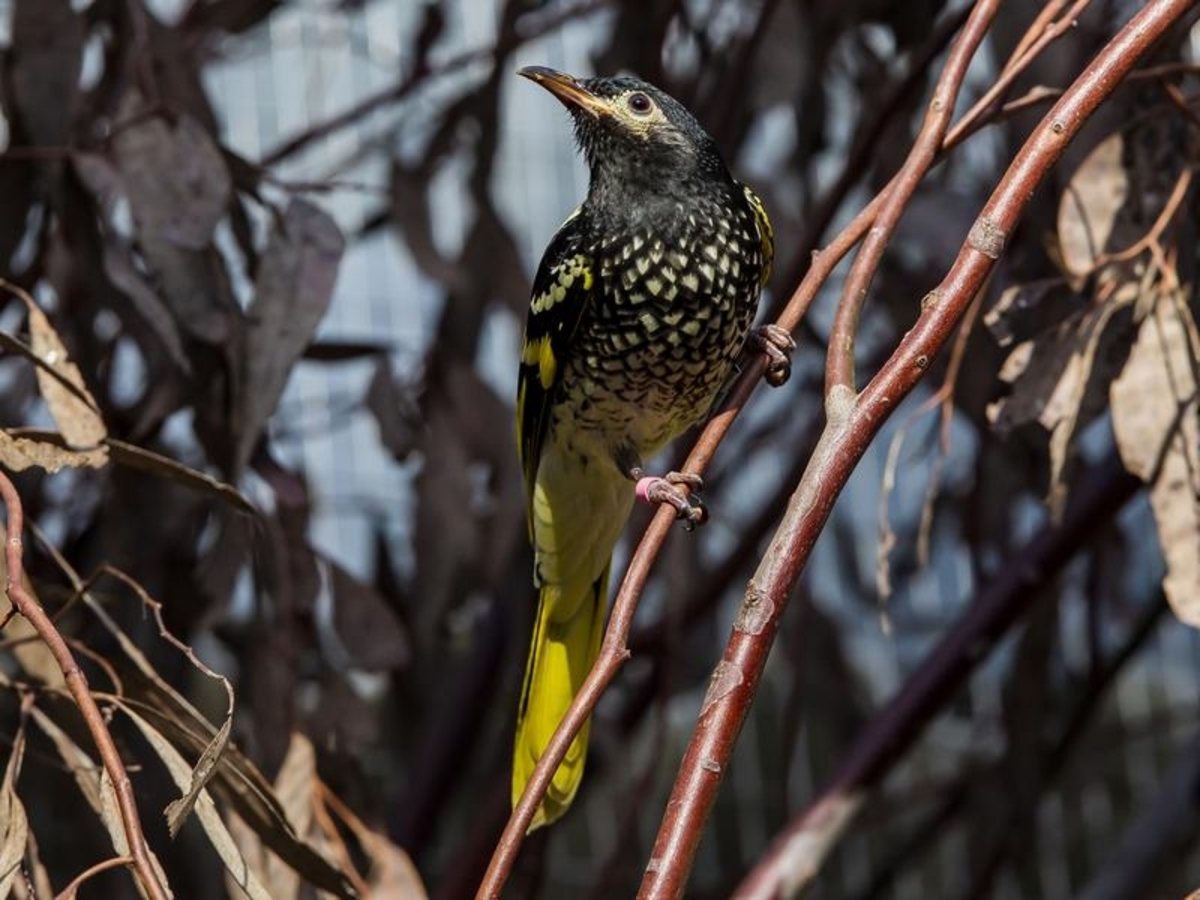
"The regent honeyeater used to be in flocks of thousands across Adelaide to north of Brisbane. It's now down to less than 100 pairs breeding at just three sites in NSW," Dr Ward said.
"Before this study, there wasn't a great appreciation of what the bird fauna might have been in some areas, and what has disappeared, but - sadly - our once bird-rich continent is no more."
The research has been published in the peer-reviewed journal, Environmental Research Letters.