What we learned, Friday 2 September
And with that, we are going to put the blog to bed. Thank you for spending Friday with us.
Before we go, let’s recap the big stories.
NSW rail unions refused the state government’s demand to halt industrial action and warned that more could be on the way.
The home affairs minister, Clare O’Neil, announced at the jobs and skills summit that the government will lift the migration cap to 195,000.
The federal government committed $36.1m to clear the visa backlog, with 500 staff to be added over nine months.
Anthony Albanese rejected calls to change the date of Australia Day, saying his priority was constitutional recognition of First Nations people.
The assistant treasurer, Stephen Jones, released new super transparency rules for superannuation funds.
Rachel Noble, the first woman to head up an Australian intelligence agency, spoke at the Lowy Institute, saying the glass ceiling in Australian intelligence was “actually a concrete block”.
A tram was derailed in Melbourne’s CBD after it collided with a truck.
The NSW transport union sought an immediate hearing in the Fair Work Commission to force the state government to continue bargaining.
Labor announced at the jobs summit that it will adopt Peter Dutton’s plan to relax work tests for pensioners, a policy change the treasurer said would cost $55m.
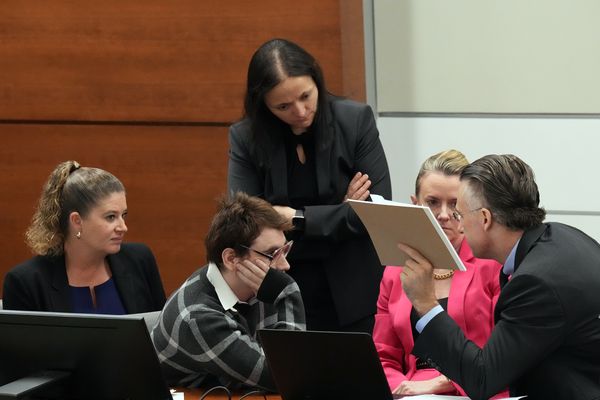
Terence Darrell Kelly, the man who admitted to abducting four-year-old Cleo Smith in WA, is to be sentenced in December.
The Albanese government outlined key outcomes from the jobs and skills summit, including gender equality and pay gap measures, providing age pensioners with a temporary upfront $4,000 bank credit to enable them to work and earn more before their pension is reduced, and strengthening the Respect@Work council.
Key housing affordability advocates welcomed Anthony Albanese’s $575m commitment to expand the national housing infrastructure facility to social and affordable housing.
We will be back tomorrow to do it all again – until then, stay safe.
Updated
Councils in migrant communities concerned about increased immigration
Increasing Australia’s migration intake without improving key services will increase the strain on housing, hospitals and schools as well as inflation, councils in migrant communities have said.
Updated