What we learned, Friday 19 December
We’re going to wrap our day’s live news coverage there. Here are the main headlines from today:
The prime minister, Anthony Albanese, announced a national buyback scheme for firearms.
There are still 15 patients receiving hospital care in Sydney for injuries sustained in the terror attack on Sunday, according to NSW Health.
Funerals for people killed in the attack on Sunday continued today, including for Boris and Sofia Gurman and Edith Brutman.
Seven men detained in Sydney’s south-west last night in connection with possible planned violence were released from custody today without charge, pending further investigations.
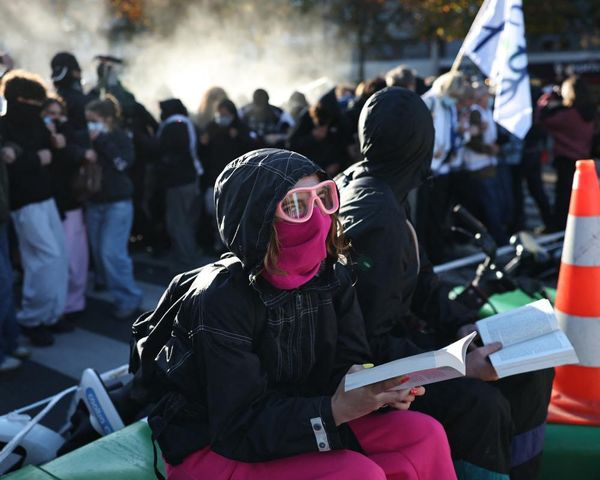
The NSW premier, Chris Minns, has said pro-Palestine demonstrations are “unleashing forces in our community that are not being contained”.
The NSW Greens have objected to the plans for further restrictions on public protest, saying it is “authoritarian overreach” and would be “the most radical limits on peaceful assemblies in Australia’s history.”
NSW Police have warned they will embark on “a significant policing response to any large-scale public gatherings” over the weekend in the state.
The NSW treasurer, Daniel Mookhey, says the Palestinian resistance phrase “globalise the intifada” should be considered hate speech as governments consider tougher laws on what can be said in public.
Thousands of surfers paddled out into the water at Bondi Beach this morning to pay tribute to the victims of Sunday’s terror attack.
Flags on all New South Wales and Australian government buildings will be flown at half-mast on Sunday as a mark of respect for the victims of the terror attack on Sunday.
Thanks so much for your company today. Look after yourselves this weekend and go gently.
Updated
NSW Health responds to cybersecurity report
We reported earlier that an auditor general’s report had found NSW local health districts were not meeting the minimum NSW government cybersecurity requirements.
NSW Health has responded to the report, with a spokesperson saying the agency takes cybersecurity very seriously, and has “a comprehensive program in place to prevent, detect and respond to cybersecurity issues” led by eHealth NSW.
The spokesperson said:
We are continuously strengthening these measures to ensure a proactive, resilient approach to emerging risks in this quickly evolving landscape.
We welcome the Audit Office of NSW’s final report on cyber security and accept all six recommendations.
Significant progress has already been made on each recommendation, and we are on track to meet the report’s deadlines. Actions include: reviewing roles and resourcing; educating staff on safeguarding patient data; implementing risk frameworks to enhance oversight and controls.
Earlier this year, eHealth NSW established a cybersecurity taskforce to drive this work, alongside our cybersecurity uplift programme, which is enhancing capacity, compliance and resilience across the health system, now and into the future.
Updated