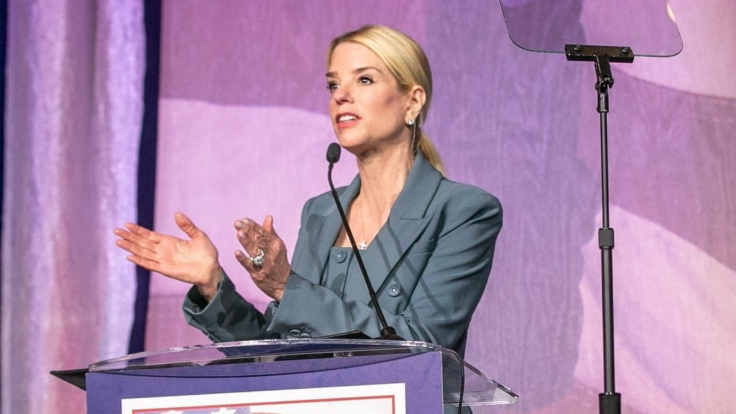
Attorney General Pam Bondi has claimed the US Department of Justice is investigating what she describes as a decade-long election conspiracy involving the Obama and Biden administrations, remarks that have intensified political debate in Washington and drawn international attention as the US heads into another contentious election year.
Bondi's comments, made in late December, centre on allegations of long-running government weaponisation linked to multiple election cycles. She said federal prosecutors and law enforcement agencies have been instructed to examine what she characterised as coordinated misconduct stretching back roughly ten years, framing the issue as an 'ongoing conspiracy' rather than isolated incidents.

Bondi Outlines Alleged Pattern of Election Interference
According to Bondi, the Justice Department is assessing claims that federal institutions were used unevenly during past elections, including decisions related to intelligence handling, investigations and prosecutorial discretion. She argued that treating the matter as ongoing allows investigators to examine conduct across administrations rather than limiting scrutiny to individual cases.
Bondi has not publicly named specific criminal defendants or announced formal charges in connection with her remarks. She has also not released detailed evidence to support the claims, instead emphasising that reviews and investigations are underway across multiple jurisdictions.
The attorney general further alleged that some high-profile figures were shielded from scrutiny while others were aggressively investigated, a claim that echoes longstanding political arguments made by allies of Donald Trump. Those assertions have previously been rejected by Democratic leaders and by former officials from the Obama and Biden administrations.
DOJ Investigations and Earlier Reporting
Bondi's latest statements follow earlier reporting in August that she directed federal prosecutors to pursue a grand jury investigation related to allegations surrounding intelligence assessments of the 2016 US election. At that time, the Justice Department was also reported to be forming a strike force to evaluate claims that intelligence agencies had been 'weaponised' for political purposes.
The 2016 election remains central to the dispute. A US intelligence community assessment released in January 2017 concluded that Russia sought to interfere in the election to harm Hillary Clinton and boost Donald Trump. The assessment stated there was no evidence that the interference altered voting outcomes, and Russia denied the allegations.
Those findings have since been repeatedly challenged by Trump and his supporters, while intelligence officials involved in the assessment have stood by its conclusions. Bondi's framing of a wider, decade-long conspiracy places those earlier disputes within a broader narrative of alleged systemic misconduct.
Political Response and Scrutiny
Democratic figures and allies of Barack Obama and Joe Biden have dismissed similar claims in the past as baseless and politically motivated. Following Bondi's latest remarks, critics have again questioned the lack of publicly disclosed evidence and warned against undermining confidence in US democratic institutions.
Legal analysts have also noted the difficulty of proving a conspiracy spanning multiple administrations without extensive documentation and testimony. Some have suggested Bondi's comments raise questions about how prosecutors would define criminal liability over such a prolonged period.
Timing Amid Epstein File Controversy
The timing of Bondi's remarks has drawn additional scrutiny because they coincide with renewed controversy over the Justice Department's handling of documents related to Jeffrey Epstein. Earlier this month, the department acknowledged delays in releasing Epstein-related files required under the Epstein Files Transparency Act, citing the discovery of more than one million additional documents requiring review.
Bondi has faced criticism from both political opponents and some supporters over the pace of those disclosures. The Justice Department has said further time is needed to review the material and apply legally required redactions, rejecting suggestions that the delay is politically motivated.
As investigations continue, Bondi's claims are likely to remain a flashpoint in US political discourse, with supporters viewing them as a long-overdue reckoning and critics warning they risk deepening mistrust in the justice system.