
What you need to know
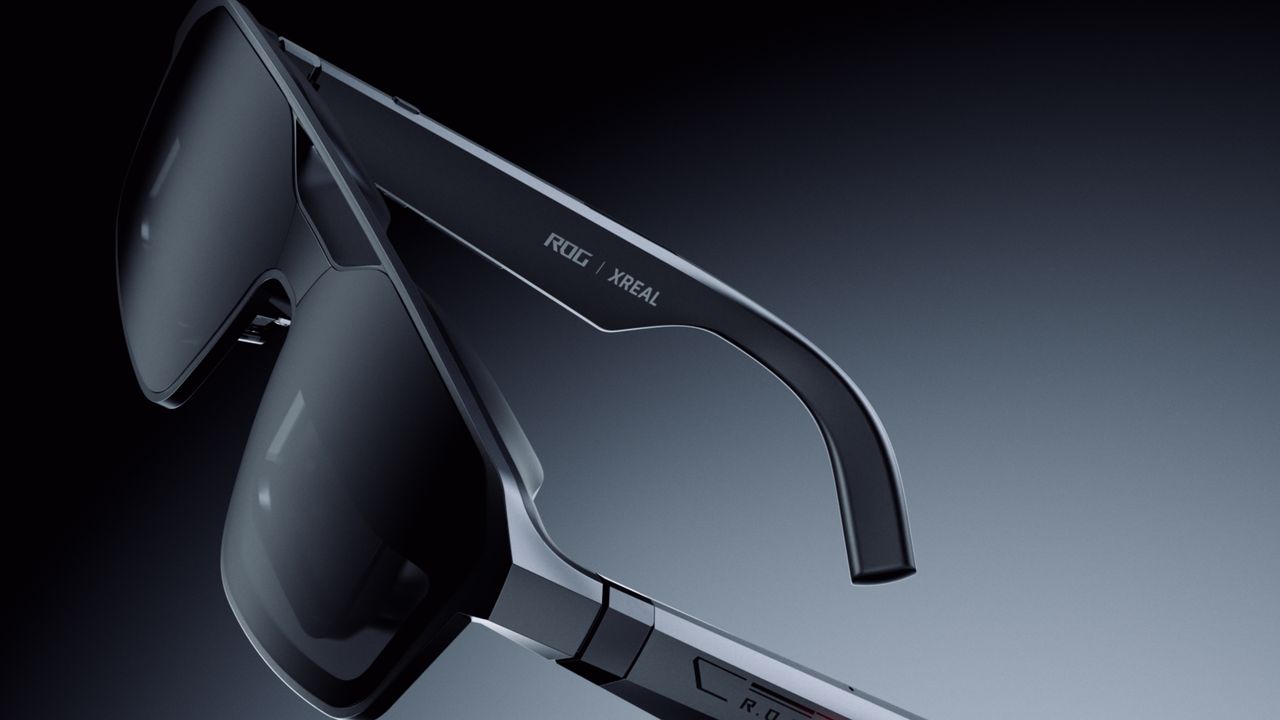
- Asus and Xreal are showing off the ROG Xreal R1 AR gaming glasses, which are low-latency FHD display glasses purpose-built for gaming handhelds, PCs, and consoles.
- The ROG Xreal R1 AR gaming glasses support plug-and-play USB-C connection with the ROG Ally, and wide compatibility with HDMI and DisplayPort devices using the ROG Control Dock.
- The glasses can project a 171-inch virtual display at up to 240Hz refresh rates with merely a 2ms motion-to-photon latency.

Gaming handhelds and smart display glasses are the perfect companions. PC gaming handhelds (and Android gaming devices, too) provide power and portability, while display glasses let you view your games on a virtual big screen looking straight ahead for ergonomics. Lenovo showed off this concept with the Legion Glasses Gen 2, but now, Asus and Xreal are partnering to take gaming display glasses to the next level at CES 2026.
They're called the ROG XREAL R1 AR, and these display glasses use 240Hz micro-OLED 1080p displays. Asus and Xreal says these are the first gaming glasses to ever meet these specifications. For comparison, the Legion Glasses Gen 2 max out at 120Hz, while the ROG XREAL R1 can supply a refresh rate twice as fast. The glasses can project a 171-inch virtual screen from about 13 feet away, with a 57-degree field-of-view.
The glasses come with an ROG Control Dock to manage compatibility with a variety of device types, from gaming PCs and handhelds to consoles or Android phones. Of course, the gaming glasses are optimized for Asus' own lineup of handhelds, including the ROG Ally and ROG Ally X. The included dock supports DisplayPort 1.4 and two HDMI 2.0 ports with easy multi-device switching.
The glasses use USB-C to connect directly to mobile devices, including the Asus ROG Ally. The company says the experience is "plug-and-play" with "zero setup required" for the ROG Ally. The glasses include a spatial coprocessing X1 chip that is used to manage screen sizes, perceived distance, and more with a single button press.

The ROG Xreal R1 weighs only 91 grams for portability, and the electrochromatic lenses can tint situationally.
Bose is handling the audio here, with "precision-tuned spatial sound." In all, Asus, Xreal, and Bose have contributed to the ROG Xreal R1, and this could very well become the biggest XR collaboration of 2026.
We're still waiting to learn a bit more about the ROG Xreal R1. It's expected to ship globally in the first half of this year, but concrete pricing and available details are to-be-announced. Additionally, it's unclear whether prescription inserts will be supported.