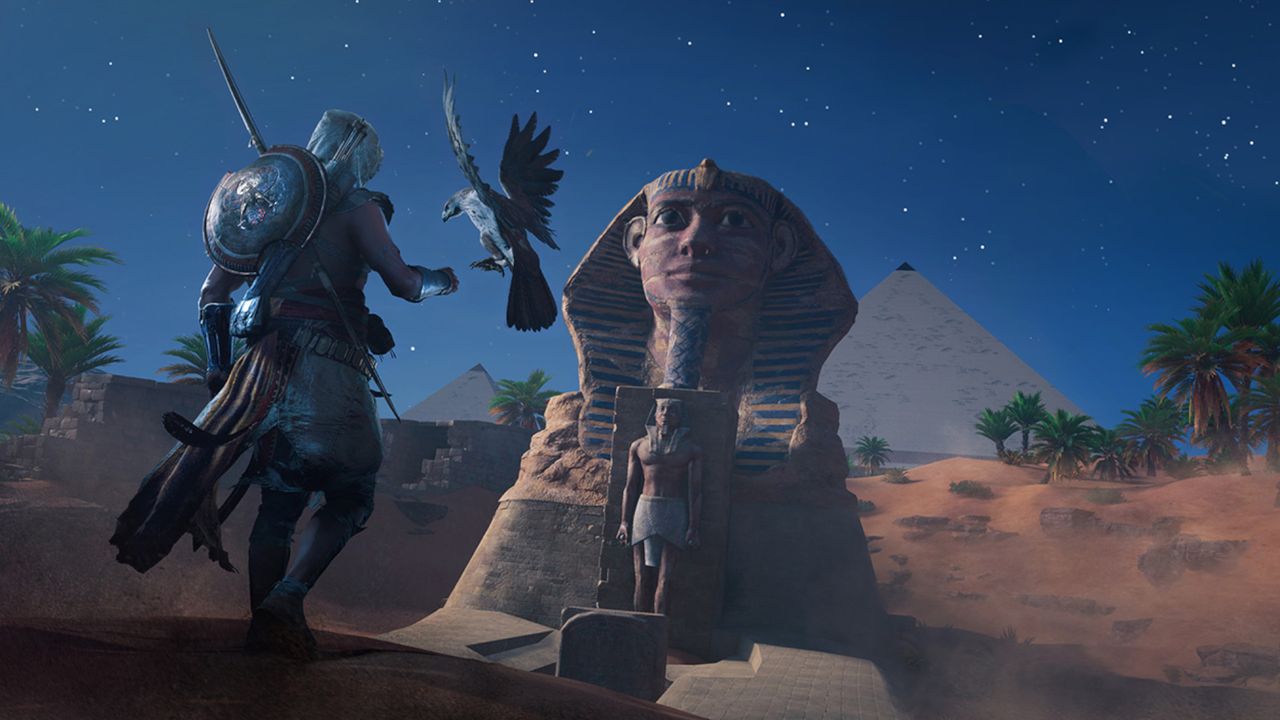
A core part of Assassin's Creed's appeal lies in the opportunity to explore massive open worlds based on real historical locations. Longtime Ubisoft art director Thierry Dansereau, who worked on Assassin's Creed titles like Syndicate, Odyssey, and Shadows, recognizes that fact and adds that the opportunity for players to explore history at their own pace is an important part of the series' legacy.
"History is such a large playground for Assassin's Creed games, that to be able to talk about it, together, really tells a lot, for me at least," according to Dansereau, speaking at a series anniversary event attended by GamesRadar+. "For many people, it's a way to revisit places that no longer exist, places [that] encircle moments in human life. And I think video games allow that now – for you as a player to experience in your own way and at your own pace. And I think this is why this franchise is so great. It's based on historical knowledge, so it's a great way to learn."