Get all your news in one place.
100’s of premium titles.
One app.
Start reading
Fortune
Fortune
Angelica Ang

Asian aviation stocks plunge as Iran conflict forces airlines to cancel flights over Middle Eastern airspace

(Credit: Kevin Carter—Getty Images)

Asian airline stocks plunged on Monday, part of a broader market reaction to the U.S. and Israel’s decision to strike Iran over the weekend. 

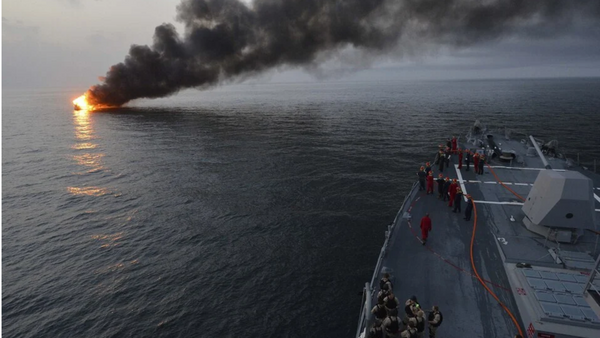
The conflict, particularly Iran’s retaliation by firing missiles into neighboring countries like the United Arab Emirates, pushed airlines to cancel hundreds of flights to the Middle East. Three major airports—Doha in Qatar, and Dubai and Abu Dhabi in the United Arab Emirates—halted operations in response to the conflict. (The Dubai and Abu Dhabi airports also suffered damage from the strikes.)

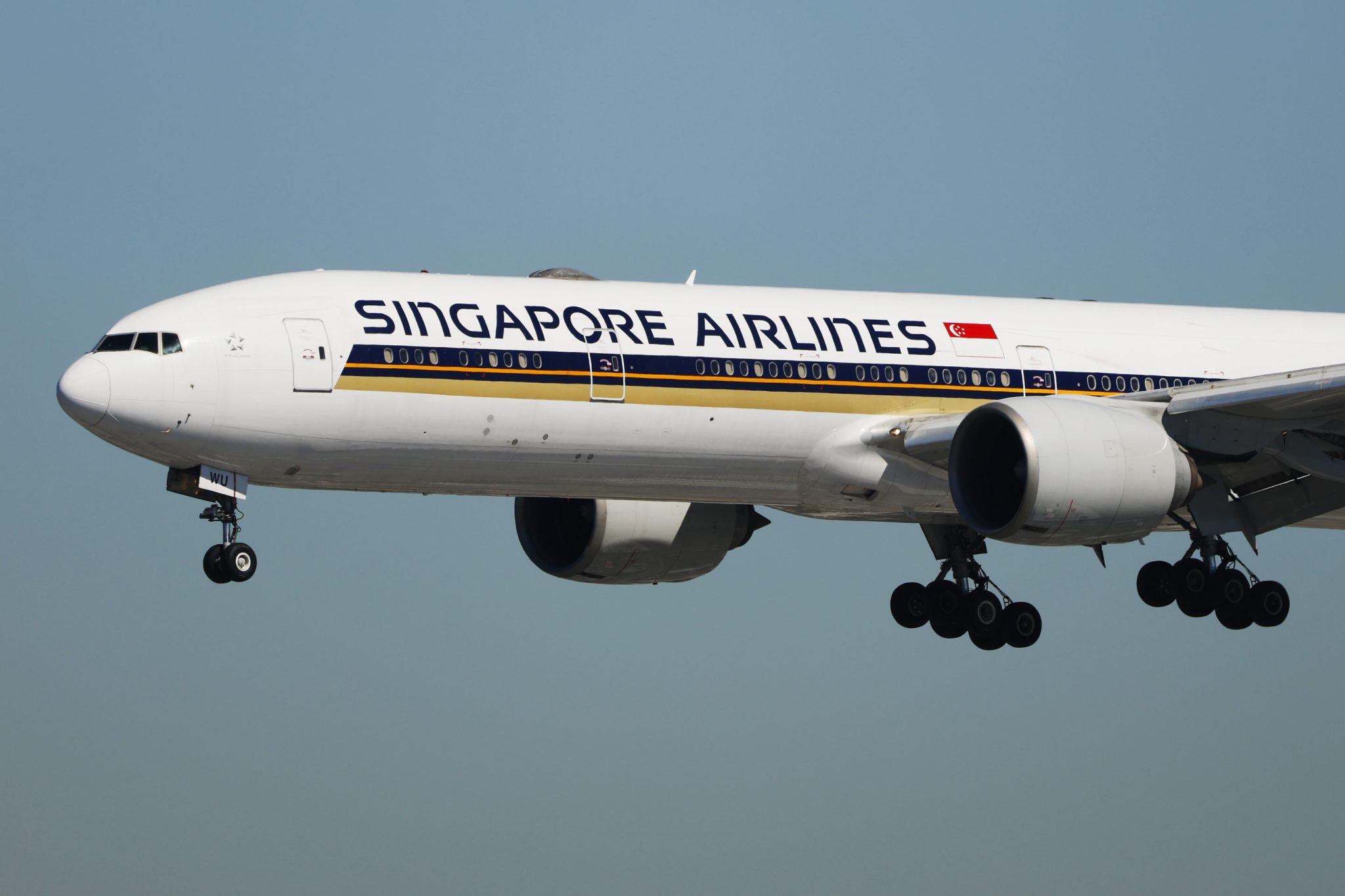
Shares in Singapore Airlines are down by 4.5% as of 11:00pm Eastern time. Australia’s Qantas and Hong Kong’s Cathay Pacific are down by 5.4% and 2.8% respectively. Japan Airlines, one of the country’s two major carriers, also fell by 5.6%.

In a March 1 statement, Singapore Airlines said it canceled a total of 16 flights between Feb. 28 and Mar. 7, which ply the Singapore-Dubai route. Its budget subsidiary, Scoot, also momentarily ceased flights between Singapore and the Saudi Arabian city of Jeddah.

Asian markets slumped overall. Hong Kong’s Hang Seng Index is down by 1.6%, while Singapore’s Straits Times Index dropped by 1.8%. Japan’s Nikkei 225 index fell by 1.4%. (South Korea’s markets are closed today)

Conversely, Asia-Pacific defense stocks rose, part of a longer-term boom in the industry amid a global surge in defense spending. (In 2025, global military spending reached a record high of $2.6 trillion, according to the International Institute for Strategic Studies.)

Japan’s Mitsubishi Heavy Industries rose by 3.6%, while Singapore’s ST Engineering is up by 3.4%.

Some energy companies also rose due to expectations that the Iran conflict could affect oil shipments from the Middle East. Australia’s Woodside Energy is up by 5.4%, while Hibiscus Petroleum—Malaysia’s first listed independent oil and gas exploration company and No. 410 on the Southeast Asia 500—jumped by 13.1%.

Oil prices are up by more than 10%, with Brent Crude jumping as high as $82.37 per barrel in early trade—the highest since last January. West Texas Intermediate crude, the U.S.’ oil benchmark, also rose 6.95% to its highest point since last June, hitting $75.33 per barrel.

Sign up to read this article
Read news from 100’s of titles, curated specifically for you.
Already a member? Sign in here
Related Stories
Top stories on inkl right now
One subscription that gives you access to news from hundreds of sites
Already a member? Sign in here
Our Picks
Fourteen days free
Download the app
One app. One membership.
100+ trusted global sources.