
Huddled in the back of a café near the train station where a missile killed dozens of people a year ago, Nastya took slow, deliberate breaths to calm herself. Overnight, her neighborhood had been bombed again, and she just couldn’t take any more.
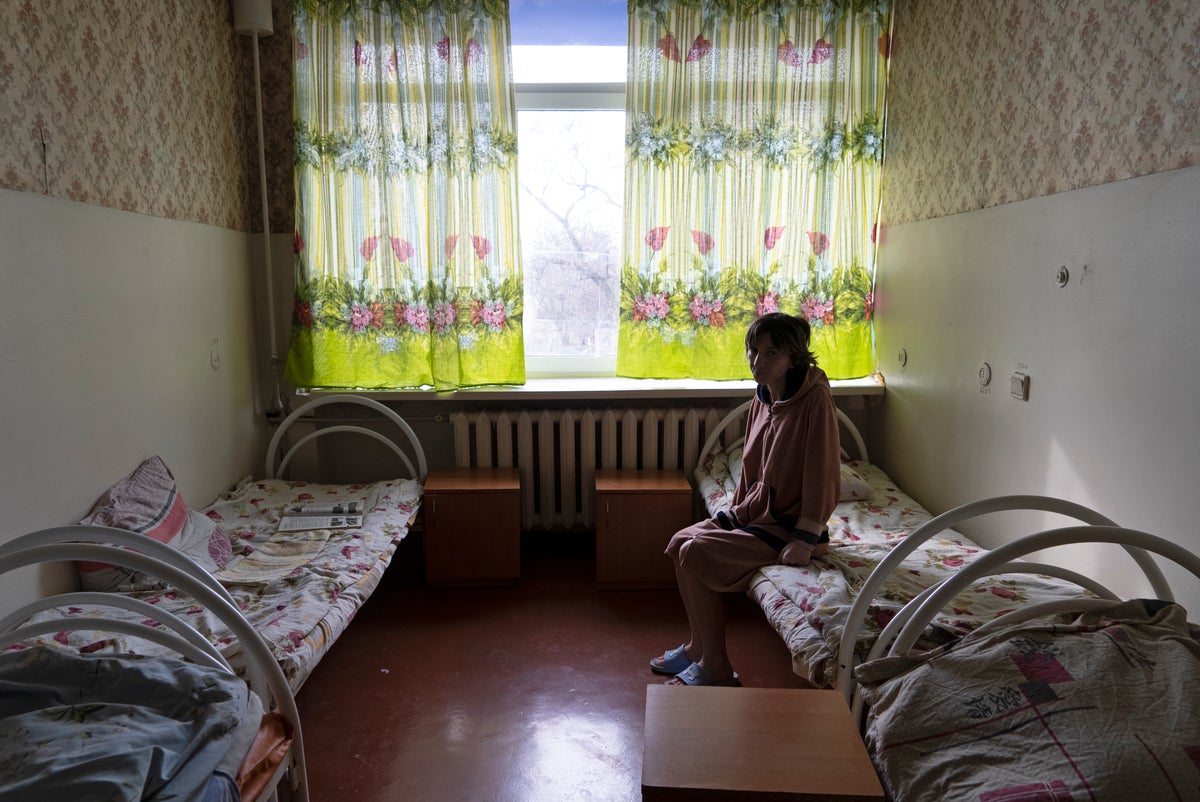
Heeding her parents’ advice, the 20-year-old woman had visited the nearby psychiatric hospital that morning — a place that also bore the scars of war after being repeatedly bombed, including by a missile that destroyed part of the building last September. But the staff swept up the shattered glass, shoveled away the debris and carried on working, determined to stay in Kramatorsk, in Ukraine’s eastern Donbas region, to help those in need.












