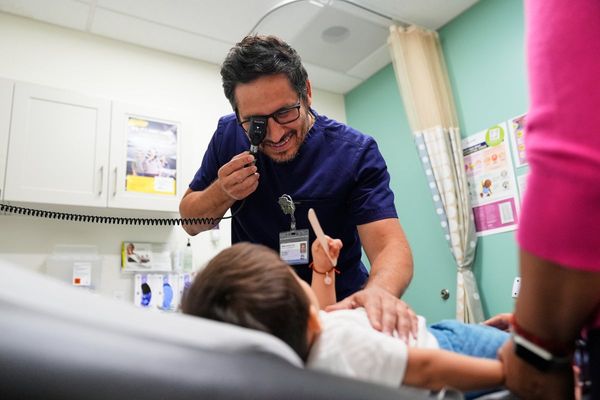
Every fall, the same scene plays out across the country: a parent learns, days before tryouts, that their child needs a signed sports physical on file — and the pediatrician's next opening is weeks away. That squeeze is pushing a growing number of families toward telehealth options such as SportSlip, which provides physician-reviewed sports and camp physical clearances online.
The preparticipation physical evaluation, or PPE, is required by most schools, camps, and youth leagues before a child can practice or compete. Demand peaks in late summer and again at the start of each new sports season, exactly when pediatric offices are busiest with back-to-school visits.
What changes when the physical moves online
Telehealth sports physicals replace the waiting room with a structured screening done at home. Parents answer a detailed medical history, submit their child's vitals, and record a short guided movement video. A physician then reviews the full record before deciding whether to clear the child, and the completed clearance is issued on the form the school or program requires.
Supporters argue the format can be more thorough on the part of the exam that matters most. National guidelines from the American Academy of Pediatrics and the American Heart Association place heavy emphasis on the medical history, especially questions about fainting during exercise, chest pain with exertion, and a family history of sudden death before age 50. Sudden cardiac arrest is the leading medical cause of death in young athletes, and its warning signs often show up in that history.
That history is also the part of the exam most likely to be cut short in a busy clinic. A structured digital intake can require every recommended question to be answered before the screening reaches the reviewing physician, so the checklist doesn't depend on how crowded the waiting room is that day.
Not a fit for every family
Online physicals have limits, and parents should know them upfront.
A remote review can't replace a hands-on exam when one is needed, such as evaluating a heart murmur or a recent injury. When an online screening turns up a concern like that, responsible services refer the child for in-person care instead of signing off.
Acceptance also varies. Camps and youth leagues generally accept clearances from licensed telehealth physicians, but many state high school athletic associations require their own form, completed after an in-person examination. The most useful step a parent can take is to look at the form before paying for any service: if it includes an examination table with boxes such as "Heart" and "Lungs," an in-person visit is likely required.
Parents can also check a few basics when choosing an online provider: whether a named, licensed physician reviews the screening, whether that physician is licensed in the family's state, and whether the clearance can be verified by the school.
A shift in how the exam gets done
For families with packed calendars, the appeal is clear: no appointment, no drive, and no waiting room in the weeks when every clinic is booked. The larger change may be about consistency. A structured screening follows the guidelines the same way for every child, rather than varying with how busy the clinic is.
As school sports and youth leagues continue to grow, the sports physical may be one more routine piece of medicine that families increasingly handle from home.