Good morning.
Yesterday’s unhappy inflation report sealed the deal: “brief and shallow” has been displaced by “higher and longer”—higher inflation and interest rates for a longer period of time. Investors and business leaders better get used to it.
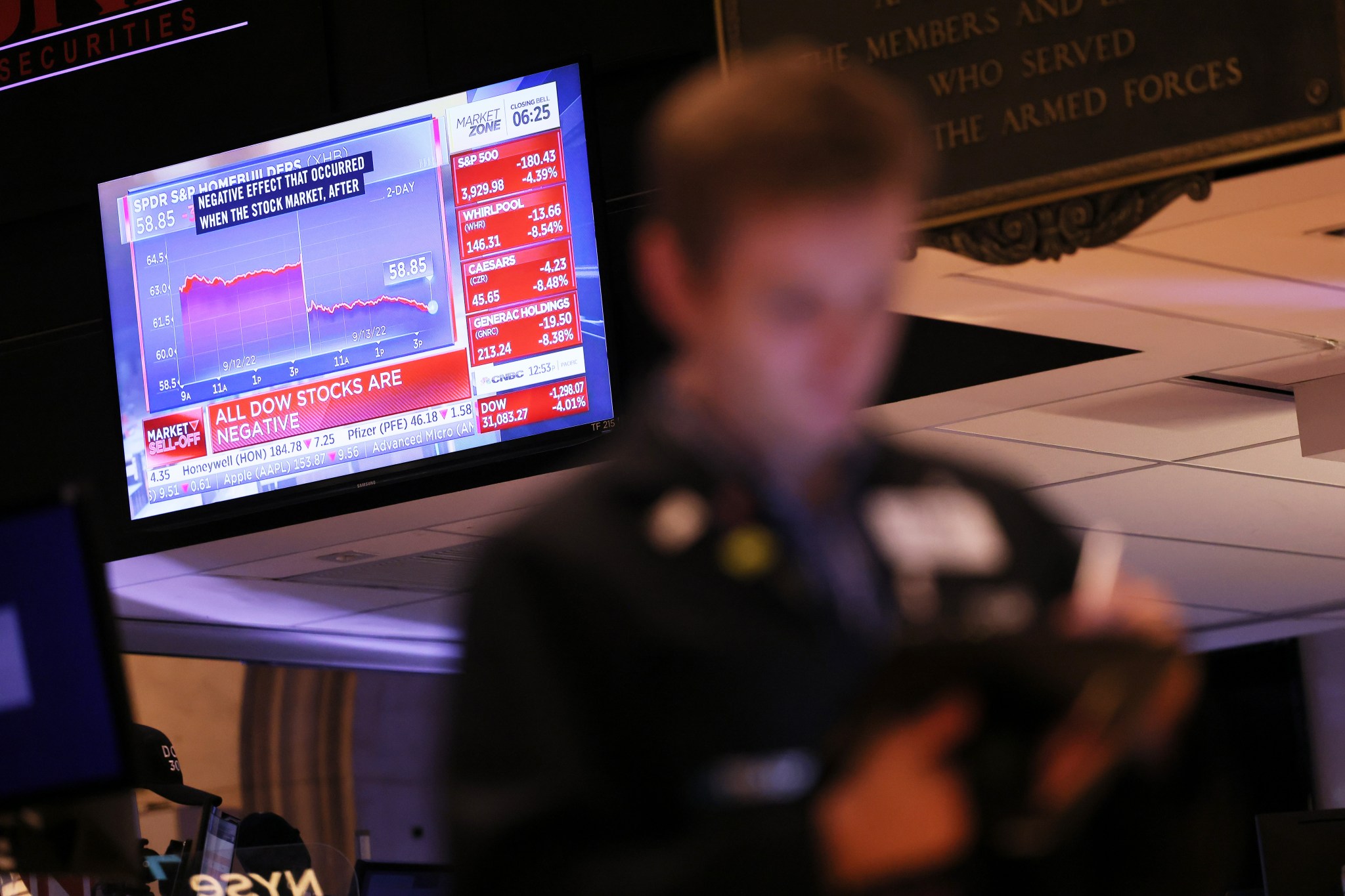
For their part, investors reacted swiftly to the news, and sent the market into its deepest dive since June 2020. Bridgewater’s co-chief investment officer Greg Jensen said there’s worse to come. “I think the biggest mistake right now is the belief we’re going to return to, essentially, prices similar to the pre-COVID [era],” he said.
Business leaders face a similar adjustment. “It may take years to reduce inflation to the Fed’s target level,” says a paper out soon from McKinsey (CEO Daily got an early look). “Companies need to draw on the proven playbook for success in a world of slower growth, higher inflation, and more expensive capital.”
What does that playbook look like? The consulting firm offers four pieces of advice:
—Don’t pull back on growth projects. “Our research shows that growth-oriented leaders react decisively to shorter-term disruptions that can be turned into opportunities.”
—Build talent smartly. “Employers tend to overrate ‘transactional’ factors such as pay and development and underrate the ‘relational’ elements—a feeling of being valued by managers and the organization, the companionship of trusting teammates, a sense of belonging, a flexible work schedule—that employees say matter most.”
—Stay the course on sustainability. “In an economically constrained environment, a through-cycle view on sustainability can be a lever for companies to build resilience, reduce costs, and create value.”
—Rebuild your supply chain for resilience and efficiency. “We’ve found that a careful assessment of supply chain vulnerabilities can reveal opportunities to lower spending with high-risk suppliers by 40 percent or more.”
Sounds so simple, doesn’t it?
And thanks to NYU’s Alison Taylor for sharing with members of the Fortune Impact Initiative yesterday this clear-eyed view of why the corporate focus on social and environmental goals is being driven by business realities, not politics, and therefore will continue despite political pushback:
“A very simple way to think about it is that we’ve seen a shift from tangible to intangible value in terms of corporate valuation. It used to be, back in the twentieth continuation, corporate value came from plants, buildings, machinery, cash assets. Now it comes from branding, network effects, stakeholder trust, R&D, IP. And so all of this basically means that stakeholder perceptions, public perceptions, employee perceptions are a far great proportion of corporate value than they used to be. And that largely accounts for the investor interest” in social and environmental metrics.
You can learn more about the Fortune Impact Initiative here. Other news below.

Alan Murray
@alansmurray
[email protected]