
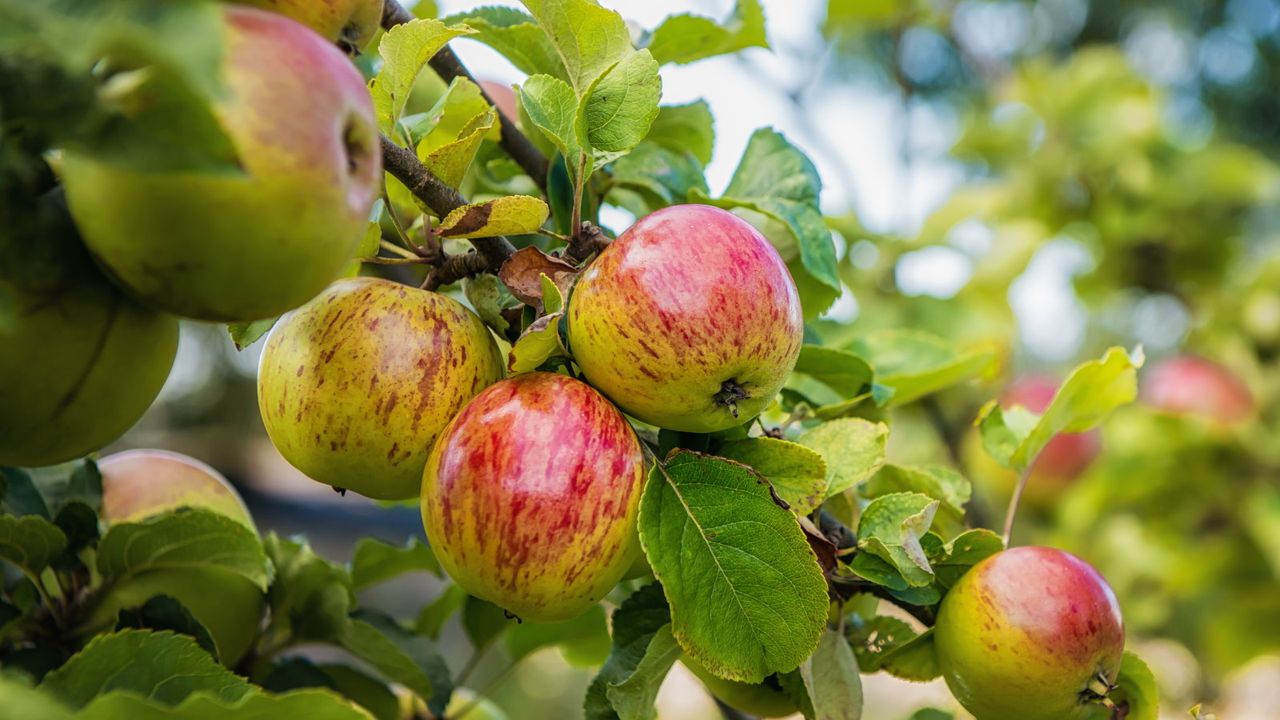
April is the moment to act if you want bigger crops, healthier trees, and fewer problems later in the season. These are the fruit trees to prune in April for stronger growth, better airflow, and more abundant harvests. Miss this window, and you risk a tangle of growth, smaller fruit, and trees that sulk rather than sing.
Spring pruning is not about hacking wildly (tempting though that may be after winter), but about guiding energy: removing congestion, encouraging sunlight, and shaping trees just as sap begins to rise. Done well, it is one of the most transformative jobs in the back yard.

If you’re unsure on technique, brushing up on how to prune fruit trees before you begin will give you confidence, especially when dealing with trained forms or older specimens that need a gentler hand.
1. Apple Trees (Malus domestica)

There is something deeply reassuring about an apple tree. It is the sort of plant that forgives a multitude of sins, including slightly clumsy pruning. That said, April is your last comfortable moment in many temperate zones to refine the structure before growth really takes off.
Focus on removing crossing branches, dead wood, and anything growing inward toward the center. Apples thrive on an open, goblet-like shape; just imagine a wine glass that lets light pour into the middle. I’ve found that even a modest thinning in April dramatically improves fruit size come fall.
This is also the time to shorten last year’s growth slightly to encourage spur formation (those knobbly little fruiting points that do all the real work). Be restrained though, because apples resent overenthusiasm.
A sharp pair of secateurs is essential here; my first ever pruners were Felco pruning shears from Amazon, almost 20 years ago, and they still see regular service today, making clean cuts that heal quickly. Pair them with gardening gloves from Ace Hardware to avoid the inevitable scratches.
For those with a small yard, it is still possible to grow fruit trees in pots and create a beautifully productive orchard.
2. Pear Trees (Pyrus communis)

Pear trees are, in many ways, the aristocrats of the orchard - upright, slightly aloof, and inclined to grow with rather too much enthusiasm in the vertical direction.
April pruning is about restraint. Remove dead, damaged, or diseased wood, and thin out overly dense areas, but avoid heavy cuts. Pears are prone to producing vigorous, upright shoots (water sprouts) if over-pruned, and these are about as useful as a chocolate teapot.
What I’ve learned over the years is to work with their natural shape rather than against it. A few well-placed cuts now will prevent a summer spent battling vertical growth.
If your tree is trained against a wall or fence, this is also a good time to refine its structure. Borrowing inspiration from fan-trained fruit trees can elevate even the smallest yard into something quietly spectacular.
A fine pruning saw, like a folding pruning saw from Lowes, is invaluable for thicker branches, while a blade sharpener from Amazon keeps everything slicing cleanly rather than tearing.
3. Peach Trees (Prunus persica)

Peaches demand courage. Where apples and pears tolerate gentleness, peaches positively relish a firm hand.
These trees fruit on one-year-old wood, which means you need to cut back quite hard to stimulate fresh growth. In April, once the risk of severe frost has passed in most temperate US regions, you can shape the tree into an open center and remove a significant portion of last year’s growth.
It feels drastic (it always does) but the reward is larger, sweeter fruit and fewer fungal issues thanks to improved airflow.
From personal experience, the first time I pruned a peach properly, I was convinced I’d ruined it. By midsummer, it was covered in strong new shoots and, later, the sort of fruit that makes you question supermarket offerings entirely.
If you’re growing peaches, it’s also worth considering broader fruit tree care tips to manage pests and watering through the season.
For thicker cuts, something like a bypass lopper from Ace Hardware gives you leverage without mangling the branch, and a tree wound dressing from Amazon can be useful in wetter regions where disease pressure is higher.
Shop Pruning Tools
Felco No. 2 pruners are nearly universally beloved as the best pruners on the market. I have used these for many years; they are comfortable, hard-wearing, and razor-sharp.
Reach high into the canopy to remove branches with this lightweight 16-foot pole saw. It is made of high-grade fiberglass and has a 14-inch steel saw blade.
This set includes bypass pruning shears, bypass loppers, and a pruning saw. All the tools have steel blades, and the set equips you with all you need for pruning trees.
4. Plum Trees (Prunus domestica)

Plums are slightly contrary creatures. While many pruning guides suggest summer pruning to avoid disease, light pruning in April is perfectly acceptable in drier regions or where trees need shaping.
The key is moderation. Remove dead wood, thin congested areas, and shorten overly long branches to maintain balance. Avoid heavy cuts, particularly in humid climates where fungal diseases like silver leaf can take hold.
What I tend to do is treat April as a 'tidy and assess' moment rather than a full overhaul. You are guiding the tree, not redesigning it.
If you’re integrating plums into a mixed planting, it’s worth exploring companion planting for fruit trees to keep the surrounding soil healthy and biologically active.
A wide base ladder from Lowes may be a tad pricey, but is a wise investment when pruning any tree above head height.
5. Fig Trees (Ficus carica)

Figs, bless them, are both generous and unruly. Left to their own devices, they will expand enthusiastically, producing a thicket of branches and a rather uneven crop.
April is an excellent time to shape figs before vigorous growth begins. Remove weak or crowded shoots and cut back the previous year’s growth to maintain a manageable framework.
In cooler temperate zones, figs benefit from being kept compact so that energy is focused on ripening fruit rather than producing endless foliage. I’ve found that a disciplined spring prune can make the difference between a modest crop and a genuinely abundant one.
If you don't have a fig but are looking for a fruit tree that will fit into a kitchen garden and provide a delicious bounty for the table, nothing quite beats a fresh fig plucked straight from the tree. If you haven't tried a fresh fig and ricotta tart, you haven't lived.
If cutting through woody material is a struggle, a cordless electric pruner from Ace Hardware makes short work of tougher stems.
6. Sweet Cherry Trees (Prunus avium)

Cherries are often best pruned in summer, but light pruning in April is useful for young trees or for removing winter damage.
Focus on shaping the tree and removing crossing or inward-growing branches. Avoid large cuts, as cherries can be prone to disease if pruned too aggressively outside of dry conditions.
When I approach a cherry tree in April, I think like a sculptor rather than a surgeon; small, thoughtful adjustments that improve structure without shocking the plant.
A precision bud cutting shear from Amazon is ideal for finer work, and a tool cleaning spray from Amazon helps prevent disease spread between trees, something that becomes increasingly important as your collection grows.
There is, I think, a particular pleasure in pruning fruit trees in April. The air has softened, buds are swelling, and the garden is on the brink of exuberance. You are not battling winter damage nor chasing summer chaos, you are shaping possibility.
Across all these fruit trees to prune in April, the principles remain reassuringly consistent: remove what is dead or damaged, open the structure to light and air, and encourage the kind of growth that leads to generous harvests.
And perhaps most importantly, don’t be afraid. Trees are far more resilient than we give them credit for. A thoughtful cut is rarely a mistake, and even the occasional misstep is quickly forgiven.
In my own back yard, April pruning has become something of a ritual; pruning shears in hand, tea nearby, and the quiet satisfaction of knowing that, come late summer, the results will be hanging from the branches in plain, delicious view.
Plus, if you love inspiring garden ideas, outdoor advice, and the latest news, why not sign up for our newsletter and get the latest features delivered straight to your inbox?