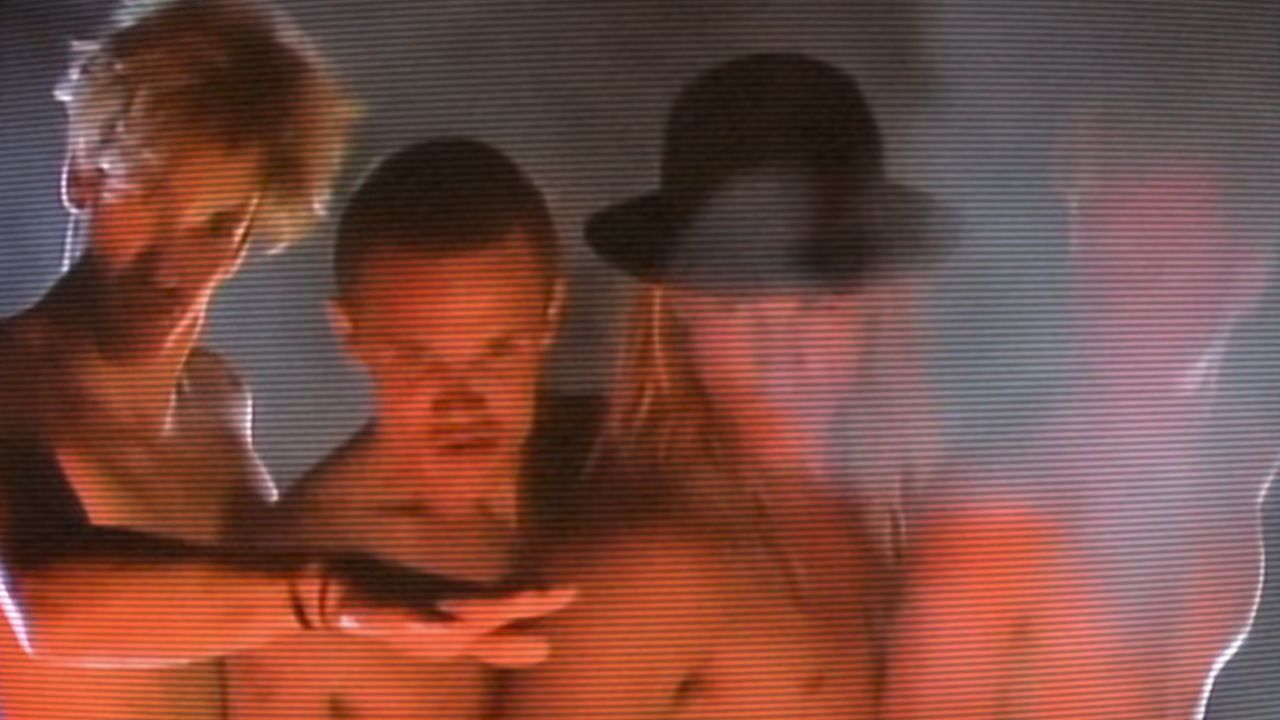
My personal history with the Red Hot Chili Peppers is complicated, but the new documentary, The Rise of the Red Hot Chili Peppers: Our Brother, Hillel (available with a Netflix subscription), is the best thing I’ve seen about the band in decades. Make no mistake, it’s a very sad documentary at times, as there is a sense of dread that hangs over it, knowing that it is building towards the tragic death of their original guitar player, Hillel Slovak. However, what I got from it was the triumph and joy that the band had in those early days. That was the band I fell in love with in junior high.
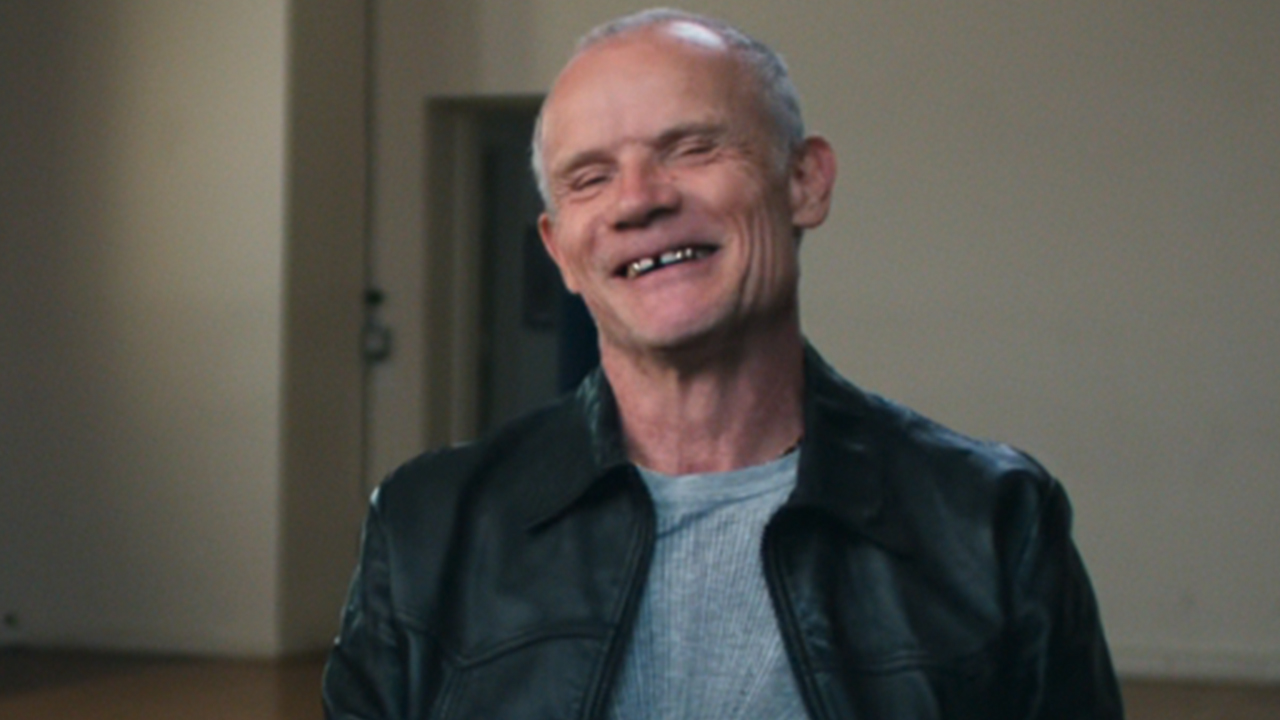
They Were My First Favorite Band
I first discovered the Peppers when I was in 8th grade after Mother’s Milk came out. That was the first album I ever heard from them, and I was hooked. I dove in headfirst, going back to their previous three albums, and ultimately, those two records they recorded with Slovak, Freaky Styley, and The Uplift Mofo Party Plan. Those albums really spoke to me, and the Peppers were the first band I really thought of as my “own,” if that makes sense.
For the better part of two years, I was obsessed with the band. I devoured everything I could read about them. I listened to their then-most-recent release, Mother’s Milk, over and over, along with Freaky Styley and Uplift Mofo. I discovered a few other bands through them that would become favorites as well. Jane’s Addiction, fIREHOSE, and especially Fishbone, were pretty much the only other bands I listened to, and they all had a connection to the Peppers. Truly obsessed.
I was old enough to understand drugs and drug addiction, but too young to really understand the impact that Slovak’s death had on the band. Of course, I knew that Slovak had died of an overdose and that songs like “Taste The Pain” and “Knock Me Down” were about addiction and sobriety (and Slovak), but I didn’t really understand how close Slovak was to Flea and Anthony Kiedis. This new documentary is all about that brotherhood, and it gave me a much deeper understanding than I ever had before. That’s partly because, as I got older, I drifted away from the Chili Peppers. Actually, it was less of a drift and more of a hard rebound away.

In 1991, The Band Went One Way, I Went The Other Way
That all changed when the band released Blood Sugar Sex Magik in 1991. At first, I was wildly excited; it was the first new music from my favorite band that didn’t exist before I became a fan. I was…well… pretty disappointed. At the time, I praised it because I didn’t want to admit I didn’t like it, but there was something so different about it that I didn’t connect to at all. Flea was playing that slap bass I loved. Many of the songs were mellower than what I was looking for. They were more melodic, and frankly, more mature. I was a 9th grader looking for the juvenile sense of humor I loved in their earlier stuff, and that was gone, too.
By the summer of ‘92, “Under The Bridge” was a massive MTV hit, and I was telling anyone who would listen that the Peppers had “sold out.” I saw them in concert at that summer’s Lollapalooza tour, and it would be the last time I saw them for 20 years, when I just happened to see them at Bonnaroo in 2012. I spent a lot of those 20 years with a weirdly bitter relationship with the band. I was jilted as only a 10th grader could be. They broke my heart. And yeah, I realize how silly that sounds, but it’s how I felt. That was, I realize now, very unfair. I may not love what the Peppers have been doing for, oh, the last 35 years or so, but you can see in the documentary that they do, and they wouldn’t be where they are without those early days with Slovak, even if Slovak never saw the results that came from that time.

The New Doc Brought Me Back To Those Wonderful Memories
The Rise of the Red Hot Chili Peppers: Our Brother, Hillel, easily one of my favorite things streaming on Netflix at the moment, and one of the best music docs in recent memory, is tragic, yes, but it’s also such a triumphant look at those early days of the band, when they had so much youthful energy (and that juvenile sense of humor I loved so much). They were vibrant and defiant. They were unique and powerful. The interviews with Flea, Keidis, and the original drummer, Jack Irons, were insightful and fun. Everything about it was a celebration of the band and of Hillel Slovak. The ending is as sad as you would expect, but the journey getting there is just a ton of fun. It was a wild ride for the guys in the band, and the documentary shows it all.
Hearing those funky punk songs that I worshipped as a kid, like “Fight Like A Brave,” “American Ghost Dance,” and their first song, “Out in LA,” was actually cathartic. It rekindled my love and seriously softened my irrational anger at the band. I’ve always known it to be irrational, but it has still always stayed with me. The interviews with Flea and Kiedis, especially, gave me a new appreciation for their entire career, not just the early part I loved. I even teared up at the end when Slovak’s replacement, guitarist John Frusainte, spoke about how important Slovak was to him, even having never met the man he took over for in the band.
Watching the latest music documentary on the 2026 TV schedule really flooded me with memories of why I loved the Chili Peppers so much. I even spent the morning listening to those old albums for the first time in years. I’ve had a smile all day.