PRESS REVIEW – Friday, June 26: Papers discuss the scientific and political aspects of the earthquakes in Venezuela. Next: a new study sheds light on who makes the most money after university in the UK. Finally, we look at a heatwave headline that will make you giggle.
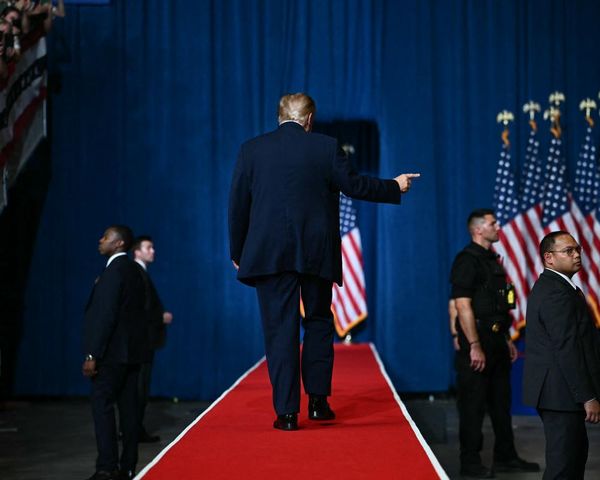
International media discuss why the Venezuelan earthquakes were particularly catastrophic. NPR interviewed geophysicist William Barnhart. He explains that the earthquakes were especially deadly because they struck less than a minute apart – 39 seconds to be precise – and they were close to major population centres. Even one earthquake of a magnitude higher than seven would have been devastating. The Wall Street Journal explains the science behind what's known as a "doublet earthquake". The article explains that Venezuela sits on "one of the most active tectonic boundaries in South America," where the Caribbean plate slides up against the South American plate. The Times has a political angle examining how the earthquakes will test the new relations between Venezuela and the United States. The diplomatic ties between the two countries were already delicate, says the publication – only five months ago, the Trump administration captured former president Nicolas Maduro. Now, however, international help is essential, and the United States has the opportunity to define the role it wants to play in Venezuela. Therefore, US President Donald Trump's reaction to the disaster will dictate the next phase.