After the war in Ukraine broke out, Yvette Stanton got a moving message from the owner of an embroidery shop in the besieged eastern European nation.
The woman wrote to Stanton, an embroiderer, historian and author from rural NSW, asking to buy copies of her book on the Ukrainian style of the craft.
Ukrainian people were looking to express their heritage through traditional embroidery, the shopkeeper in Lviv said.
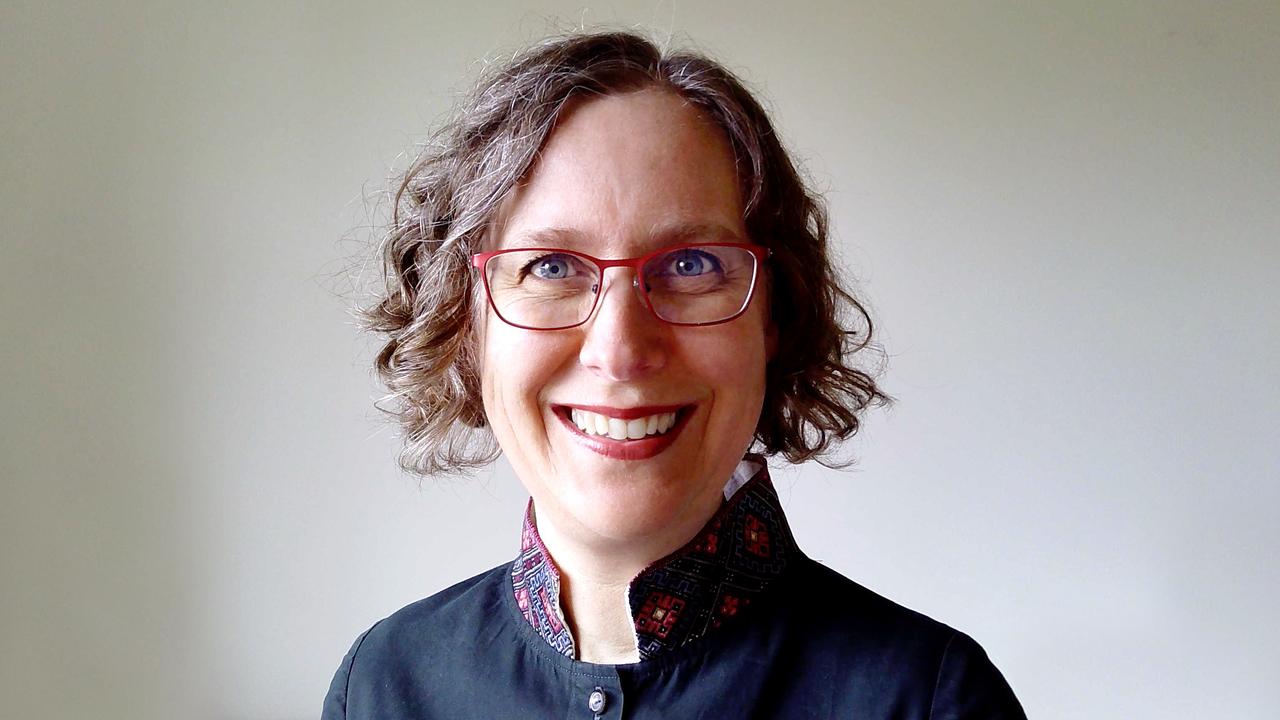
"Embroidery can be a real way of linking what you do with your culture," Stanton told AAP from her home in Walcha, in the Northern Tablelands.
"For the Ukrainian people, it's an expression of who they are and if that can continue, that's really important."
Stanton and twin sister Prue started embroidering in their early teens, slowly working their way through each page of the Reader's Digest Complete Guide to Needlecraft.
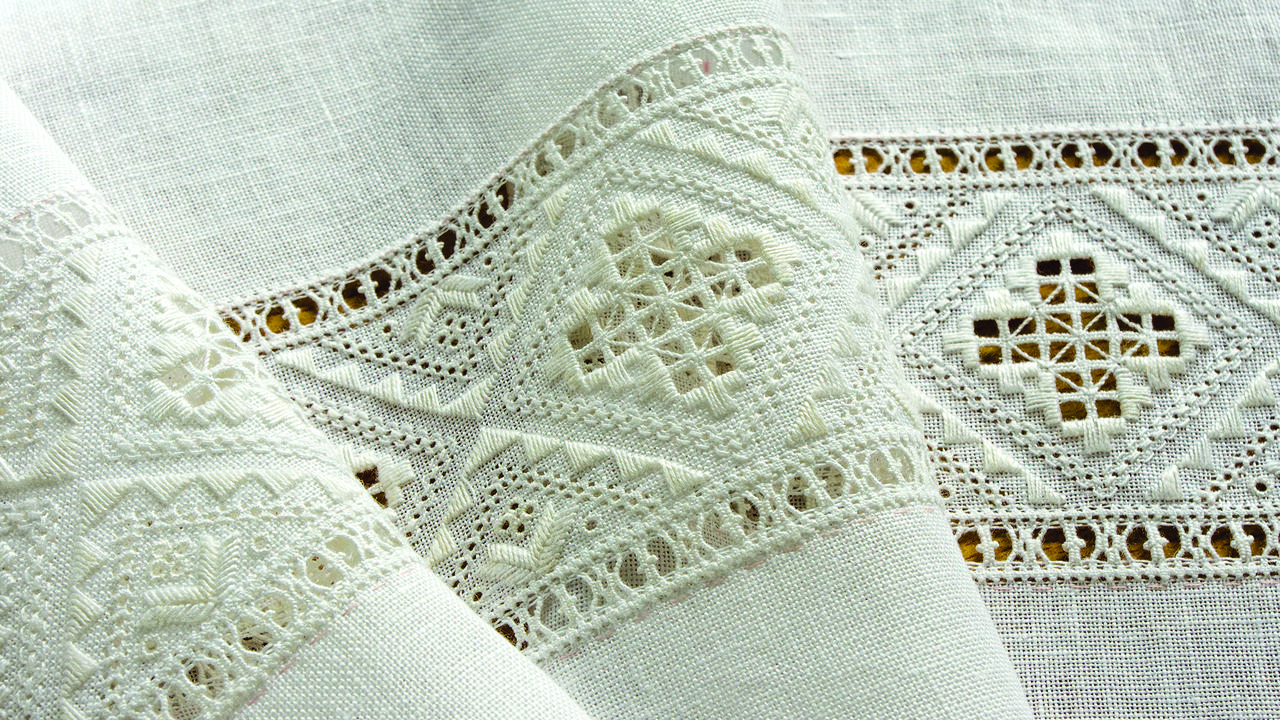
By the end of high school she began to focus on an intricate Norwegian style called Hardanger, which is white stitching on white fabric featuring geometric shapes and cut-outs.
View this post on Instagram
Her early passion for the traditional craft opened up a unique international career, exhibiting her work, publishing 11 books and speaking at several overseas conferences.
Whenever anyone asks Stanton if embroidery is a dying art, she simply responds: "Not if I can help it."
"Traditional embroidery is so amazing," she said.
"Some of the work I've focused on has never been written down ... in English or any other language.
"That means there's an aspect of preserving culture, which is a really special thing to be able to do."
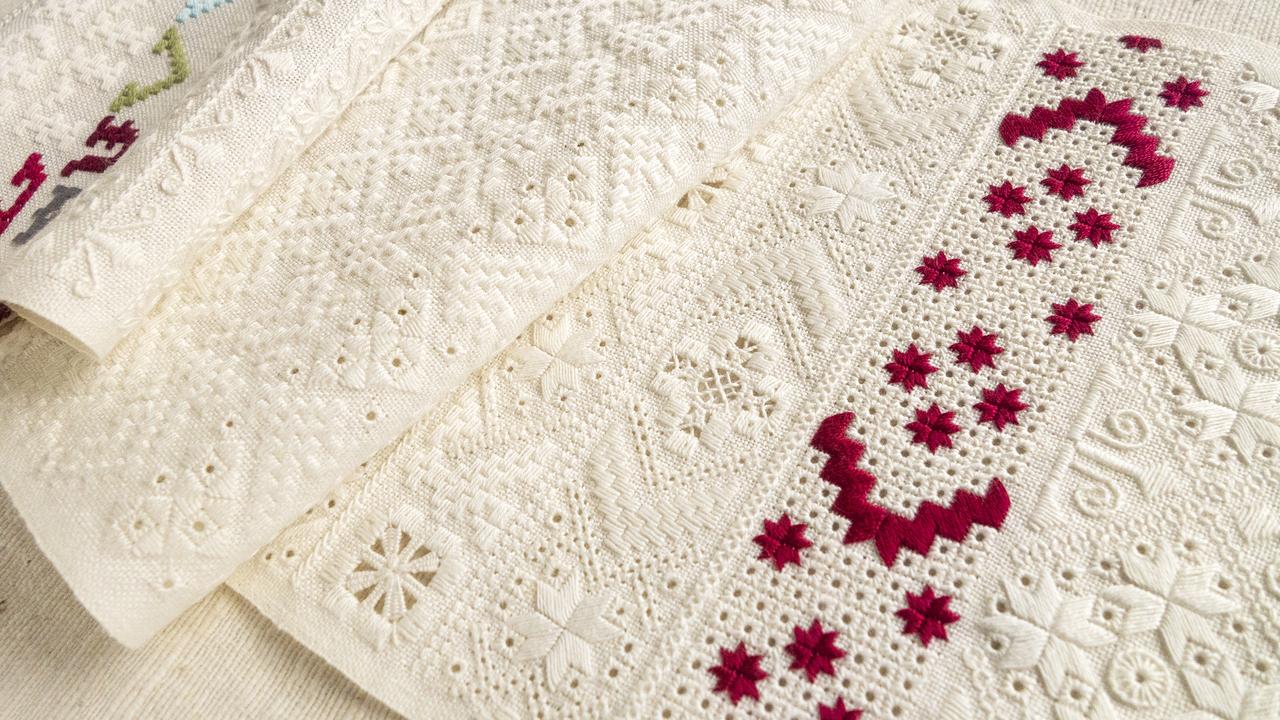
Stanton has been awarded a Medal of the Order of Australia (OAM) for service to embroidery.
The honour recognised the value of work that could sometimes be overlooked, she said.
"Embroidery and textile craft are seen as very feminine, they are hidden away, they are women's work and they are devalued because of that," Stanton said.
"Embroidery is seen as a craft, it's not an art, because women do it.
"It is pretty amazing that Australia has chosen to recognise what I've done and what I've contributed."
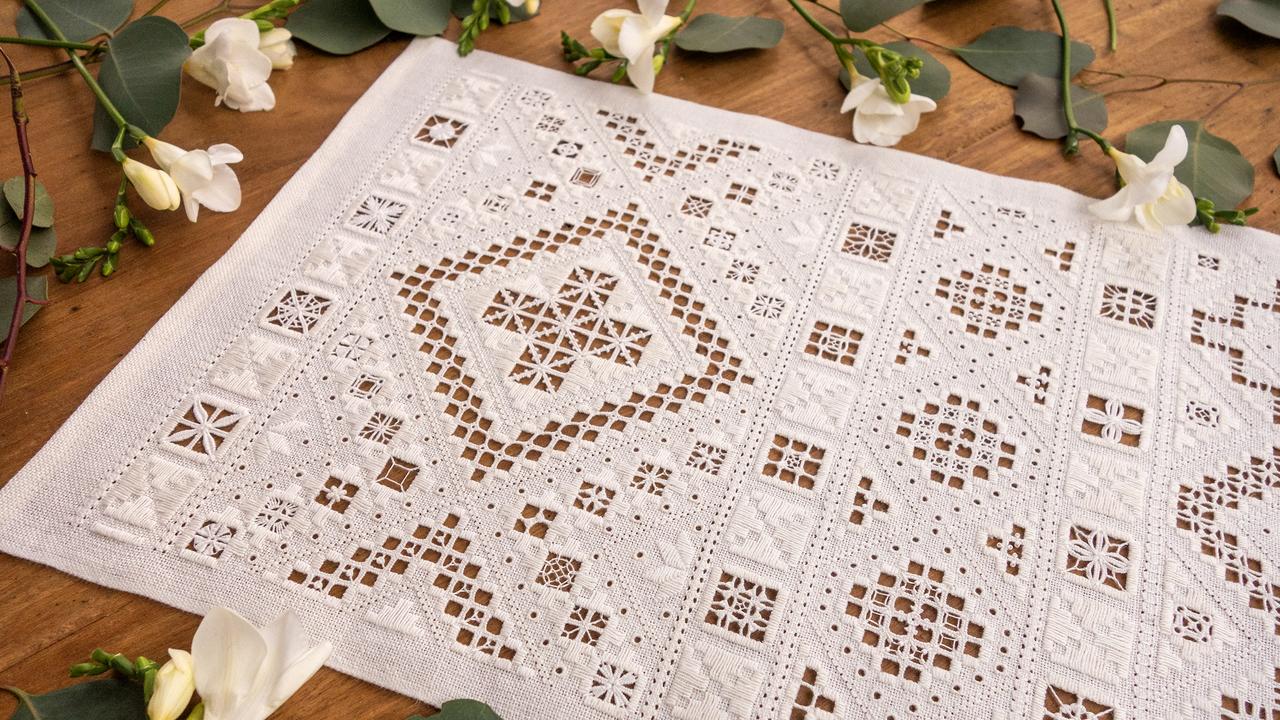
She was one of 474 people awarded a Medal of the Order, among many Australians recognised for their contributions in regional Australia.
Eminent urban planner John Toon, best known for designing the remote Northern Territory mining town of Nhulunbuy, was appointed Member of the Order (AM).
Sue Hood, a third-generation country show volunteer from Dubbo, in western NSW, was awarded a Medal of the Order for services to agricultural shows and youth.