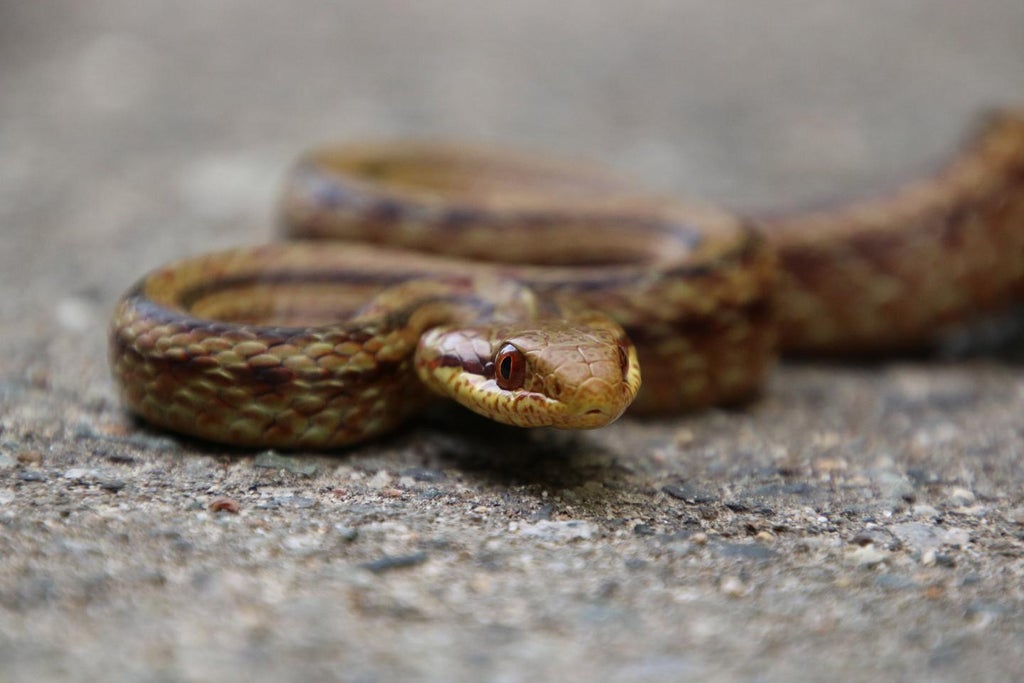
Scientists have unearthed two 300-million-year-old fossils of a tiny animal that adapted to lose its forelimbs, shedding light on how vertebrates evolved a “snake-like body plan”.
Modern-day reptiles like snakes and worm lizards achieved diverse types of body plan through limb reduction and extreme elongation of their bodies, said researchers from the Smithsonian National Museum of Natural History in the US. Such body plans helped some of these early animals to adapt to different movement methods in different ecologies, developing degrees of swimming or arboreal lifestyles.