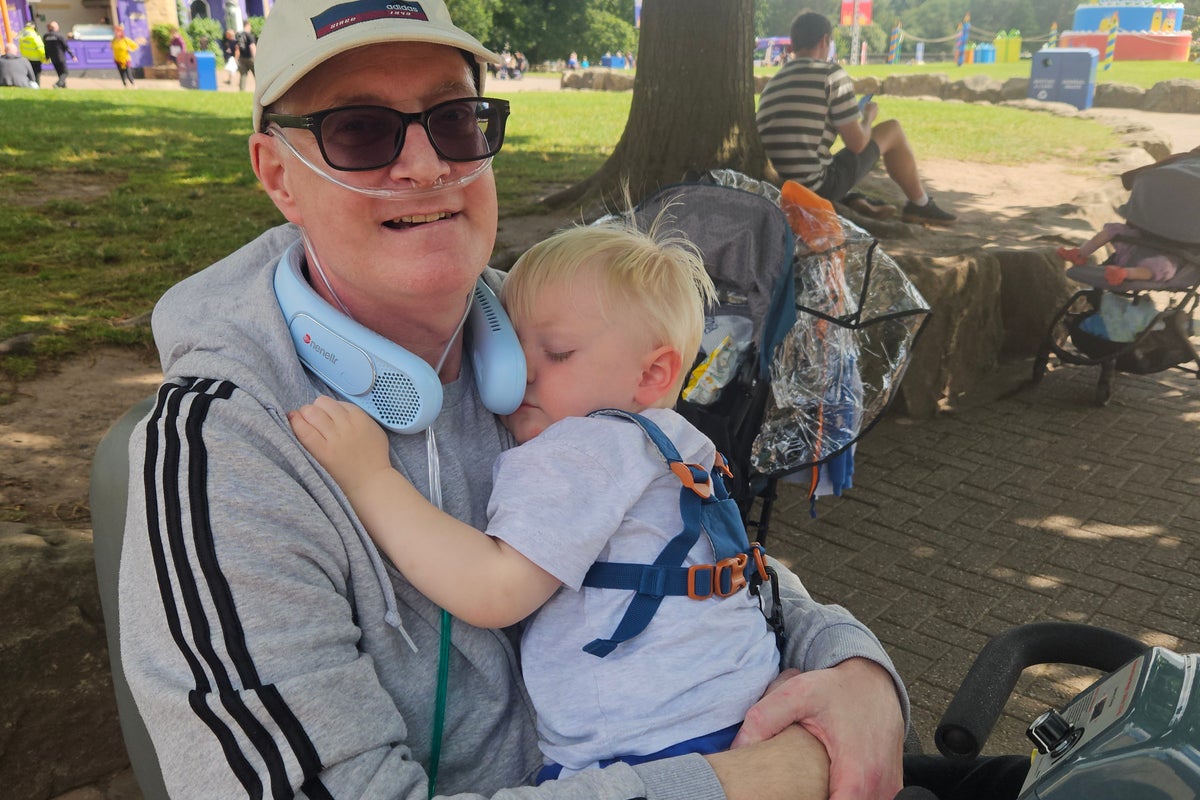
A pioneering method using a donor skin patch to rapidly detect organ rejection has been hailed by one of the first lung transplant patients to benefit from the technique. Darren White, 53, received steroids when his body began rejecting his new lung three months after his transplant in late 2024.
Experts leading the Sentinel trial describe the skin patch, grafted onto a patient's forearm during the transplant, as a crucial "window." Scientists believe skin rejects earlier and more visibly than other organs, allowing medics to treat rejection as soon as a rash appears and significantly reducing the risk of permanent damage. Ten patients, including Mr White, a former bus driver from Stockton-on-Tees, have received 10cm by 3cm skin patches from their organ donor as part of the study.