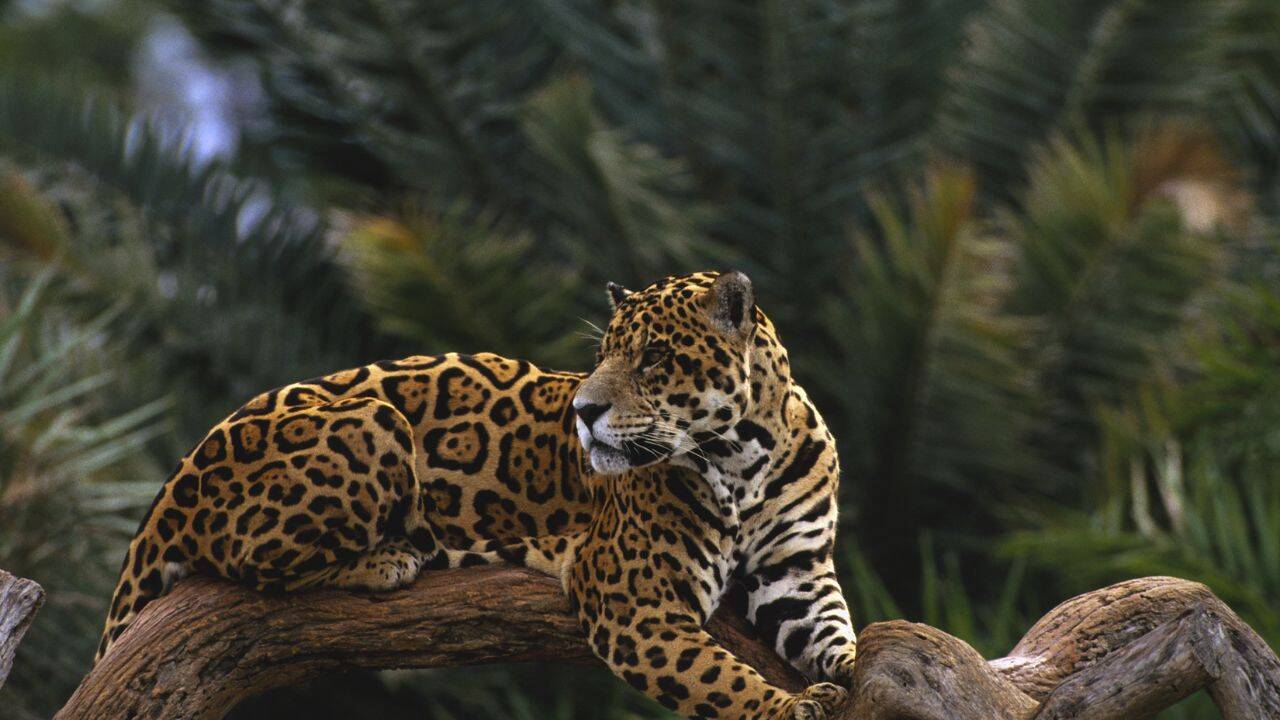
For much of the 20th century, the jaguar disappeared from large parts of Argentina’s landscape. Hunting pressure and the steady loss of natural habitats pushed the country’s biggest predator out of places where it once played a key role in the ecosystem. In the Iberá wetlands of northeastern Argentina, that absence lasted around 70 years. A conservation project has now brought the species back to the region, marking the first time jaguars have been reintroduced to an area where they had vanished completely. The return is part of a wider rewilding movement aimed at restoring animals, habitats and ecological processes altered by human activity. Conservationists view the reintroduction as an important milestone because large predators often help maintain ecological balance. By influencing the behaviour and numbers of other animals, jaguars can contribute to healthier ecosystems and support greater biodiversity across. What Iberá ultimately proves is that absence need not be permanent, that with patience and deliberate care, a landscape can slowly relearn how to hold what it once lost.
Get breaking news anytime, anywhere. Download the TOI app now!