As far as medical emergencies go, this one was at least pretty straightforward. On a cloudless early recent morning, I found myself careering toward the hospital in an Uber, my 18-year-old daughter sobbing beside me and puking into a plastic bag. Three days earlier, she'd had surgery to remove her wisdom teeth. Now, her insides were staging a violent rebellion. The source of her pain? Her pain reliever itself, in the form of a bottle of prescription strength ibuprofen.
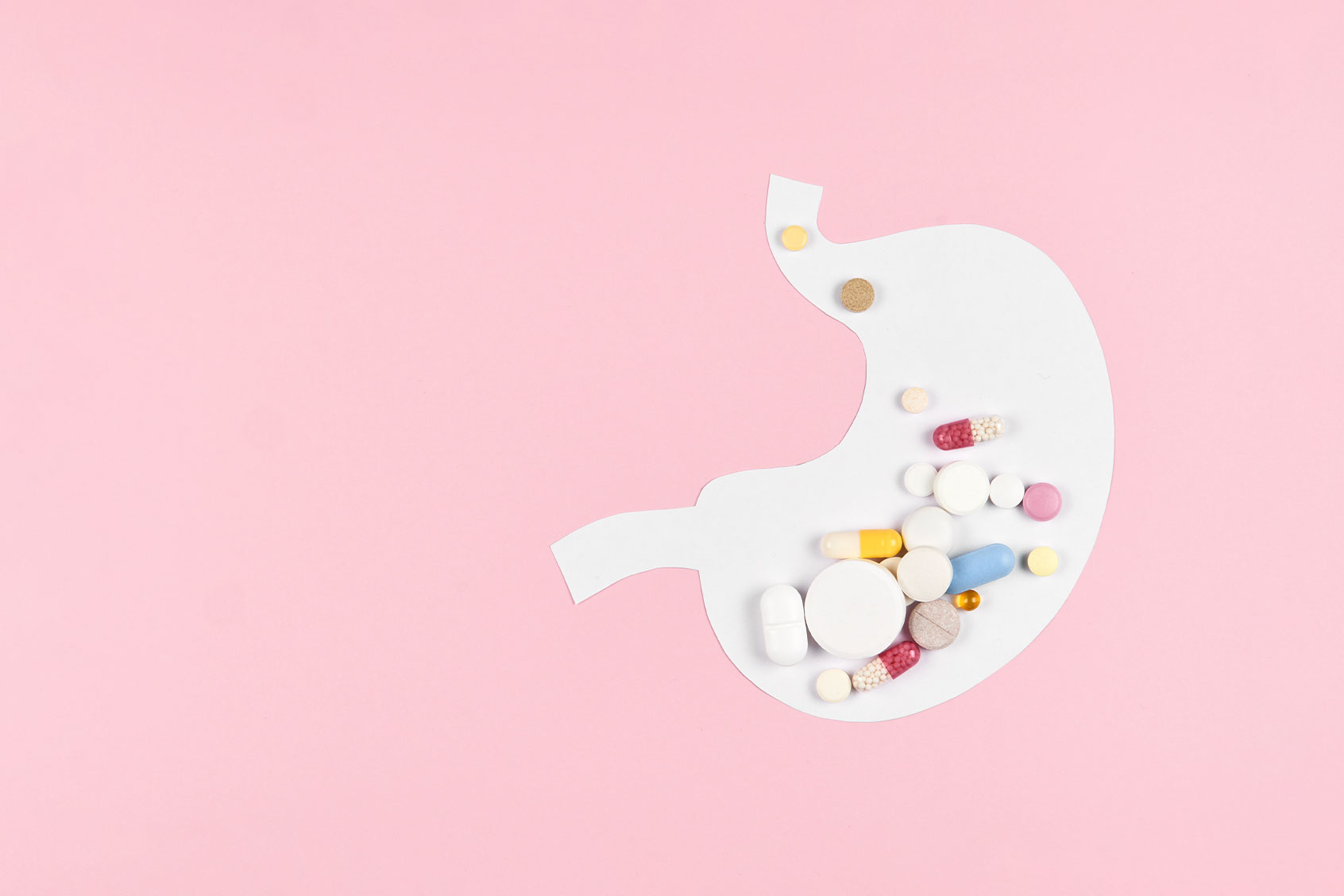
Non-steroidal anti-inflammatory drugs (NSAIDs) are among the most commonly used medications in the world. They alleviate pain by blocking the production of the enzyme cyclooxygenase. That process in turn inhibits the production of prostaglandins, which leads to less swelling and inflammation. You probably have several over-the-counter and prescription NSAID varieties in your medicine cabinet right now — aspirin, ibuprofen, Naproxen, Celecoxib. They're what you reach for when the menstrual cramps kick in, you overdo it at the gym, your arthritis or back pain flare up. Writing for Harvard Health in 2020, Robert H. Shmerling, MD, reported that roughly "15% of the US population takes an NSAID regularly (including those that are over the counter and prescription strength)," and that, along with "sporadic users," adds up to "more than 30 billion doses ... taken each year."