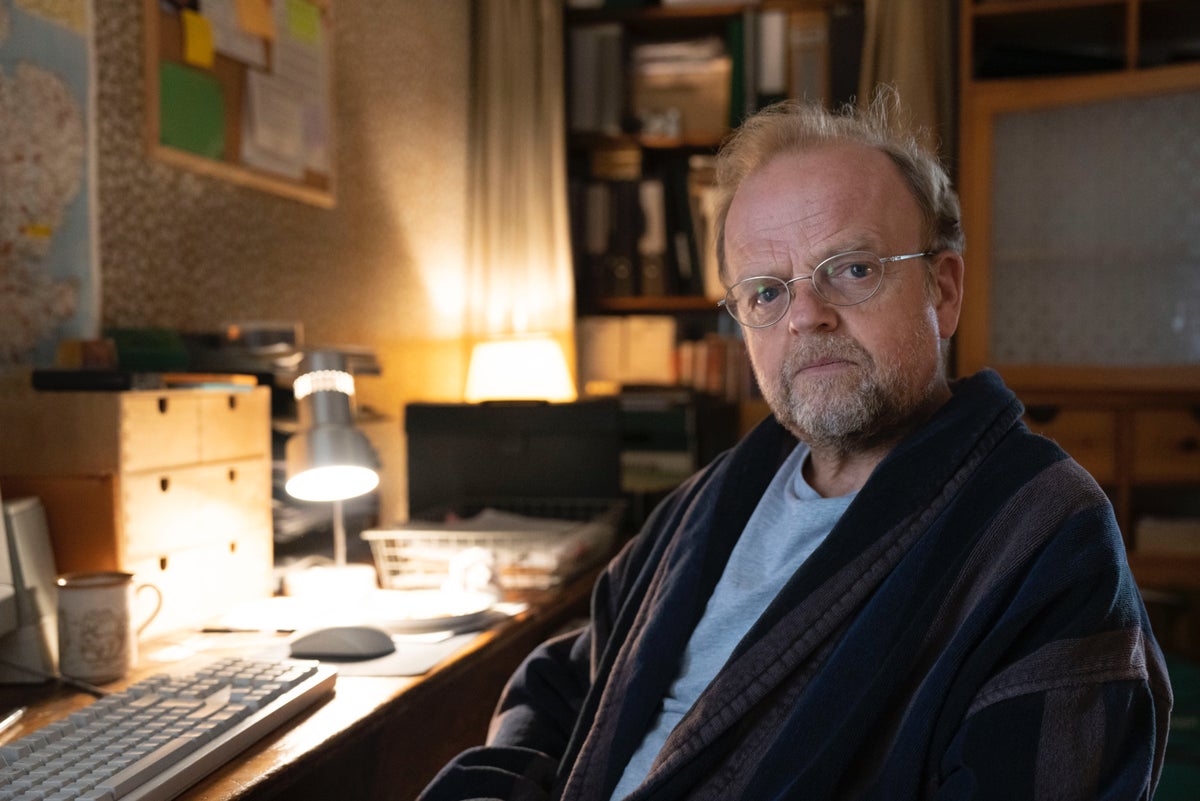
Cast your minds back to the very start of the year and you might remember how one show dominated the national conversation. Mr Bates vs The Post Office was a hard-hitting dramatisation of the Horizon scandal, a miscarriage of justice that saw hundreds of subpostmasters wrongly prosecuted for theft. The four-part ITV series had an immediately galvanising effect. A petition calling for the victims to be better compensated gained hundreds of thousands of signatures. The government put forward new legislation to exonerate them. Later, former Post Office CEO Paula Vennells handed back her CBE. Mr Bates was lauded as a shining example of TV’s power to change the narrative off-screen. It also became ITV’s most-viewed drama in over a decade, beating Downton Abbey’s 2010 launch; to date, 13.5 million people have watched it.
All in all, a runaway success, right? Beyond the critical acclaim, the news stories and the viewing figures, the reality is a bit more complicated. The channel in fact lost around £1m on the series – in no small part down to the fact that it was a tough sell to foreign broadcasters. Earlier this week, ITV told the culture, media and sport select committee that “rising costs and stagnating commissioning budgets mean that margins for very distinctively British content are narrowing”, all at the very same time that “international customers want content that travels well globally”. The UK has a strong history of powerful and purposeful dramas shining light on social issues: from Jimmy McGovern’s Hillsborough, which dramatised the fight for justice for the victims of the football stadium disaster, to more recent series like It’s A Sin, exploring the impact of the Aids crisis, and Time, another McGovern show, this time highlighting our broken prison system. So could programmes like these soon become a thing of the past?