
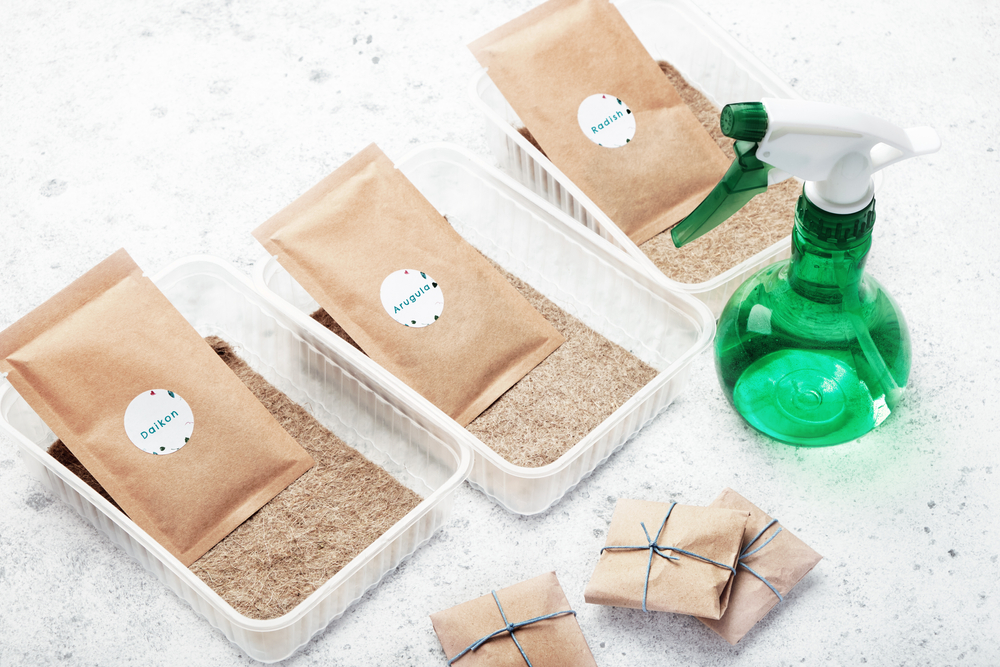
Gardening isn’t just a hobby, it’s a tiny adventure you can hold in your hands. A seed might look like a speck of dust, but it’s secretly a ticket to a mini green revolution right in your home. Store-bought seed kits have taken over shelves and online stores, promising everything from colorful flowers to homegrown veggies in neat, pre-packaged convenience.
But are they really worth opening your wallet for, or is it all just fancy marketing? Let’s quite literally dig in and explore the world of seed kits, where dirt, water, and sunlight collide with modern convenience to see if they truly deliver on the hype.

Understanding What Seed Kits Really Are
Seed kits are basically a gardener’s starter pack, designed to make growing plants as easy as pie. Most kits include seeds, soil or soil pellets, and a container or tray, often accompanied by detailed instructions for beginners. Some even throw in little extras like plant markers, fertilizer, or mini greenhouses.
The idea is to remove as many barriers as possible for someone who’s new to growing plants. It’s a convenient bundle for anyone who might be intimidated by gardening or doesn’t have a lot of time to prep soil, buy seeds individually, or track down specialized tools.
Convenience Versus Cost
One of the first things to consider is the price. Seed kits can be significantly more expensive than buying loose seeds, sometimes ten times as much per plant. However, the convenience factor is where they shine. You don’t have to worry about measuring soil, picking compatible plants, or figuring out germination times. Everything is curated for a higher chance of success, which is a big deal if you’re just starting out or have a busy schedule. Essentially, you’re paying a premium for guidance, efficiency, and peace of mind.
Quality Of Seeds And Plant Variety
Store-bought seed kits often feature a carefully selected variety of plants that are suited for beginner success. That means they usually come with resilient, high-germination seeds. Some kits even highlight rare or themed seeds, like “pizza garden” kits with tomatoes, basil, and oregano. That said, the selection is sometimes limited compared to buying seeds individually, where you can pick exactly the species and cultivars you want.
If you’re aiming for very specific or unusual plants, kits might feel restrictive. On the upside, they take the guesswork out of choosing complementary plants, which can be a lifesaver for novice growers.
Educational Value And Fun Factor
Seed kits often double as learning experiences. Many come with detailed instructions, illustrations, or even links to online resources that explain the science of germination, plant care, and photosynthesis. They can be particularly exciting for kids, families, or anyone interested in the “why” behind the growth process.
The fun factor is undeniable—watching seeds sprout in a little tray on your windowsill is oddly magical. Beyond entertainment, these kits teach patience, observation skills, and a better understanding of plant biology. They turn what could be a mundane chore into a mini science experiment that rewards you with actual greenery.

Comparing DIY Seed Starting
It’s worth asking how seed kits stack up against doing it yourself. Growing plants from individually purchased seeds and your own soil is usually cheaper, and it gives you complete control over what you grow. DIY seed starting can also be more sustainable because you can reuse containers and soil, reducing packaging waste. However, it requires more time, research, and trial-and-error. For beginners, that initial learning curve can be discouraging. Seed kits act like a guided shortcut, helping gardeners succeed faster and feel accomplished without months of trial failures.
Who Benefits Most From Seed Kits
Seed kits are perfect for people who crave simplicity and instant gratification. Urban dwellers with limited space, busy professionals, and families with kids often find them invaluable. They’re also great for gifting—a thoughtful, interactive present that keeps giving as plants grow. Experienced gardeners might prefer more freedom, but even seasoned growers sometimes appreciate kits for unusual seeds or seasonal variety packs. In short, seed kits cater to anyone who wants the joy of gardening without the heavy lifting of planning, buying, and prepping every little detail.
Potential Drawbacks To Keep In Mind
Like anything that promises convenience, seed kits have a few drawbacks. The cost per plant is higher, and the limited selection may not satisfy gardening purists. Packaging can generate waste, especially if kits use single-use plastics. Additionally, instructions may not always match your local climate or growing conditions, meaning some trial-and-error is still necessary. Despite these caveats, the overall experience tends to be positive for most users, particularly those looking to dip their toes into gardening without committing to a full-scale garden.
So, Are They Worth It?
Store-bought seed kits walk a line between convenience and cost, offering an easy way to start gardening while asking a little more from your wallet. They’re educational, fun, and often provide higher initial success rates, especially for beginners or busy people. The thrill of seeing your seeds sprout, grow, and eventually bloom or bear vegetables can make the premium feel worthwhile. Whether you’re curious about growing your first plant, looking for a family activity, or searching for a unique gift, seed kits can be a fantastic option.
Tell us your experiences or tips in the comments section below—did a kit spark your green thumb?
You May Also Like…
Is Starting Seeds Indoors in Winter Really Worth the Cost?
8 Flowers That Grow Well From Cheap Seed Packs
Seed Starting on a Budget Series: Inventory & Supplies
Why You Should Be Planting Bulbs in December, Not Spring
6 Unusual Edible Plants You Can Add to Your Garden This Season
The post Are Store-Bought Seed Kits Worth the Price? appeared first on Frugal Gardening.







