
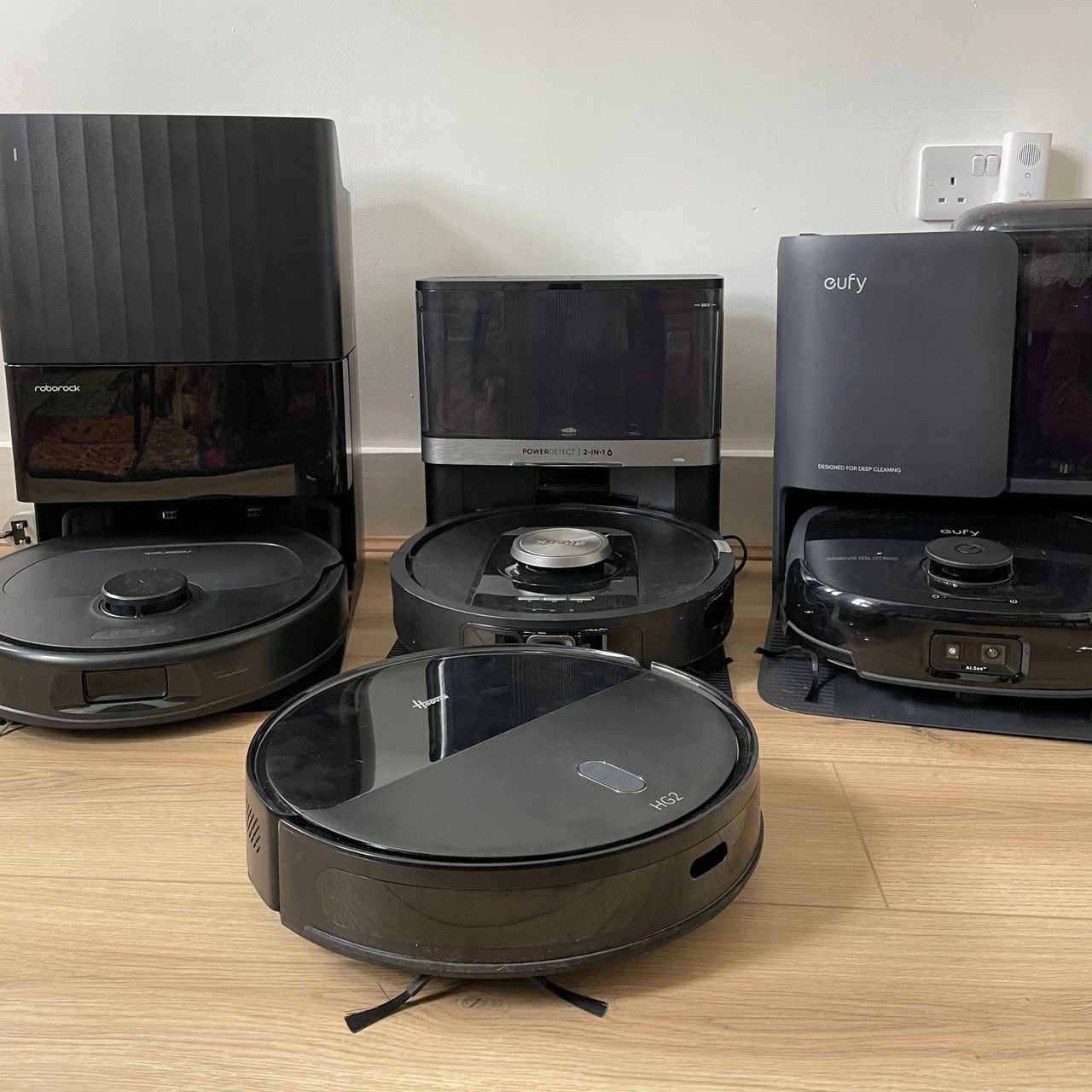
Ever wondered if robot vacuum cleaners are worth it? I don’t blame you. With so many new gadgets and gizmos entering the appliance market, it can be tricky to know if the hype around the best robot vacuum cleaners is real or just, well, hype.
As Ideal Home’s Certified Expert in Vacuums, I’ve spent over 300 hours testing the best vacuum cleaners out there - from corded and cordless models to handheld vacuums for smaller cleaning tasks. But some of my favourite vacuums to test are the hands-free, autonomous robots that can often vacuum AND mop my house at the same time.

But with questions surrounding smart technology and AI heating up, i’m not surprised that you’re second-guessing whether robot vacuums are worth it. So, let me go through the pros and cons with you, as someone who has tested more robot vacs than I can count.
Advantages of robot vacuum cleaners
1. They can save cleaning time
One of the things I wish I knew before buying a robot vacuum cleaner is that they’re generally more than just a vacuum. Most of the models on the market today combine the suction power of a vacuum cleaner with the wet cleaning power of the best mops - which means that this one appliance can take away the physical strain of two different cleaning tasks.
This allows you to use the time you would spend cleaning on things that you actually want to do. This is echoed by Katie Lillywhite, floorcare expert at AO.com, who says, ‘Robot vacuums are a convenient appliance that can elevate your home cleaning without you lifting a finger. You can set yours to run on a schedule, which is ideal for tackling dust and pet hair on any hard floors or carpets.’

2. They’re easy to use
As robot vacuum cleaners use smart technology to work their magic, they’re incredibly easy to use. All you need to do is download an app, press a few buttons to configure your desired cleaning schedule, and let it do the hard work for you. This is especially helpful for older adults or those who struggle with the physical aspects of cleaning.
It’s worth noting that some apps are easier to use than others, though, so it’s well worth reading full reviews before buying a robot vacuum - especially if you’re not very tech-savvy. Others are incredibly easy, and the Shark PowerDetect NeverTouch 2-in-1 Self-Empty & Self-Refill Robot Vacuum & Mop definitely has the most user-friendly app of any robot vacuum cleaner I’ve tested so far.
3. They’re fairly easy to store
Unlike full-size vacuum cleaners, robot vacuums are compact, making them easy to store. This means that you don’t have to worry about them taking up too much valuable space in your house - and there are even handy tricks to help you hide a robot vacuum cleaner so it doesn’t make your home feel cluttered.
Some robot vacuums do have much larger docking stations, though, so it’s always best to check dimensions before buying. If you have a smaller house, the SwitchBot K11+ Robot Vacuum with Mop takes the crown as the world’s smallest robot vacuum cleaner. Alternatively, you could opt for a robot vacuum that doesn’t have an auto-empty dock - like the Hoover HG2 Turbo Slim Hydro Robot Vacuum Cleaner.

4. They’re incredibly advanced
Robot vacuum cleaners have come a long way over the past few years. Long gone are the robot vacuums that used remote controls; now everything is controlled via a smartphone app. The bots are also equipped with a range of technologies, including LiDAR sensors, AI object recognition, voice control, and more.
Not only that, but most models also come with auto-emptying bases, which means they’ll automatically empty their dust compartments after every clean. They can even hold months’ worth of debris before you need to get involved, and robot vacuum mop docking stations also auto-refill water and cleaning solution, too. This all adds to the hands-free convenience.
5. They can tackle hard-to-reach areas
Regular vacuums are ideal for cleaning larger areas, but an underrated advantage of robot vacuum cleaners is that they can tackle hard-to-reach areas that you typically wouldn’t be able to reach without a lot of effort. This can make them an invaluable addition to your cleaning routine.
This is backed up by Katie, who says, ‘Because of their slim design, they’re the opportune appliance to help tackle those hard-to-reach areas like beneath the sofa, furniture or any spots where an upright vacuum might struggle.’

Disadvantages of robot vacuum cleaners
1. They can get stuck
One of the most significant disadvantages of robot vacuum cleaners is that they’re not foolproof. While many are equipped with advanced sensors to detect obstacles and traverse different floor types, they can still occasionally get stuck.
This is particularly noticeable when you choose a cheaper robot vacuum that isn’t as advanced, and you may find yourself having to ‘save’ it every so often - especially if you have a cluttered house and don’t pick things off the floor before it starts cleaning. However, we always test obstacle avoidance as part of our testing process, so you can rest assured that we’ll cover it in our reviews.
2. They probably won’t replace a normal vacuum
As much as I love robot vacuums, there’s no denying that they’re not a one-stop appliance for everyone. They probably won’t ever replace a normal vacuum cleaner, as they just don’t have the scope to clean everything - and you’ll still need a secondary vacuum for more dedicated cleaning tasks, like the stairs or smaller spills.
However, as a robot vacuum cleaner will take a lot of pressure off your cleaning regime, you don’t need to spend a fortune on this other vacuum cleaner. Instead of spending up to £500 on a high-quality, high-powered vacuum, you could opt for a much cheaper, lower-powered model that’ll help when you need it.

3. They can be expensive
Buying a new floor-care appliance will cost a fair amount of money, but a high-quality robot vacuum is undoubtedly a significant investment. Some of the top-rated models I’ve tested retail between £600 and £1000, and some are even more expensive. However, these are top-of-the-range and offer the most advanced technology for that price, making them a worthy investment.
Because of this, the robot vacuum vs vacuum mop debate may be helpful, as you may find that a cheaper vacuum mop will suit you better. Or if you’re not fussed about the latest technology or the most effective cleaning power, it’s still possible to find a robot vacuum cleaner for around £300 if you know where to look.
Our number-one-rated vacuum cleaner delivers 20,000Pa of suction and is the most powerful we've tested to date. It has an auto-empty, auto-refill docking station and comes with a cleaning solution for sparkling floors. Read our full review for more details.
If you want to dip your toes into robot vacuums, this is our best budget model. It doesn't come with a docking station, which means its capacity is limited, but it's extremely affordable and perfect for smaller homes. Read our full review for more details.
Ideal for hard floors, this robot vacuum has rotating mop pads and 10,000Pa of suction power to clean your floors. The app is also incredibly advanced, which allows for a huge amount of customisation to suit your cleaning needs. Read our full review for more details.
FAQs
Are robot vacuums as good as regular vacuums?
Due to their design, robot vacuum cleaners work best when they’re on a flat surface with loose and obvious crumbs or dirt. They're also better equipped to deal with lighter debris, rather than deep cleaning.
Because of this, robot vacuums and regular vacuums tend to serve different purposes. Regular vacuums are used for deeper, weekly cleans, while robot vacuums can offer quick, hands-free cleaning in between.
How do robot vacuums get into corners?
Many modern robot vacuum cleaners come with side brushes that clean corners by sweeping the debris away from the corner and into the path of the bot. These can be incredibly effective in cleaning every inch of a floor, but aren't foolproof.
Alongside this, some more advanced models now come with extendable arms that reach out for improved edge cleaning. This can also help to clean corners.