
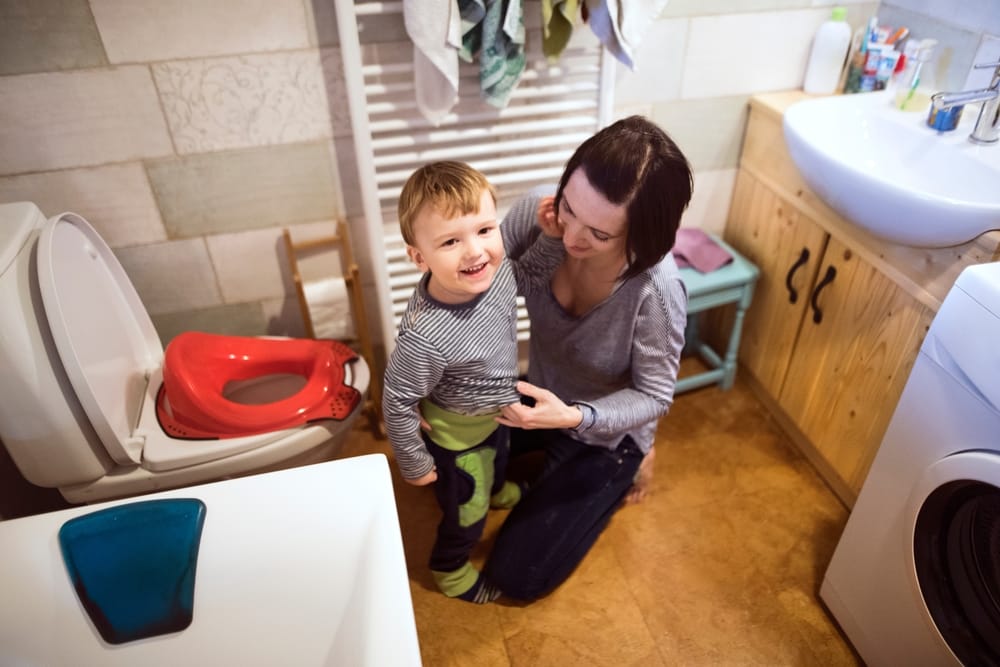
Modern parenting trends have reshaped how we approach nearly every milestone, and that includes potty training. From child-led readiness to tech-based potty gadgets, modern potty training methods promise less stress and more independence. But pediatricians are raising eyebrows, suggesting some new techniques might be backfiring. With delayed training, excessive use of screens, and misinterpreted “gentle” approaches, many doctors are beginning to voice concern about potential health and developmental consequences for children.

1. Why Doctors Are Questioning Modern Potty Training
Pediatricians note a rise in children experiencing bladder and bowel issues due to delayed potty training. Some modern potty-training strategies emphasize waiting until the child is “fully ready,” but readiness cues are often misunderstood. Many kids are now staying in diapers well past age three, which can cause constipation, urinary retention, and emotional stress once they start preschool. Doctors suggest that while a gentle approach is beneficial, too much delay can create physical and emotional setbacks. The balance between encouragement and expectation seems to be slipping in the era of modern potty training.
2. Over-Reliance on Convenience Tools
Modern potty training has become heavily influenced by convenience-based tools, from musical potties to reward apps. While these can make the process fun, doctors caution that they may distract from real bodily awareness. Children who learn to respond only to external rewards or digital cues may struggle to recognize their natural signals. Health professionals recommend limiting gadgets and focusing on body-based communication instead. Building consistency and routine without excessive gimmicks leads to better long-term potty success.
3. Delayed Training Can Lead to Health Problems
Medical experts are linking delayed training to physical complications that were once rare. When children stay in diapers longer, their muscles may not develop strong bladder control as early as expected. Chronic holding can result in urinary tract infections or constipation, issues that often persist into school years. Doctors emphasize that waiting until a child is “emotionally ready” should not mean waiting indefinitely. A structured, supportive approach between ages two and three is typically healthiest for most kids.
4. Misinterpretation of the “Child-Led” Approach
The child-led philosophy, popular in many parenting circles, encourages letting kids set the pace. But pediatricians warn that some parents interpret this too literally, allowing avoidance to replace autonomy. Without gentle guidance and routine, some children never initiate interest until external pressure (like preschool requirements) forces it. Experts agree that child-led doesn’t mean parent-absent—it means parents should coach, not control. The goal is to make modern potty training cooperative, not passive.
5. The Screen-Time Factor in Potty Training
Screens have found their way into nearly every part of childhood, including potty time. Many toddlers now use tablets or smartphones as distractions during potty training, which doctors say can cause more harm than good. Prolonged sitting with screens may extend bathroom time and reduce focus on bodily cues. Pediatricians encourage parents to make potty time short, calm, and interactive without digital entertainment. Teaching awareness and routine builds stronger lifelong habits than relying on screens for cooperation.
6. Emotional Repercussions of Inconsistent Methods
Inconsistent or overly permissive modern potty-training techniques can cause emotional confusion. A child might feel anxious if parents alternate between complete freedom and sudden pressure when school starts. Pediatricians highlight the importance of predictability, patience, and praise. Kids thrive when they know what’s expected, and their emotional development benefits from steady routines. The key is combining empathy with structure, so potty training becomes empowering, not stressful.
7. What Doctors Recommend Instead
Most pediatricians suggest a balanced, age-appropriate potty-training method that mixes readiness with routine. Start early conversations about the potty around age two, letting your child explore the concept without pressure. Gradually introduce scheduled potty breaks, celebrate effort, and avoid punishments or bribery. Consistency and clear communication remain the foundation of healthy training. Above all, remember that modern potty training should support your child’s confidence—not delay their development.
A Healthy Balance Between New Ideas and Timeless Wisdom
Modern parenting encourages flexibility and compassion, but even the best trends need moderation. Doctors aren’t against new tools or child-led techniques—they simply urge parents to blend innovation with common sense. Encouraging independence while maintaining gentle structure ensures children develop both physically and emotionally on track. Potty training isn’t just about milestones—it’s about teaching self-awareness and confidence. When parents strike that balance, kids gain lifelong habits that serve them well beyond the toddler years.
Do you think modern potty training methods help or hinder development? Share your experience and insights in the comments below!
What to Read Next…
6 Unspoken Rules Pediatricians Wish More Parents Followed
10 Pediatric Visits That Leave Parents With Unexpected Bills
Pediatrician Secrets: 8 Dangers Your Pediatrician Won’t Discuss
6 Questions Pediatricians Wish Parents Would Actually Ask
Why Are Pediatric ER Visits Rising for First-Time Parents?
The post Are Modern Potty Training Methods Making Doctors Concerned? appeared first on Kids Ain't Cheap.







