Get all your news in one place.
100's of premium titles.
One app.
Start reading
The Independent UK
The Independent UK
Camilla Foster

Are heatwaves dangerous for older adults? How to stay safe

Older people can have a tougher time dealing with heat and humidity (Alamy/PA) - (Alamy/PA)

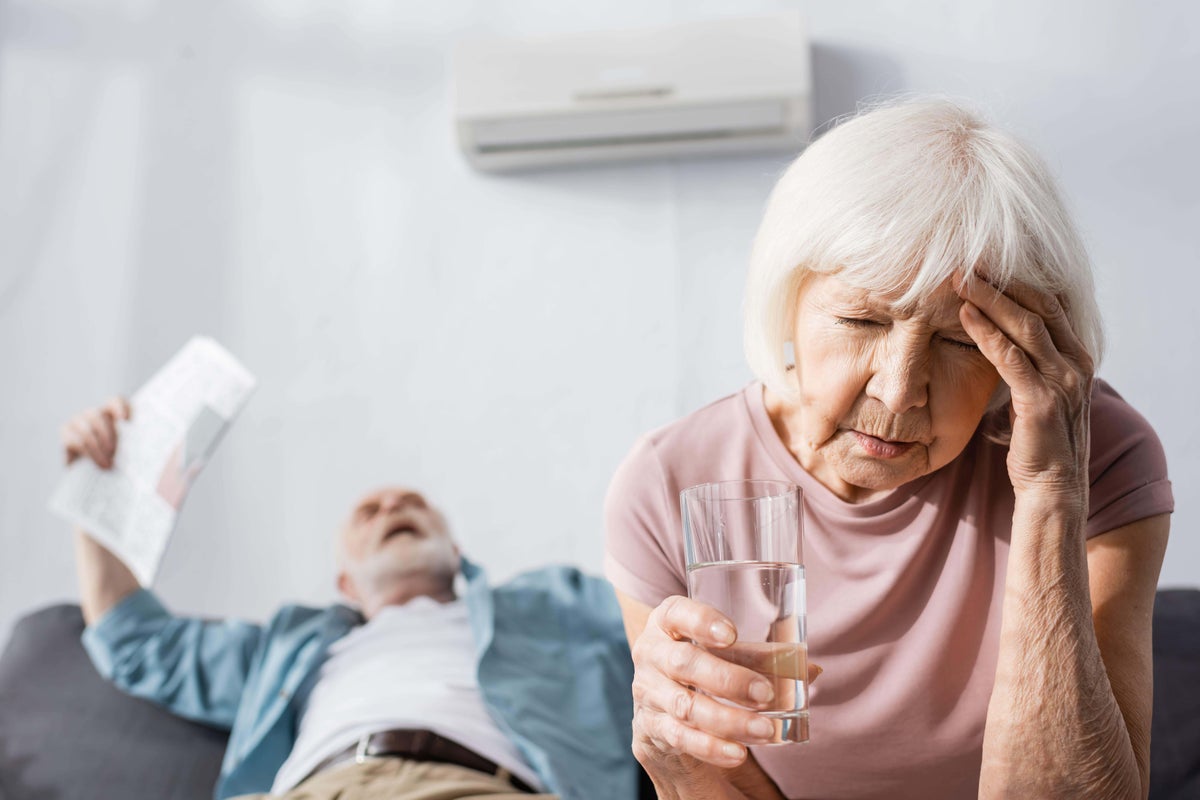
As heatwaves become increasingly frequent, some groups are more vulnerable to its effects than others.

Older adults are often advised to take extra precautions during periods of high temperatures.

Ageing makes it significantly harder for the body to cope with extreme weather, explains Caroline Abrahams, charity director at Age UK.

“As we get older, our bodies become less adaptable to temperature extremes which is why very cold conditions in the winter and very hot weather in the summer can be challenging for many older people,” she says.

“Older adults are much more vulnerable to heat exhaustion and heat stroke, so they are two important things be aware of during a heatwave.”

She adds that many older people live with underlying health conditions that can increase their susceptibility to heat-related illness. “People with heart, lung or kidney problems are especially at risk if they become overheated,” says Abrahams.

Heatwaves can be a stressful time, but the positive news is that there are several steps you can take to lower these risks. Here are some practical tips to help you stay safe during hot weather…

Stay in the shade

Old couple sitting in the shade of a tree reading newspapers (Alamy/PA)

“Try to stay out of the sun and out of direct light as much as possible,” advises Abrahams. “The sun is really strong at the moment, so try to stay in the shade.”

Keep curtains closed during the day

“Close all the blinds and curtains to block out any sunlight that might bring heat into the house during the day, then at night open the windows to let the cooler air in,” recommends Abrahams.

Stay hydrated

(Alamy/PA)
(Alamy/PA)

“Drink lots cold drinks and keep your water topped up throughout the day,” advises Abrahams.

Put a flannel in the freezer

“Put a flannel in the freezer and once it’s really cold put it on the back of your neck,” suggests Abrahams.

Protect yourself with a hat and sunscreen

Wicker hat and sunscreen in bottle against pink backdrop (Alamy/PA)

“If you are planning to go outside, remember to wear a hat and put sunscreen on,” advises Abrahams.

Think about clothing

“Wear thin and ideally light-coloured clothes because dark colours absorb the heat,” says Abrahams.

Avoid going out in the middle of the day

“Try to go out either early on in the day or very late when temperatures should be cooler,” recommends Abrahams.

Take it easy

“Remember that it’s okay to not do much during a heatwave, and it’s a good opportunity to rest and put your feet up,” says Abrahams.

“If you were thinking of clearing out a cupboard this week, don’t do it when it’s really hot. Leave it for a day when it’s cooler.”

Seek advice

(Alamy/PA)
(Alamy/PA)

“If you do start to feel really unwell, seek extra advice and call 111,” advises Abrahams.

“You can also always ring Age UK if you are worried about anything and there are lots of weather-related tips on our website.”

Support from friends, family members and neighbours can also make a huge difference during extreme temperatures.

If you are worried about an older loved one, here are some ways that you can help…

Regularly check in

“Make sure you regularly keep in touch with them on the phone and just keep checking in to make sure they are okay,” advises Abrahams.

Offer to run errands for them

Woman delivering wicker bag of groceries to a man at doorstep

“If they live nearby, offering to do things like picking up groceries or prescriptions, so they don’t have to go out themselves, might be very gratefully received,” says Abrahams.

Help them stay cool

“You could loan them a fan if you’ve got a one going spare, or could invite them to your house for a bit if your house is cooler,” recommends Abrahams.

Look out for symptoms of heat stroke

(Alamy/PA)
(Alamy/PA)

People experiencing heat-related illnesses often become confused or dizzy, making it difficult for them to realise they are overheating, so looking out for one another is critical to catching and stopping a medical emergency.

Symptoms of heatstroke include a very high temperature, hot skin without sweating, fast breathing and a fast heartbeat, confusion and restlessness, seizure (fit), loss of consciousness, according to the NHS website.

Heatstroke is a medical emergency, so get immediate medical help if someone is displaying these symptoms.

Offer reassurance

“Just knowing someone is thinking about you can really help, so offering reassurance can go a long way,” says Abrahams.

Older people looking for further advice can call Age UK’s free Advice Line, which is open 365 days a year, from 8am-7pm on 0800 678 1602, or visit ageuk.org.uk.

Sign up to read this article
Read news from 100's of titles, curated specifically for you.
Already a member? Sign in here
Related Stories
Top stories on inkl right now
One subscription that gives you access to news from hundreds of sites
Already a member? Sign in here
Our Picks
Fourteen days free
Download the app
One app. One membership.
100+ trusted global sources.