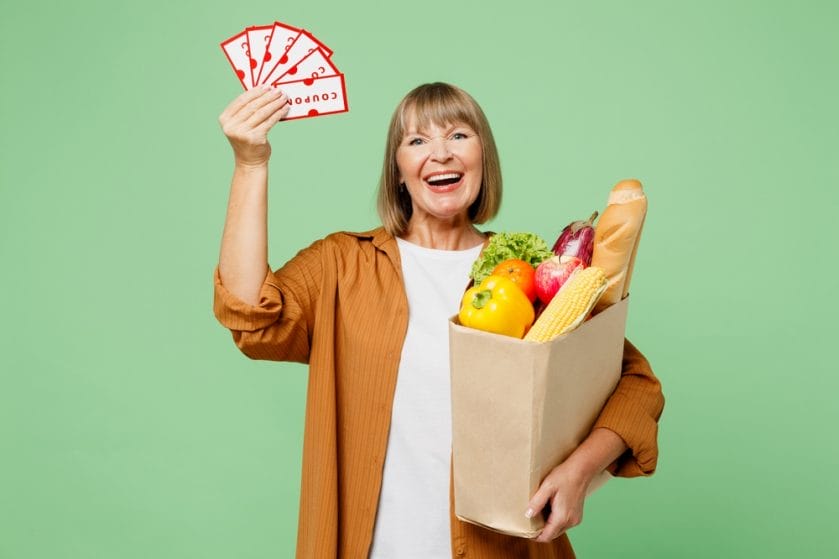
Seeing a coupon stack drop the price to zero feels like winning a tiny lottery in aisle five. It’s exciting, it’s shareable, and it makes you feel like you just outsmarted the system. But “free” can get weird fast when it pulls you toward brands you don’t like, sizes you don’t need, or food your household won’t actually eat.
The real question isn’t whether free grocery items are a good deal, but whether they’re a good deal for you after you factor in storage space, future waste, and what you didn’t buy because your cart got full. If you’ve ever brought home a “free” product that sat untouched until it expired, you already know the catch. Here’s how to decide when a heavy coupon truly saves money and when it’s just adding clutter.
What “Free” Really Means At The Register
Most “free” deals aren’t magic, they’re math tied to store rules, item limits, and specific product requirements. You might need to buy multiple items, hit a minimum spend, or choose a particular size to make the coupon work.
Sometimes the coupon covers the item price but not the tax, deposit, or environmental fee, so it isn’t literally zero out of pocket. Store apps can also apply discounts in a different order than you expect, which can change the final outcome. Before you chase free items, check the fine print and confirm what you’ll actually pay at checkout.
When Free Grocery Items Are Absolutely Worth It
Free is worth it when the item replaces something you already buy and use consistently. Pantry staples like pasta, canned tomatoes, broth, oats, or rice become easy wins because you’ll use them even if the brand isn’t your favorite.
Household basics like toothpaste, soap, and paper goods also tend to “store well,” so you’re less likely to waste them. In these cases, free grocery items reduce your normal spending without changing your routine. The best free deals feel boring after a while because they simply lower your budget.
When “Free” Turns Into Expensive Waste
A deal stops being a deal when it creates waste, and waste has a price even if the register says $0. If you bring home food no one likes, it’ll sit until it expires, and then you’ve paid in wasted space and lost focus.
Freezer items can be tricky too, because limited freezer room means your “free” pizza might push out the chicken you actually planned to cook. Specialty ingredients often fall into this trap because you need a whole recipe plan to use them. If you can’t name the exact meal where you’ll use the free grocery items, the deal is already wobbling.
The Hidden Costs: Time, Gas, And Mental Energy
Couponing doesn’t just cost money, it costs effort, and that effort adds up. If you drive to three stores for one “freebie” each, you’re trading time and gas for products you may not even value.
There’s also the mental load of tracking offers, watching expiration dates, and organizing stockpiles. For some shoppers, that hobby is fun and relaxing, but for others it creates stress and clutter. If chasing free grocery items makes your shopping harder, your savings might not be worth the trade.
The Best Filters For Deciding In 30 Seconds
A quick filter keeps you from getting swept up by the thrill of a zero-dollar tag. First, ask: “Would I buy this at full price?” because that reveals whether it’s a real need or just a dopamine hit. Next, ask:
“Do I have a place to store it properly?” because improper storage turns savings into spoilage. Then ask: “Will I use it before it expires?” because a free product that goes bad is still a loss. If you can answer yes to all three, free grocery items usually make sense.
How To Make Free Items Work Harder For Your Budget
If you love freebies but want less clutter, build a “use-first” plan. Put free items in a visible spot and plan meals around them before you shop again. Rotate stock so the oldest items get used first, and keep a small list on your phone of what you already have.
If you get a free product you’re unsure about, test it fast while you can still pivot, and don’t grab multiples until you know you like it. Free grocery items save the most when they change what you buy next week, not when they sit in a pile.
When To Skip The Deal Even If It’s Technically Free
Some free deals are designed to move new products, not to match your household needs. If the item is sugary snacks you’re trying to avoid, “free” may undermine your goals and cause more spending later.
When it’s a niche flavor or a complicated prep item, it can become a guilt product that lingers for months. If the coupon requires buying multiple items that aren’t free, your net total may be higher than your usual shopping trip. In those cases, skip the free grocery items and wait for a deal that fits your real life.
The “Free” Strategy That Saves Money Without Regret
The smartest couponers treat “free” like a bonus, not a shopping plan. They grab free grocery items only when those items replace something already on the list, store well, and won’t crowd out better purchases.
They also set limits so the cart stays focused and the pantry stays usable. If you keep your freebies aligned with your household habits, “free” becomes a tool for shrinking your bill instead of growing your clutter. The goal is a pantry that supports your meals, not a trophy shelf for coupons.
What’s the most useful “free” item you’ve ever scored with coupons—and what freebie ended up being a total waste?
What to Read Next…
Are Paper Coupons Making a Comeback?
Free Grocery Pickup for Large Orders Is Returning
How to Build a Zero-Waste Grocery List That Saves Money
Why More Retailers Are Installing Digital Coupon Kiosks This Season
How to Use Loyalty Points to Get Free Items This Winter
The post Are “Free Grocery Items” Worth Buying With Heavy Coupons? appeared first on Grocery Coupon Guide.