
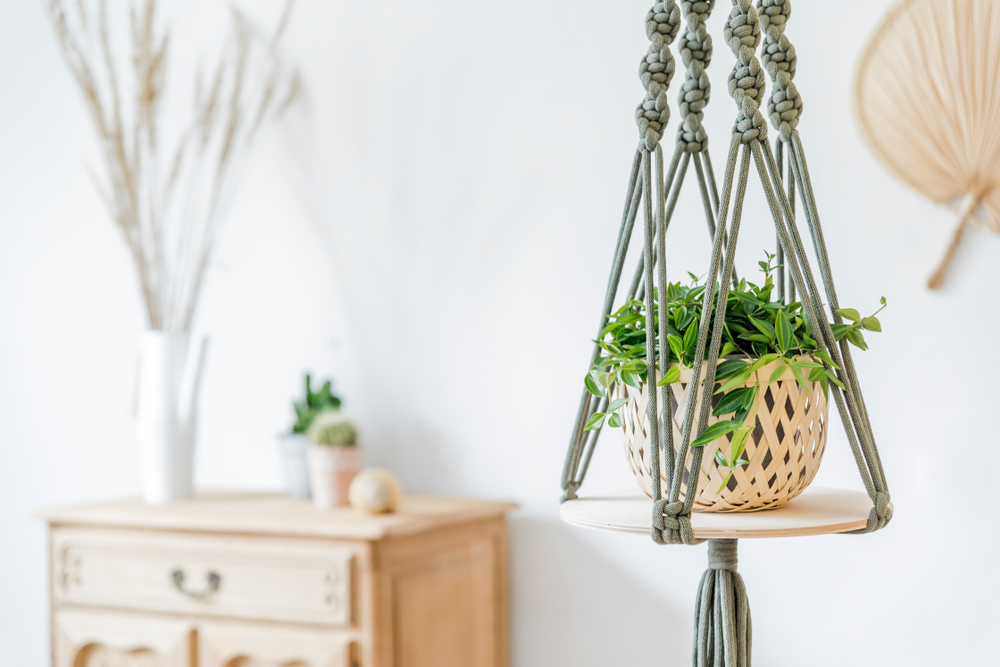
Plant lovers, get ready to have your green thumbs tingling! From sleek ceramic pots to hefty stone planters, the world of plant containers is brimming with eye-catching options that can make any living room feel like a jungle paradise.
But before you splurge on a $200 planter, ask yourself: are expensive pots actually better for your leafy friends, or is it just style over substance? With a mix of science, horticulture, and a little home-decor magic, we’re digging into the truth behind pricey planters. Get ready, because your next plant shopping spree might never look the same.
Material Matters More Than Price
When it comes to planters, material can be more important than price. Terracotta, ceramic, plastic, and metal all offer unique benefits and drawbacks for plant health. Terracotta is porous, letting roots breathe and preventing waterlogging, which is great for succulents. Plastic, on the other hand, is lightweight and retains moisture well, which works for tropical plants. Expensive doesn’t always mean healthier—sometimes it just means heavier and harder to move.
Drainage Is The Real Hero
Even the priciest planter can fail if it lacks proper drainage. Plants need well-draining soil to prevent root rot and ensure nutrient absorption. Holes at the bottom of the pot help excess water escape, keeping roots happy and healthy. Some high-end planters come with built-in drainage systems, but you can also drill holes into budget-friendly pots. Remember, a planter that looks stunning but keeps roots swimming is doing more harm than good.
Size Really Does Matter
Choosing the right size planter can feel like Goldilocks-level tricky. Too small, and roots get cramped, stunting growth; too large, and water sits in the soil too long, causing rot. Experts recommend picking a pot slightly bigger than the root ball to allow growth without overwhelming the plant. Even inexpensive planters can hit the sweet spot if you measure correctly. Ultimately, size compatibility matters far more than whether the planter is designer or discount.
Weight And Stability Count
A heavy planter can seem luxurious, but weight isn’t just about aesthetics—it affects stability and safety. Tall plants in lightweight pots can tip over, damaging both plant and furniture. Materials like concrete or stone are heavy and secure but hard to move, which might frustrate seasonal gardeners. Lighter options like plastic are versatile but may need added support. Balancing weight with practicality ensures your plants thrive without taking a tumble.
Temperature And Root Health
Planter material affects temperature regulation, which is crucial for delicate roots. Metal and thin ceramic pots can heat up quickly in direct sunlight, potentially stressing roots. Terracotta and stone stay cooler, protecting plants in warmer climates. Even indoor plants benefit from stable temperatures, so consider where the planter will live. Expensive doesn’t automatically mean thermally safe—sometimes simple materials are best.
Porosity And Water Retention
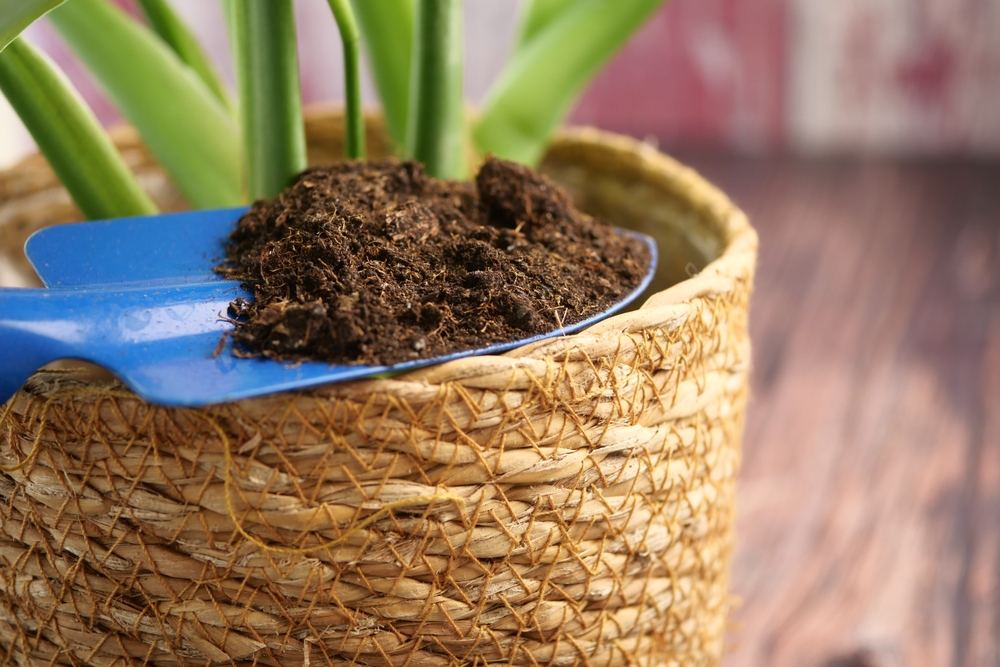
Porosity is the unsung hero of planter functionality. Materials like terracotta allow air and moisture to pass, preventing overwatering problems. Glazed ceramic retains moisture, which is ideal for water-loving species like ferns. Plastic pots hold moisture well but don’t allow roots to “breathe” as effectively. Understanding porosity helps you match planter type with plant needs, regardless of price.
Design Should Complement Plant Needs
A gorgeous planter might be a statement piece, but its design should support growth. Some designer pots have elaborate shapes that trap water or limit root space. Simple, functional designs often outperform complex ones in terms of plant health. Even the most Instagram-worthy pot can backfire if roots can’t expand naturally. Style is fun, but functionality is what keeps leaves lush and vibrant.
Cost Versus Value
Price tags can be deceiving in the planter world. A $150 planter might impress guests, but a $10 pot with proper drainage and size might make your plant flourish more. Expensive planters often come with durability, aesthetics, or brand prestige rather than superior plant benefits. Assess what really matters: will the pot improve your plant’s growth, or just your living room décor? Smart investment is about balancing form, function, and budget.
Common Misconceptions
There are plenty of myths around pricey planters and plant health. One common belief is that heavy ceramic or stone automatically equals healthier plants. Another is that clear containers or unusual shapes enhance growth—often, they just look cool. Research and experience show that drainage, material compatibility, size, and care matter far more. Don’t let marketing sway you; plants thrive on proper conditions, not just price tags.
Tips For Maximizing Any Planter
No matter the price, you can make any planter work beautifully. Start with high-quality potting soil and appropriate watering practices. Elevate pots with small stands to improve drainage and airflow. Rotate plants regularly for balanced sunlight exposure. Adding mulch or small stones can reduce surface drying or soil compaction. With attention to detail, even the cheapest planter can produce stunning results.
Your Plants, Your Rules
Expensive planters may look fancy, but plant health doesn’t follow price tags—it follows care, size, drainage, and material choice. Affordable options often provide everything plants need to thrive while saving your budget for soil, fertilizer, or fun accessories. Experimentation is key: try different pots, observe your plant’s response, and adjust accordingly. Gardeners of all levels can succeed with the right tools and a little attention.
Let us know your thoughts or experiences with pricey versus budget-friendly planters in the comments below—we love reading your insights and stories!
You May Also Like…
Electroculture Gardening: Innovative Techniques for Enhancing Plant Growth
10 Houseplants That Clean the Air Better Than Purifiers
7 Holiday-Themed Planters to Make Your Garden Festive in December
9 Gardening Supplies You Should Buy Before Spring Prices Rise
9 Plants That Attract Beneficial Insects Even in Cold Weather
The post Are Expensive Planters Really Better for Plant Health? appeared first on Frugal Gardening.