
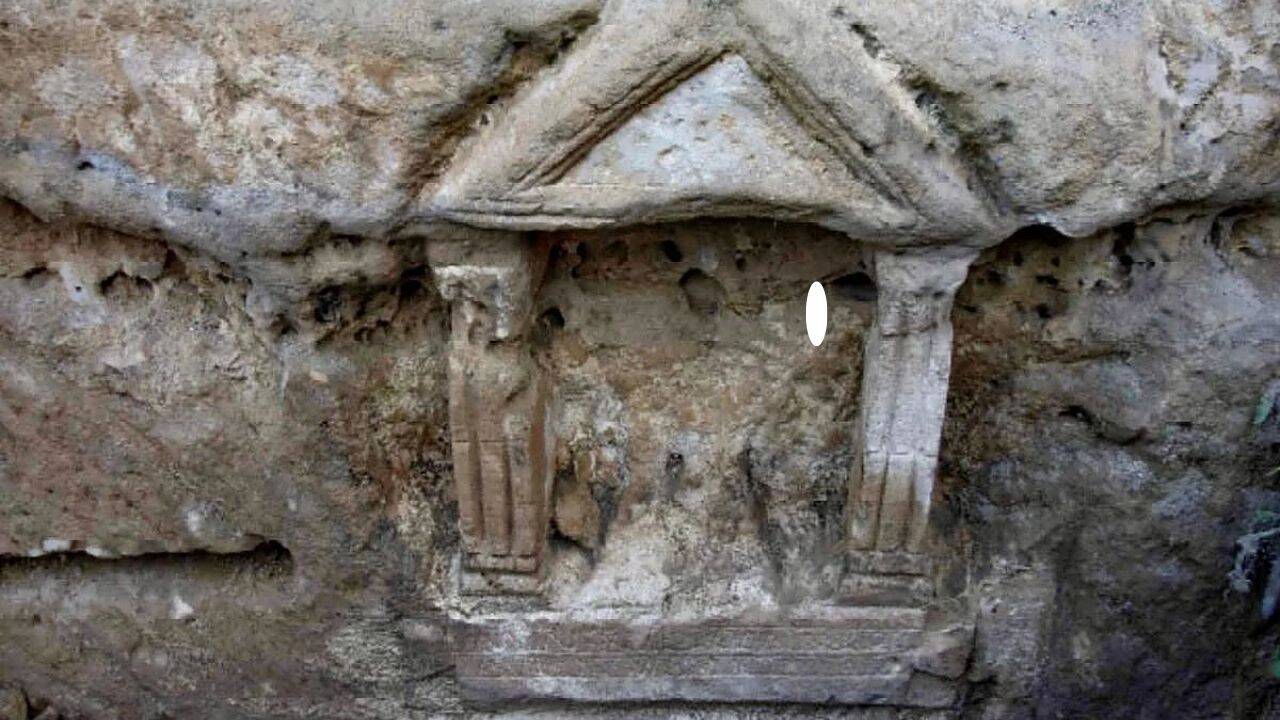
A small rock-cut sanctuary dedicated to Minerva has been identified in an ancient Roman quarry near Carrascosa del Campo in the Spanish province of Cuenca, offering a rare glimpse into how religion intersected with working life in Roman Hispania.
Set within a landscape once famous for producing lapis specularis, a translucent gypsum prized throughout the Roman Empire, the shrine stands as an unexpected reminder that quarries were not solely places of extraction. They could also become places of worship, where labour, belief and local identity met in the same physical space. The discovery sheds new light on the daily lives of Roman quarry workers, suggesting that spiritual practices formed an important part of industrial landscapes as well as urban centres and temples. Archaeologists believe the sanctuary may have provided a place for workers to seek protection, express gratitude or perform rituals, illustrating how religious devotion was woven into ordinary working life across the Roman world.












