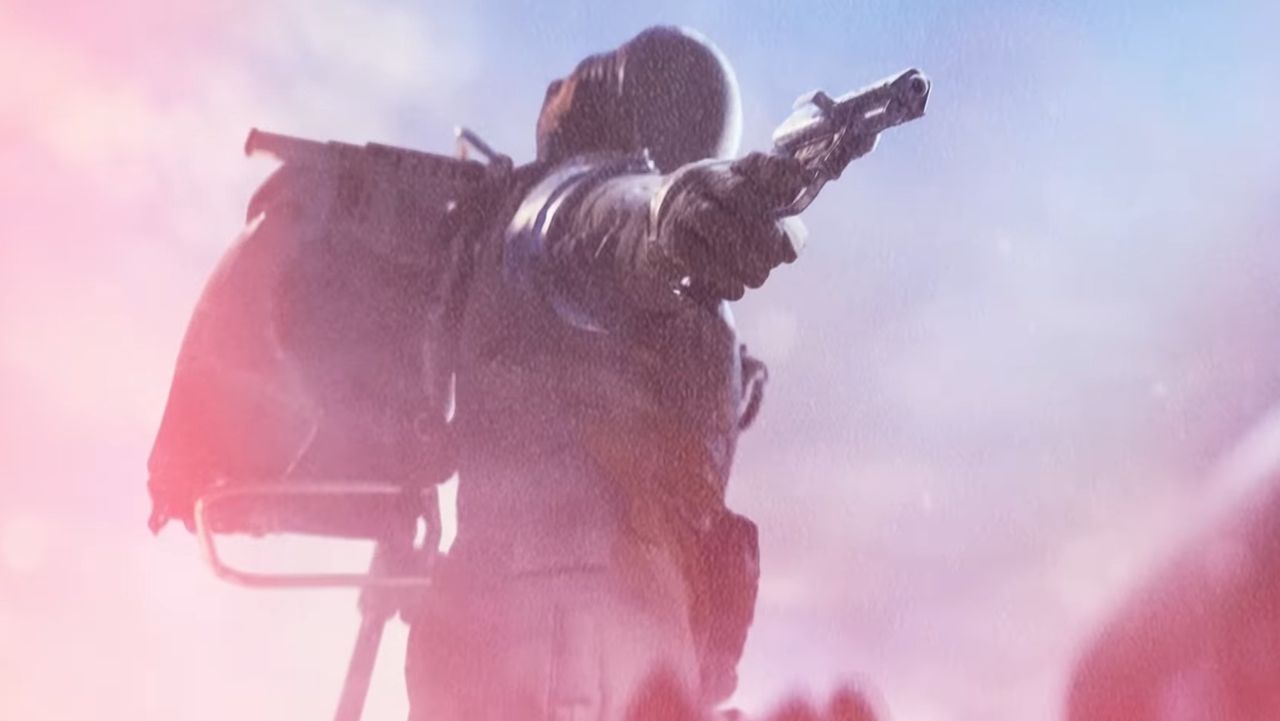
Arc Raiders developer Embark Studios tries to embrace creative independence as long as the team and project can collectively stay on track, often receiving and integrating solutions or ideas crafted by individual developers who had a point to make. Arc Raiders production director Caio Braga discusses this approach at GDC in a panel and in an interview with GamesRadar+, and it turns out we can thank some individual folks at Embark for some key chunks of the hit extraction shooter.
In his panel, Braga discusses Arc Raiders' long and messy development, which endured multiple reboots and pivots across seven years. Guns were among the many things in flux, though core design pillars of immersion and accessibility made some weapon qualities seem immovable. At one point, the way guns are reloaded became a point of contention, and a single "guerrilla" designer came up with his own solution.
Braga explains that there was a push to remove auto-reloading on guns to make Arc Raiders more immersive, but the accessibility team insisted this was madness. Gamers are too used to auto-reloads, you see.
"One of our animators working on AI, basically the enemies, he took this a little bit too personal, because he hated to manual reload," Braga says. "He said, 'I'm dying all the time because of this, so I'm going to propose a solution.' He implemented it himself. He said, 'I think I can do better than that, and I can make it be about choice, and make it immersive, and have some accessibility to it.'
"He made it so that if you press [reload], you have a faster reload. If you reach the end of your magazine, it jams. It's a bit clunky, but it does it for you at a slower pace," Braga summarizes.

This reload system met the immersive and accessible pillars, so it was brought forward. "We do that all the time," Braga tells me after his panel. "Some places call that guerilla dev, when someone is not asked to do a solution and they're doing it anyway. We try to welcome that at Embark quite a lot. I believe, in production, that if you have those pillars and the team really understands them, they can provide better solutions than we can. And allowing for people that are not involved in a certain solution to participate creates this kind of solution. So it is something we really, really enjoy."
The reload overhaul is just one example of a guerilla solution, Braga notes. The Leaper design, for instance, was reworked after the machine learning team finally cracked movement mechanics only to find that the once-bulky Leaper looked a little odd carefully toeing around. Luckily, one artist said, "'The problem is not the machine learning, it's not the animation, it's not locomotion, it's just the anatomy is not right for this gait,'" Braga explains. "And then he went and did the new Leaper that most people know, the first version that got iterated after."
Some weapons, like the Kettle, were also cooked up individually. "We talked a lot about how we need something that is more Arc Raiders, that is very makeshift, and left it at that level for the team" Braga says. "We tried a few things. Why not a pressure gun? It came up from a developer just experimenting. There's a few of those [ideas] that come up quite often. And we kill a bunch, which is good, actually, in game dev."