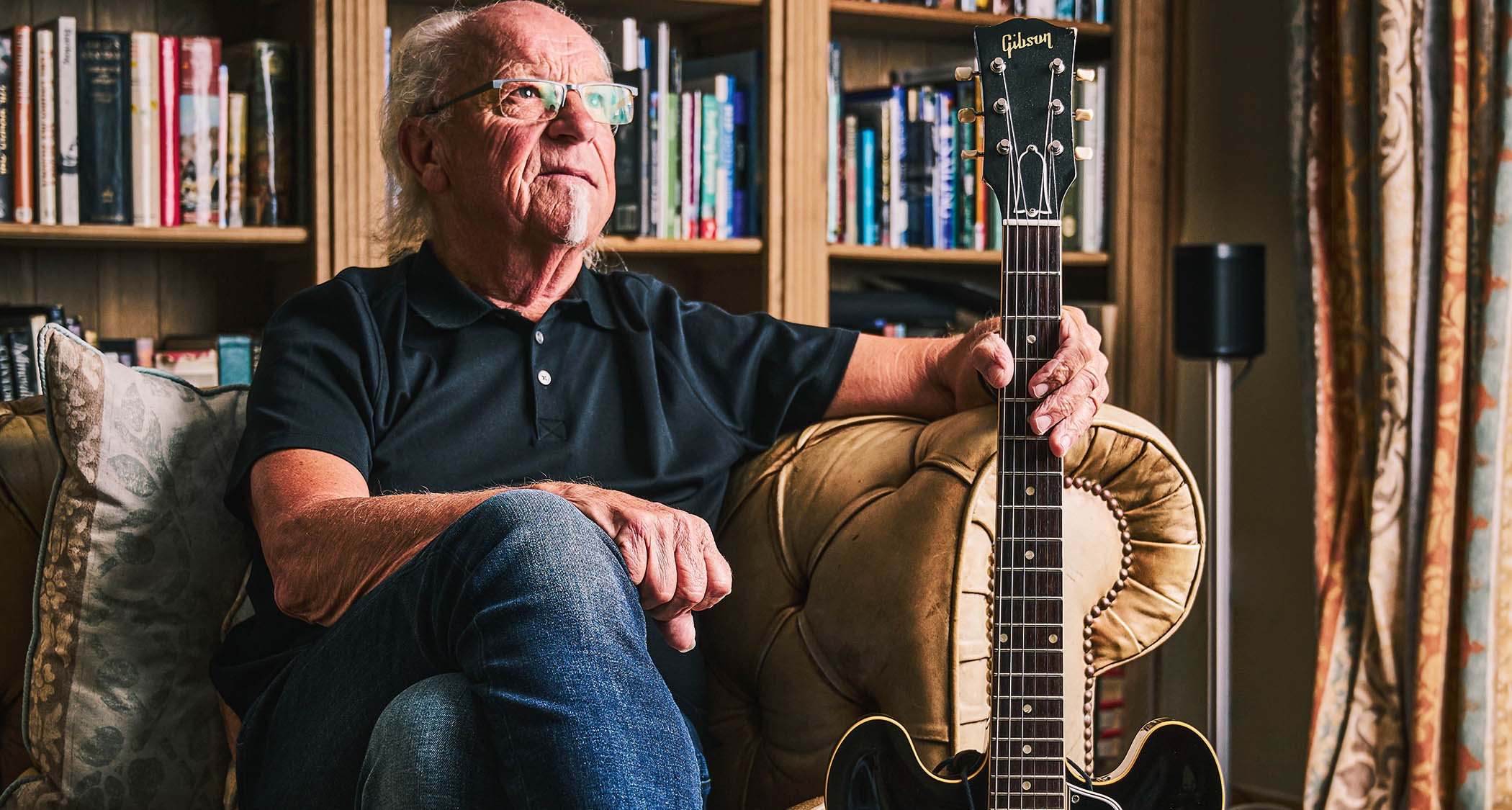
As Martin Barre reflects with a wry smile, the late ’60s were a glorious time to be a square peg. Formed in Blackpool as reluctant blues-boomers, under the de facto leadership of frontman Ian Anderson, Jethro Tull soon outgrew those roots, turning heads across London with their splice of classical, folk and chirruping flute.
Defying both the strictures of genre and the pleas of their record label, by 1971 the band had released Aqualung, the classic fourth album that stands as a monument to a time when artists, not their paymasters, held the creative reins.












