
Apple’s long-running legal dispute with Masimo over the blood oxygen feature in its smartwatches has taken another turn, following a new ruling from a US trade judge.
Masimo previously secured a decision that Apple had infringed its pulse oximetry patents, which led to an import ban on certain Apple Watch models in the US.

In its case, Masimo claims Apple used its patented blood oxygen monitoring technology without permission.
The company says Apple hired away key staff, gained access to their expertise, and then built similar pulse oximetry features into the Apple Watch, leading to the original infringement ruling.
What blood oxygen monitoring actually does
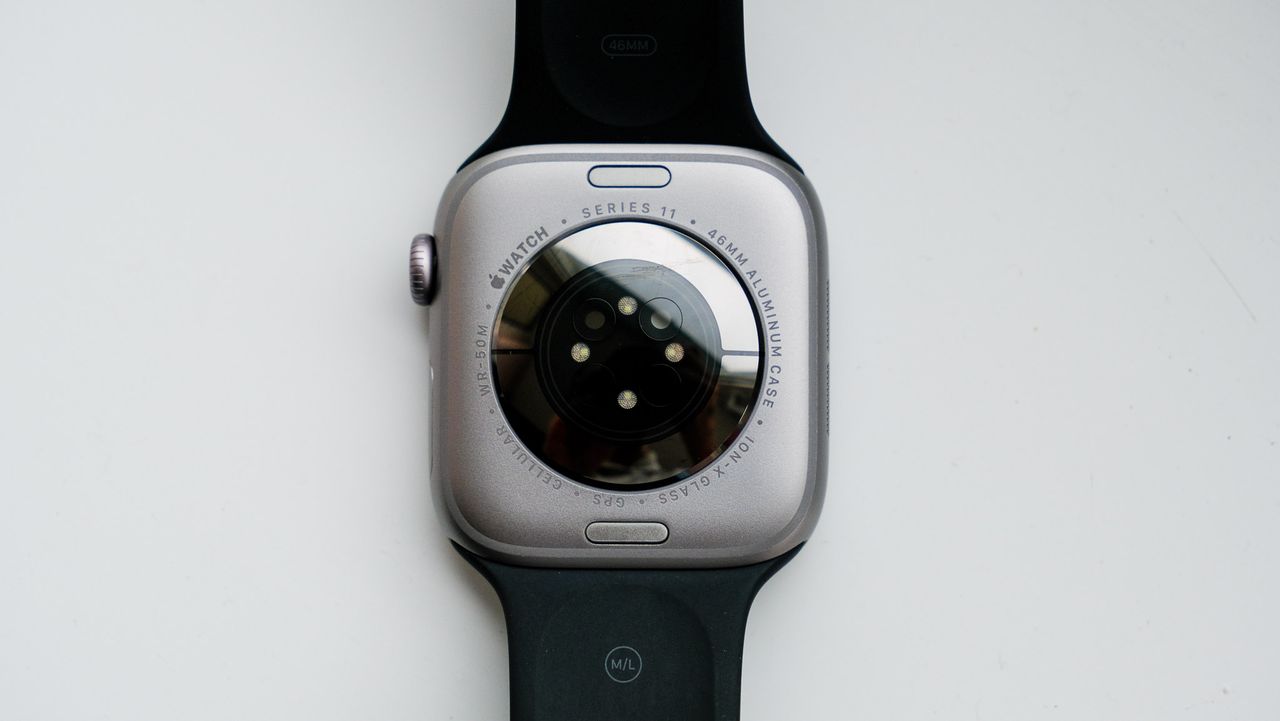
Blood oxygen monitoring on smartwatches uses optical sensors to estimate how much oxygen is carried in the blood.
The device shines light into the skin and measures how it is absorbed to calculate SpO2 levels, offering a general indicator of respiratory and overall health.
Apple quickly introduced a workaround and has continued selling its smartwatches in the US.

The company adjusted how the feature works by shifting some data processing from the wearable itself to a paired iPhone.
The latest ruling says that this updated implementation does not infringe Masimo’s patents.
That change allowed Apple to reintroduce the feature while the legal process continued.
Legal victory for Masimo, practical win for Apple
It is worth noting that the earlier finding of infringement has not been overturned.
Masimo retains its original win, and separate proceedings have also resulted in the award of financial damages.
However, the latest decision limits the practical impact of those outcomes on Apple’s current products.
The ruling means Apple can continue selling watches with the revised feature in place.
For consumers, this maintains access to blood oxygen tracking, although the way the data is handled differs from earlier versions of the feature.
The case remains ongoing, with further appeals and decisions expected.
For now, the latest development suggests that while the legal dispute is unresolved, Apple’s changes have addressed the specific issue at the centre of the import ban.