Get all your news in one place.
100's of premium titles.
One app.
Start reading
International Business Times UK
World
Seneca Cabrera

Apple Price Hike Hits MacBooks and iPads With Increases of Up to $300 as AI Boom Drives Costs Higher

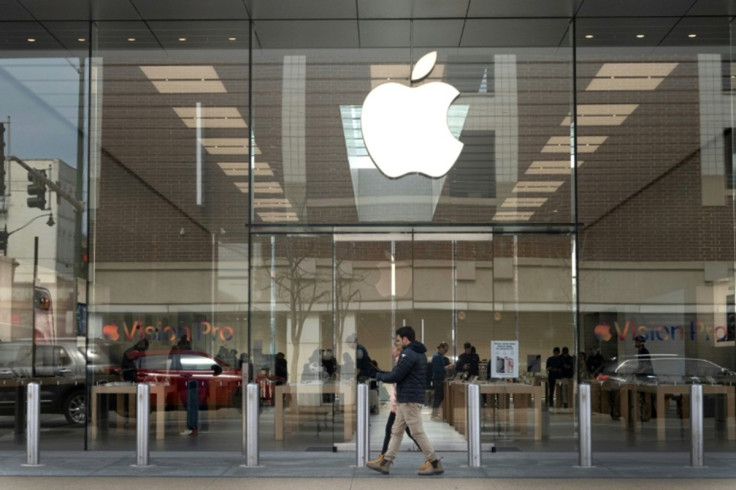
Apple increased product prices because of AI driving up the costs of processing chips. (Credit: AFP News)

Apple has increased the prices of several MacBook and iPad models, with some devices rising by as much as $300 in the United States and up to £300 in the UK after warning that rising memory and storage costs linked to the artificial intelligence boom had become too expensive to absorb.

The new prices apply immediately across selected MacBook and iPad models in the UK and overseas. Apple said soaring demand for memory chips used in AI data centres had driven up manufacturing costs after the company spent the previous three quarters absorbing those increases instead of passing them on to customers.

The announcement follows comments made by chief executive Tim Cook last week, when he warned that surging semiconductor costs meant price increases had become increasingly difficult to avoid. Apple also suggested Thursday's changes may not be the last, saying it had reached the point where it needed to 'begin raising prices' on a number of products.

MacBook and iPad Prices Increase

Among the biggest UK price changes, the entry-level MacBook Neo has increased from £599 to £699, while the 512GB MacBook Air now starts at £1,299 instead of £1,099. The 1TB MacBook Pro has risen from £1,699 to £1,999.

Apple has also increased the price of its iPad range. The 128GB iPad Air now starts at £749, up from £599, while the 256GB iPad Pro has increased from £999 to £1,199. In the United States, the same products have risen by between $100 and $300 depending on the model, with the largest increases affecting higher-capacity MacBook Pro and iPad Pro configurations.

Apple's online store was briefly unavailable while the updated prices were being rolled out.

Apple Blames AI Memory Demand

Apple said the rapid expansion of AI data centres had sharply increased global demand for memory and storage components, making them more expensive for consumer electronics manufacturers. The company said it absorbed those higher costs for the previous three quarters before deciding retail price increases had become unavoidable.

Speaking to The Wall Street Journal last week, chief executive Tim Cook described the semiconductor market as a 'hundred-year flood', saying he had never seen component prices rise so quickly during more than four decades in the technology industry. Counterpoint Research said suppliers had redirected production towards AI servers over the past three quarters, driving memory prices sharply higher.

More Apple Products Could Follow

The latest increases do not affect the iPhone, Apple Watch or AirPods. However, Apple's statement that it was only 'beginning' to raise prices has led analysts to suggest additional products could become more expensive if memory costs remain elevated.

Counterpoint Research estimates higher memory prices could eventually add around £150 to £200 to the manufacturing cost of future iPhone models, particularly those expected to include more memory for Apple Intelligence features. Apple has also been moving customers towards devices with more memory by removing lower-specification configurations, while newer Apple Intelligence features require increased RAM to run on-device.

Apple has not announced further price increases beyond the current MacBook and iPad changes. However, its statement indicates additional products could become more expensive if pressure on global memory and storage supplies continues.

Sign up to read this article
Read news from 100's of titles, curated specifically for you.
Already a member? Sign in here
Related Stories
Top stories on inkl right now
One subscription that gives you access to news from hundreds of sites
Already a member? Sign in here
Our Picks
Fourteen days free
Download the app
One app. One membership.
100+ trusted global sources.